

DIY Home Repairs: A Beginner's Guide to Getting Started
As a homeowner, there's nothing quite like the sense of accomplishment that comes with completing a DIY home repair project. Not only do you save money on labor costs, but you also get to learn new skills and develop a deeper understanding of your home's inner workings. However, for many of us, the thought of tackling a DIY project can be daunting, especially if we're new to home repairs. In this article, I'll share my expertise and provide a comprehensive guide to help you get started with DIY home repairs.
Assessing Your Needs
Before you begin, it's essential to assess your home's needs. Take a walk around your property and make a note of any areas that require attention. Are there leaky faucets or creaky doors? Are your windows drafty or your floors uneven? Make a list of the repairs you need to make and prioritize them based on urgency and importance. This will help you focus on the most critical repairs first and ensure that you're using your time and resources efficiently. For more complex projects, such as replacing windows and doors, it's essential to consider the long-term benefits and costs.
Basic Tools and Safety Precautions
Once you've identified the repairs you need to make, it's time to gather your tools. As a beginner, you don't need to invest in a comprehensive toolkit, but you should have the basics covered. This includes a hammer, screwdrivers, pliers, and a tape measure. It's also essential to take safety precautions seriously. Always wear protective gear, such as gloves and safety glasses, and ensure that you're working in a well-ventilated area. For electrical repairs, it's crucial to follow electrical safety guidelines to avoid accidents and ensure your safety.
Common DIY Repairs
Some of the most common DIY repairs include fixing leaky faucets, replacing light fixtures, and patching holes in walls. These repairs are relatively simple and require minimal tools and expertise. For example, fixing a leaky faucet typically involves replacing a worn-out O-ring or gasket. This is a simple repair that can be completed in under an hour and requires minimal tools. Other common repairs include restoring hardwood floors and caulking windows.
Advanced DIY Repairs
While some DIY repairs are relatively simple, others require more expertise and specialized tools. For example, if you're looking to install a new roof or renovate a bathroom, you may need to hire a professional or seek guidance from an experienced contractor. However, with the right tools and expertise, you can tackle more complex repairs, such as installing new flooring or building a deck. When working on advanced DIY projects, it's essential to follow general contracting principles to ensure that your project is completed safely and efficiently.
Additional Tips and Resources
In addition to the tips and resources provided in this article, there are many other online resources and DIY communities that can help you learn new skills and stay up-to-date with the latest trends and techniques. Some popular resources include YouTube tutorials, DIY blogs, and online forums. When working on DIY projects, it's essential to be patient, persistent, and willing to learn. Don't be afraid to ask for help or seek guidance from experienced professionals.
Conclusion
In conclusion, DIY home repairs can be a fun and rewarding experience, but they require careful planning, attention to detail, and a willingness to learn. By following the tips and resources provided in this article, you can get started with DIY home repairs and develop the skills and confidence you need to tackle more complex projects. Remember to always take safety precautions seriously and seek guidance from experienced professionals when needed.
Final Thoughts
As a homeowner, it's essential to be proactive and address repairs as they arise. By doing so, you can prevent more significant problems from developing and ensure that your home remains safe and secure. Whether you're a seasoned DIY expert or just starting out, I hope that this article has provided you with the information and inspiration you need to get started with DIY home repairs.
Additional Considerations
When working on DIY projects, it's essential to consider the long-term benefits and costs. For example, while a DIY project may save you money upfront, it may also require more time and effort in the long run. Additionally, some DIY projects may require specialized tools or expertise, which can add to the overall cost. By carefully considering these factors, you can make informed decisions and ensure that your DIY projects are both successful and cost-effective.
Getting Started Today
If you're ready to get started with DIY home repairs, here are some final tips to keep in mind:
- Start small and focus on simple repairs
- Invest in basic tools and safety gear
- Seek guidance from experienced professionals when needed
- Be patient, persistent, and willing to learn
By following these tips and staying committed to your DIY projects, you can develop the skills and confidence you need to tackle more complex repairs and achieve your home repair goals.

Kelly Reynolds is a dynamic freelance writer hailing from the picturesque landscapes of Alberta. A master of the written word, she juggles her passion for storytelling with the exhilarating chaos of being a mother to five spirited children. With an impressive portfolio that spans various genres, Kelly captivates readers through her engaging blog posts and thought-provoking articles.
Related Posts
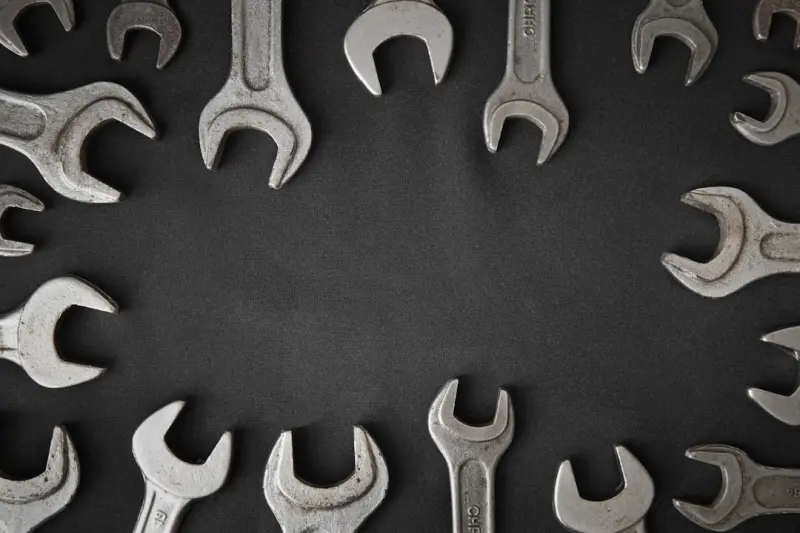
Everyday Tools That Turn Small Repairs into Big Savings
Learn how a well‑stocked toolbox, smart diagnosis, and easy repair tricks can turn everyday home i... Read More
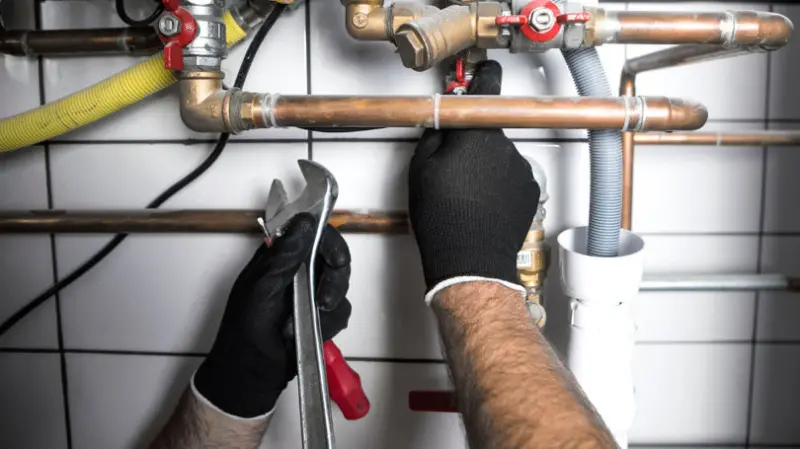
DIY Home Repairs: A Year‑Long Preventive Maintenance Blueprint
Learn how to create a practical, year‑long preventive maintenance schedule that saves money, avoid... Read More

Patch Perfect: A DIY Guide to Flawless Drywall Repair
A comprehensive, step‑by‑step guide to repairing all types of drywall damage—from tiny cracks ... Read More
Top Posts

Redefining Home Security: How Integrated Alarm Systems Become Strategic Assets
A deep dive into why today’s home alarm systems are more than deterrents—covering data‑driven threat detection, seamless IoT integration, edge computing, ...Read More

Pocket Gardens: Turning Forgotten Corners into Lush Urban Oases
Discover the art of pocket gardens—small, affordable green spaces that turn under‑used nooks into vibrant, mood‑enhancing oases, adding both beauty and va...Read More
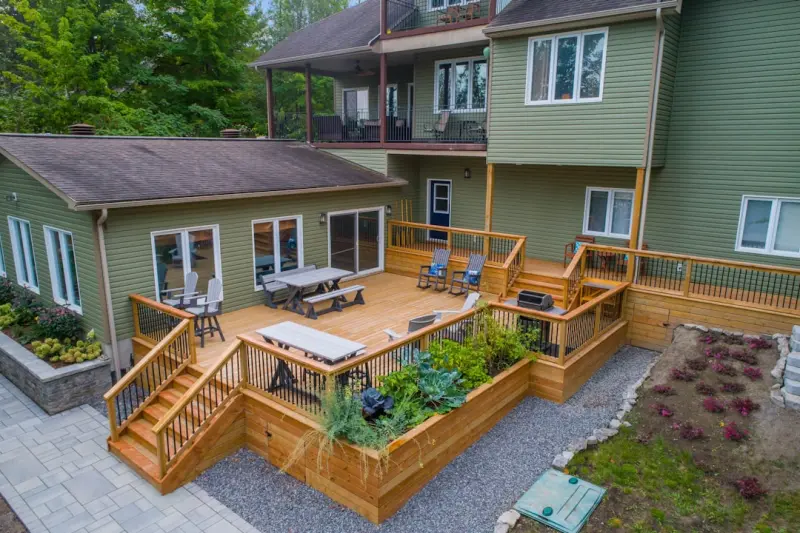
Rethinking Decks: From Seasonal Patio to Year‑Round Asset
A forward‑looking look at how decks are evolving beyond seasonal patios into adaptable, tech‑enhanced platforms that support work, wellness, and revenue gen...Read More

Eco‑Smart Wallpaper: Turning Walls Into Sustainable Brand Assets
Explore the rise of eco‑smart wallpaper as a strategic asset that blends sustainability, acoustic performance, and brand storytelling, turning ordinary walls ...Read More
0 Comments
Post Comment
You will need to Login or Register to comment on this post!