
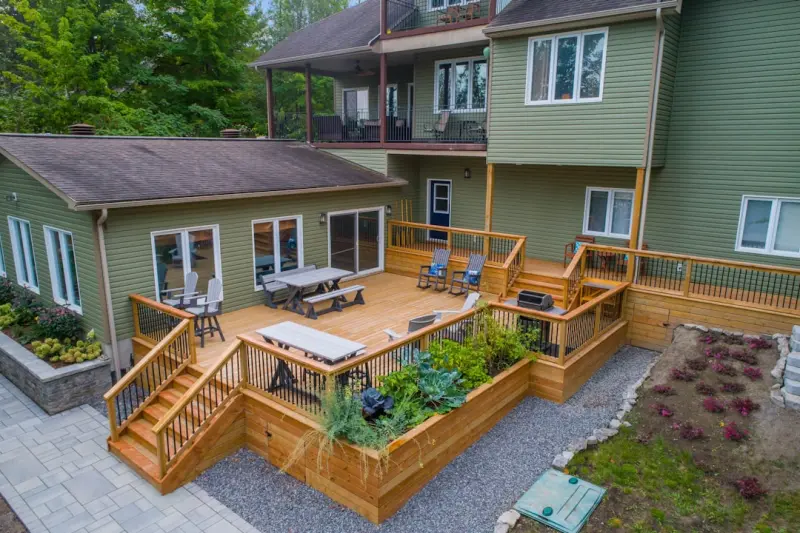
Rethinking the Deck: From Seasonal Patio to Year‑Round Asset
When I first stepped onto my own backyard deck after a long winter, I expected the usual ritual: a quick shake‑off, a coffee, and maybe a few minutes of sunshine before retreating indoors. What I didn’t anticipate was a revelation—a deck can be more than a seasonal lounging spot. It can be an adaptable, climate‑responsive, and technology‑enhanced platform that supports work, wellness, and even revenue generation, without sacrificing the relaxed vibe we love.
Why Decks Deserve a Second Look
Historically, decks have been treated as afterthoughts in the building envelope: an add‑on that caps a structure, offering a modest view and a place for a grill. Yet, the same way interior spaces have been re‑imagined with flexible layouts, acoustic zoning, and digital permitting, decks are ripe for a transformation. Homeowners and businesses alike are beginning to ask, “What if this square footage could serve multiple purposes throughout the year?” The answer lies in integrating material science, climate adaptability, and smart design principles.
Material Innovation: Durability Meets Aesthetics
Traditional deck boards—pressure‑treated lumber or composite planks—have served us well, but they’re reaching the end of their functional lifespan. New generations of engineered wood, bio‑based composites, and recycled‑plastic polymers are entering the market with claims of longer life, lower maintenance, and reduced environmental impact. For instance, boards infused with nano‑silica coatings resist moisture intrusion and UV degradation, meaning the deck can stay vibrant and safe for decades, even in harsh climates.
Choosing a material that aligns with a building’s sustainability goals is now as straightforward as checking the product’s life‑cycle assessment. By opting for a recycled‑plastic composite that meets circular construction practices, you not only extend the deck’s service life but also contribute to a broader waste‑reduction strategy.
Climate‑Responsive Design: Decks That Talk to the Weather
One of the biggest challenges for outdoor spaces is weather variability. In recent years, designers have turned to dynamic shading systems, permeable decking, and integrated drainage to create decks that respond to rain, wind, and sun. Imagine a deck equipped with motorized louvers that automatically adjust based on solar intensity, providing shade on hot days and opening up to capture breezes when temperatures drop. Coupled with a rain‑harvesting trough beneath the deck surface, you can channel water directly to a storage tank, ready for irrigation or grey‑water reuse.
Such climate‑responsive solutions aren’t just about comfort—they also improve energy efficiency. By reducing the need for indoor air‑conditioning during summer months, a well‑designed deck becomes an unsung hero in a building’s overall energy performance.
Technology Integration Without the “Smart” Label
While “smart” decks sound catchy, the term can feel overused. Instead, think of a deck as a “connected platform.” Sensors embedded in the decking can monitor moisture levels, structural load, and temperature fluctuations. When moisture reaches a critical threshold, an alert can be sent to a homeowner’s phone, prompting early maintenance before rot sets in. Load sensors can warn when the deck is approaching its weight capacity, a valuable feature for businesses that host pop‑up events or outdoor markets.
These data streams feed into simple, user‑friendly dashboards that provide actionable insights—no AI jargon required. The goal is to empower users with information that prolongs the deck’s life and maximizes its utility.
From Private Retreat to Revenue Generator
One emerging trend is the conversion of residential decks into micro‑commercial spaces. A well‑designed deck can host weekend pop‑up cafés, yoga classes, or art installations, turning a private area into a community hub that generates supplemental income. The key is ensuring the deck meets local code requirements for occupancy, accessibility, and fire safety—a process that’s become far more streamlined thanks to digital permitting tools.
For property owners looking to dip their toes into this model, a quick read on how digital permits are reshaping construction projects can illuminate the path to compliance without a bureaucratic nightmare.
Wellness‑Focused Decks: A Platform for Mind‑Body Balance
Beyond work and commerce, decks are perfect venues for wellness activities. Integrating natural elements—such as living green walls, planters with native flora, and kinetic flooring that captures footfall energy—can create an environment that supports mental health. Studies have shown that exposure to greenery and natural light reduces stress and boosts productivity. By designing a deck that incorporates these biophilic elements, you turn an outdoor surface into a therapeutic space.
Even simple additions like built‑in yoga platforms, low‑level water features, or ambient soundscapes can transform a deck into a personal retreat that encourages movement and mindfulness.
Modular Deck Systems: The Future of Flexibility
Modular deck components are gaining traction for their ease of installation and adaptability. Prefabricated sections that snap together can be reconfigured as needs evolve—expanding for a larger gathering, contracting for a more intimate setting, or even being repurposed entirely for a different project. This approach mirrors the growing popularity of modular interiors, where spaces can be quickly re‑programmed without extensive demolition.
The modular philosophy also dovetails with sustainability goals. When a deck component reaches the end of its life, it can be disassembled and recycled, reducing material waste. For those interested in exploring the broader implications of modular building solutions, the post on flexible floor solutions provides valuable context.
Accessibility and Inclusivity: Designing for Everyone
Historically, decks have been designed with aesthetics in mind, often overlooking accessibility. Modern deck design places equal emphasis on universal design principles—smooth transitions between indoor and outdoor spaces, non‑slip surfaces, and appropriate railing heights. Incorporating tactile paving at strategic points can assist visually impaired users, while integrating wheelchair‑friendly ramps ensures that the deck serves all members of a household or community.
By foregrounding inclusivity, a deck becomes a welcoming extension of the home rather than a barrier, aligning with broader societal moves toward equitable design.
Maintenance Made Easy: Proactive Care Strategies
The biggest deterrent for many homeowners is the perceived upkeep burden. However, contemporary decks can be low‑maintenance through a combination of material choice and proactive monitoring. Nano‑coated composites resist staining and require only occasional rinsing. Embedded sensors, as mentioned earlier, can alert owners to early signs of wear, allowing for targeted interventions before costly repairs become necessary.
Routine maintenance can be further simplified with a “deck health” calendar that schedules cleaning, sealing, and inspection tasks based on the deck’s usage patterns and climatic conditions. This approach turns maintenance into a predictable, manageable routine rather than a dreaded chore.
Looking Ahead: Decks as Integrated Building Assets
When we consider the deck as an integral component of a building’s envelope, the possibilities expand dramatically. A deck that harvests energy, manages water, supports wellness, and adapts to changing needs becomes a strategic asset rather than an afterthought. As material technologies mature and data‑driven maintenance tools become commonplace, the deck will evolve from a seasonal playground into a year‑round, multi‑functional platform that adds tangible value to both residential and commercial properties.
Whether you’re a homeowner dreaming of a versatile outdoor living area, a small business owner exploring pop‑up opportunities, or a facilities manager seeking to extend the lifespan of existing assets, the modern deck offers a canvas for innovation. Embrace the shift, and watch your outdoor space become a dynamic extension of your indoor environment.

Kelly Reynolds is a dynamic freelance writer hailing from the picturesque landscapes of Alberta. A master of the written word, she juggles her passion for storytelling with the exhilarating chaos of being a mother to five spirited children. With an impressive portfolio that spans various genres, Kelly captivates readers through her engaging blog posts and thought-provoking articles.
Related Posts
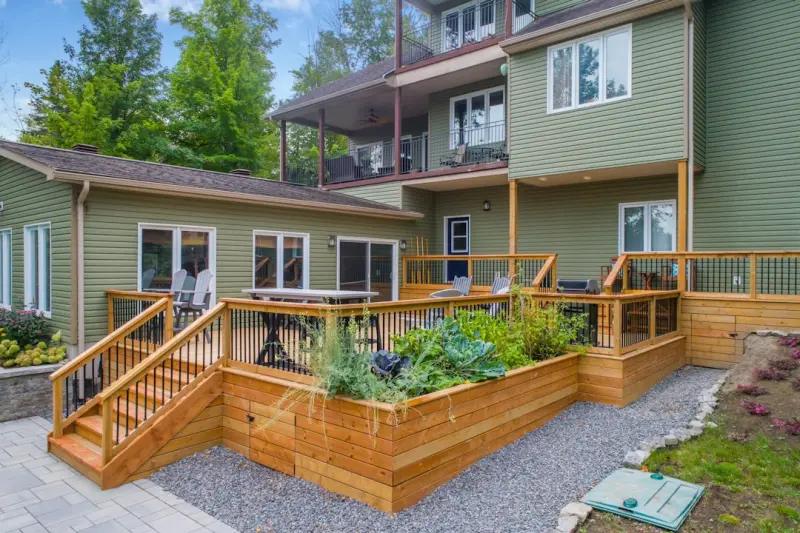
Designing a Year‑Round, Multi‑Functional Deck That Works for Everyone
Learn to transform a basic deck into a year‑round, multi‑functional outdoor living space with du... Read More

The Quiet Revolution: Turning Your Deck into a High‑Performance Remote‑Work Sanctuary
A deck isn’t just for summer parties—it can be a data‑driven, ergonomically sound remote‑wor... Read More
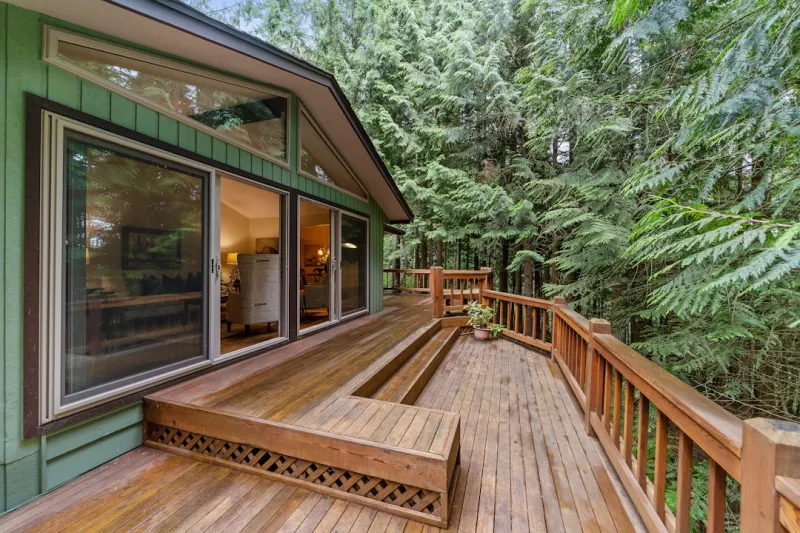
Designing a Sustainable Deck That Becomes Your Year‑Round Sanctuary
A personal guide to creating a sustainable, versatile deck that blends comfort, style, and eco‑fri... Read More
Top Posts
Beyond Blueprints: How General Contractors Are Turning Collaboration Into Competitive Edge
General contractors can boost performance by adopting Integrated Project Delivery, leveraging digital twin technology for real‑time site insight, and using wo...Read More

Adaptive Tile Systems: Merging Aesthetics, Data, and Durability
Tiles are evolving from static décor to intelligent platforms. This post reveals how modular installation, embedded sensors, and innovative materials turn floo...Read More
Design‑Build Mastery: Blending Vision, Efficiency, and Green Thinking
A design‑build approach merges creativity, client collaboration, and green strategies to create homes that are beautiful, efficient, and built to last. Learn ...Read More

Revitalize Your Lawn: A Soil‑First Strategy for Thriving Grass
A soil‑first approach transforms your lawn into a resilient, low‑maintenance oasis. Learn how to test, amend, and nurture the ground beneath for lasting gre...Read More
0 Comments
Post Comment
You will need to Login or Register to comment on this post!