

Why Plastering Is the Unsung Hero of Sustainable Building
When architects and owners talk about green construction, the conversation usually orbits around high‑performance glazing, renewable energy, or low‑carbon concrete. Rarely does plaster get a seat at the table, even though it can be a powerful lever for reducing a building’s environmental footprint, improving indoor health, and extending the life of interior finishes. In this article I’ll peel back the layers (pun intended) to show how modern plaster systems are evolving from a decorative after‑thought to a strategic component of a responsible facility.
The Material Evolution: From Gypsum to Hemp‑Lime
Traditional gypsum plaster has been a staple for centuries, prized for its smooth finish and quick setting time. Yet its production is energy‑intensive, and the raw material contains a significant amount of calcium sulfate, which contributes to carbon emissions. Enter the new generation of plaster mixes:
- Hemp‑lime plaster – made from lime, water, and shredded hemp fibers, this blend locks carbon in the plant material and offers excellent breathability.
- Recycled gypsum plaster – sourced from demolition waste, it reduces landfill pressure and cuts the need for virgin raw material extraction.
- Magnesium‑based plasters – they cure at lower temperatures and can be reclaimed for reuse in future renovations.
Each of these options brings a distinct set of performance attributes, from superior moisture regulation to increased tensile strength. When selected thoughtfully, they align plastering with the broader sustainability goals of any commercial project.
Health Benefits: Breathable Walls for Better Indoor Air
One of the most compelling arguments for green plaster is its impact on indoor air quality. Breathable wall systems allow moisture to migrate through the surface, preventing the buildup of mold and mildew that can trigger respiratory issues. Unlike impermeable finishes, a well‑designed plaster coat acts as a hygroscopic buffer, absorbing excess humidity when the space is damp and releasing it when the air dries out.
Research has shown that occupants in buildings with breathable interior walls report fewer incidences of headaches, allergies, and eye irritation. For facilities managers, this translates into lower sick‑day rates and a healthier workforce—a tangible return on an often‑overlooked investment.
Performance Meets Technology: Embedding Sensors in Plaster
While plaster has traditionally been a low‑tech material, recent advances allow it to become a data‑rich surface. By embedding thin‑film moisture sensors or temperature probes within the plaster matrix, building operators can monitor wall health in real time. This is especially valuable in environments where humidity control is critical, such as data centers, laboratories, or museums.
For a concrete‑centric example of how embedded intelligence works, see how concrete can host sensors. The same principles apply to plaster, but with the added advantage of a finish that directly interacts with indoor climate.
Integrating Plaster with Water‑Resistant Systems
Moisture management is a two‑part equation: the substrate must be protected, and the finish must be able to handle occasional exposure. Modern waterproofing membranes, applied before plaster, create a barrier that prevents water ingress while still allowing vapor to escape. This synergy is highlighted in waterproofing techniques that complement plaster, demonstrating that a well‑planned layering strategy can safeguard both the structure and the interior aesthetics.
Choosing a plaster that is compatible with these membranes is essential. Some lime‑based plasters can be overly alkaline and may react with certain waterproofing compounds. The key is to work with manufacturers who have tested their products together and can provide performance data to back up the claim.
Acoustic Advantages: Plaster as a Sound‑Dampening Shield
Open‑plan offices and collaborative workspaces often struggle with noise bleed. While acoustic ceiling tiles and partitions are common solutions, plaster walls can also contribute significantly to sound attenuation. By increasing wall mass and adding a thin layer of resilient insulation behind the plaster, you can achieve Noise Reduction Coefficients (NRC) comparable to specialized acoustic panels.
This approach delivers a dual benefit: a seamless, high‑end appearance without the visual clutter of acoustic baffles, and a reduction in reverberation that improves speech intelligibility—a critical factor for productivity and employee satisfaction.
Speed and Efficiency: Prefabricated Plaster Panels
Construction timelines are under relentless pressure, and any method that reduces on‑site labor is welcomed. Prefabricated plaster panels, produced in controlled factory settings, arrive ready to install. They come with integrated reinforcement, pre‑drilled openings for services, and, in some cases, pre‑installed sensor arrays.
These panels can be mounted directly onto steel or timber framing, cutting finish time by up to 40 percent compared with traditional wet‑on‑wet plastering. The consistency of factory conditions also means lower defect rates and a more predictable finish quality.
Lifecycle Costing: From Installation to Re‑use
When evaluating any interior finish, a true facility manager looks beyond the initial material cost. The lifecycle cost of plaster includes installation labor, maintenance, cleaning, and eventual removal or refurbishment. Green plaster mixes often excel in this analysis:
- Low maintenance – Breathable surfaces resist staining and require only gentle cleaning.
- Extended durability – Hemp‑lime and magnesium plasters develop a protective carbonate layer over time, enhancing resistance to wear.
- Re‑usability – Because many of these plasters can be mechanically removed without damaging underlying structures, they support adaptive reuse projects.
By factoring in reduced cleaning cycles, lower HVAC loads (thanks to improved humidity buffering), and the potential for material reclamation, the total cost of ownership often tips in favor of sustainable plaster solutions.
Design Flexibility: Texture, Color, and Integrated Lighting
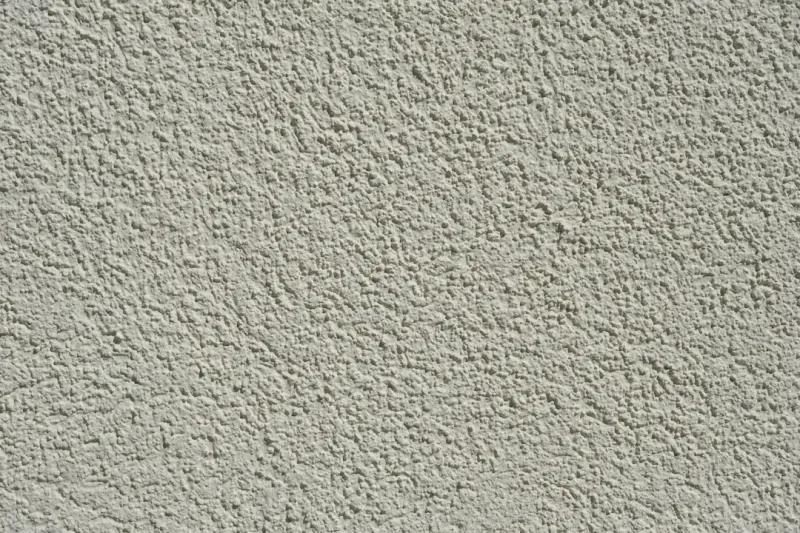
Plaster is not just a functional layer; it’s a canvas for design innovation. Modern pigments allow for vibrant, fade‑resistant colors without compromising breathability. Texturing techniques—such as stippling, swirl, or sand‑finish—can create visual interest while also adding subtle acoustic diffusion.
Moreover, designers are experimenting with recessed LED strips that sit within shallow plaster recesses, delivering ambient lighting without the need for additional fixtures. This integration reduces the amount of hardware required, simplifying maintenance and further lowering the building’s embodied energy.
Regulatory Landscape: Meeting Green Certifications
Green building rating systems, from LEED to BREEAM, award points for material sourcing, indoor environmental quality, and lifecycle impacts. Plaster that incorporates recycled content, low‑carbon binders, or certified sustainable fibers can earn credits under the Materials & Resources and Indoor Environmental Quality categories.
When preparing a certification package, be sure to document:
- The percentage of recycled or bio‑based content in the plaster mix.
- Third‑party testing results for moisture permeability and VOC emissions.
- Any sensor data that demonstrates real‑time performance monitoring.
These records not only support the certification pursuit but also provide valuable data for facility managers seeking to optimize building operations over time.
Case Study: A Boutique Hotel’s Green Plaster Retrofit
One recent project involved retrofitting a 50‑room boutique hotel in a historic downtown district. The owners wanted to preserve the building’s charm while improving energy performance and guest health. The solution combined a lime‑hemp plaster system with a breathable waterproofing membrane, integrated humidity sensors, and reclaimed wood trim.
Outcomes included a 12 % reduction in HVAC energy use—attributable to the plaster’s moisture‑regulating properties—plus a noticeable improvement in guest satisfaction scores related to “air freshness.” The hotel also secured a BREEAM “Excellent” rating, highlighting plaster’s role in achieving high sustainability benchmarks.
Implementation Checklist for Facility Leaders
Ready to bring these benefits into your next project? Use this quick checklist to ensure you cover the critical considerations:
- Material selection – Verify recycled or bio‑based content and obtain third‑party environmental product declarations.
- Compatibility testing – Confirm that the chosen plaster works with any waterproofing or insulation layers.
- Sensor integration plan – Decide on the type and placement of embedded sensors for moisture or temperature monitoring.
- Acoustic design – Calculate required wall mass and consider adding resilient backings for sound control.
- Prefabrication options – Explore manufacturers that offer factory‑built plaster panels tailored to your project dimensions.
- Certification strategy – Align plaster specifications with the credit requirements of your chosen green rating system.
Future Outlook: Plaster in the Age of Circular Economy
Looking ahead, plaster is poised to become a cornerstone of the circular economy in construction. Innovations on the horizon include:
- Carbon‑negative binders that capture CO₂ during curing, effectively turning walls into carbon sinks.
- Modular plaster tiles that can be swapped out and recycled at the end of a building’s life.
- AI‑driven application robots that adjust mix ratios on the fly, optimizing performance based on real‑time sensor feedback.
These trends suggest that plaster will no longer be seen as a passive finish, but as an active participant in building performance, health, and sustainability.
Final Thoughts
Plastering, when approached with a modern, sustainability‑first mindset, offers a rare blend of aesthetic flexibility, health benefits, acoustic performance, and carbon‑reduction potential. By embracing innovative mixes, sensor integration, and prefabricated solutions, facility leaders can unlock a new level of value from what was once considered merely decorative. The next time you walk into a space with a smooth, inviting wall, ask yourself: is this plaster working for the building’s efficiency, its occupants’ well‑being, and the planet? If the answer is yes, you’ve found a hidden asset that deserves a place in every strategic renovation plan.

David MacKinnon is a dynamic freelance writer known for his captivating storytelling and keen insights into the world of technology. With a passion for exploring the intersection of innovation and everyday life, he crafts engaging narratives that not only inform but also inspire his readers.
Related Posts
Texture Tales: Mastering Decorative Plaster for Modern Homes
Explore how texture, proper prep, and creative application turn plaster into a standout feature, off... Read More

Why Modern Plastering Is the Unsung Hero of Sustainable Building
A deep dive into how eco‑friendly binders, health‑focused finishes, and digital tools are transf... Read More

Crafting Competitive Edge: The Rise of Decorative Plaster in Commercial Spaces
Decorative plaster, once reserved for historic monuments, is now a strategic tool for modern busines... Read More
Top Posts

Lighting as Narrative: Crafting Mood with Layered Light
Explore the power of layered lighting—ambient, task, and accent—to create mood, support function, and add sustainable elegance to any interior space....Read More

Crafting the Future: Sustainable, Tech‑Enabled Woodworking for Modern Makers
Discover the quiet revolution in woodworking where reclaimed materials, CNC precision, and community-driven workshops converge to create sustainable, adaptable,...Read More

Dynamic Insulation: Turning Passive Barriers into Active Energy Managers
A deep dive into the next wave of insulation technology, showing how sensors, phase‑change materials, and smart retrofits transform walls and roofs from stati...Read More

The Critical Role of Sustainable Practices in Home Inspections
Sustainable practices play a critical role in home inspections, enabling homeowners to identify opportunities to improve the eco-friendliness of their property ...Read More
0 Comments
Post Comment
You will need to Login or Register to comment on this post!