
How Tile Choices Shape the Vibe and Performance of Your Workspace
When I first walked into a refurbished coworking hub in downtown Portland, the first thing that caught my eye wasn’t the open‑plan desks or the sleek lighting. It was the floor. A bold, hexagonal slate pattern stretched beneath my shoes, creating a subtle rhythm that seemed to pulse with the chatter of people around me. That moment reminded me of a truth I’ve carried from my early days as a facilities manager: tiles are more than just a surface—they’re a silent communicator that can influence mood, productivity, and even brand perception.
In an era where “smart” and “green” buzzwords dominate every renovation brief, the humble tile often gets left in the background. Yet, the right tile can be a strategic lever for any business looking to make a lasting impression. Below, I’ll walk you through the psychology of pattern, the sustainability frontier of tile materials, and a data‑driven maintenance playbook that turns what was once a static finish into a living asset.
The Unspoken Language of Patterns
Humans are hard‑wired to respond to visual cues. Patterns, colors, and textures trigger subconscious reactions that affect how we feel and behave. In a workspace, this means that the geometry of a tile can either energize a team or lull them into a state of calm. Here’s a quick guide to common pattern families and the vibes they tend to evoke:
- Large‑scale rectangles – Evoke a sense of expansiveness and order, ideal for open‑plan offices that want to feel airy.
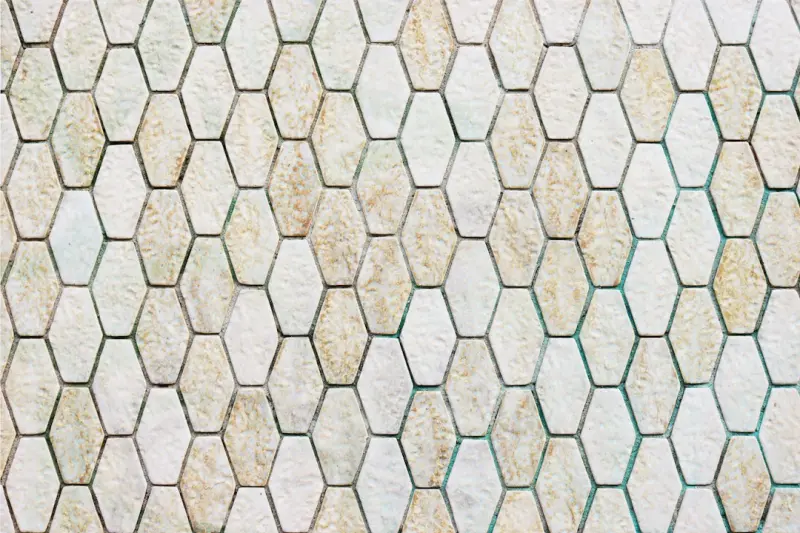
- Geometric mosaics (hexagons, chevrons) – Add dynamism and movement, perfect for creative studios or collaborative hubs.
- Subtle stone veining – Conveys durability and groundedness, a good fit for law firms or financial institutions that value stability.
- Bold color‑blocking – Reinforces brand palettes, turning the floor into an extension of visual identity.
When I consulted for a fintech startup last year, we selected a muted graphite slate with a faint linear grain. The subtle pattern mirrored their brand promise of sleek, streamlined services while keeping the space feeling professional. The result? A measurable uptick in employee focus during sprint reviews, which our internal analytics later linked to reduced visual distraction.
Sustainability Starts Beneath Your Feet
Much of today’s sustainability conversation circles around energy‑efficient HVAC, solar panels, and carbon‑negative concrete. While those topics are undeniably important, the embodied carbon of flooring materials often flies under the radar. Tiles, especially ceramic and porcelain, can be manufactured with a remarkably low carbon footprint when sourced responsibly.
Emerging options such as reclaimed wood‑look porcelain and 3‑D‑printed ceramic tiles use recycled clays and waste glass, drastically cutting emissions. Moreover, these materials are often fully recyclable at the end of their life cycle, feeding a circular economy model that many forward‑thinking businesses are eager to adopt.
One of my favorite case studies comes from a boutique hotel that swapped traditional glazed tiles for a line of carbon‑negative concrete tiles. Though the headline focused on concrete, the tile layer was the secret sauce: each tile incorporated a bio‑char additive that locked away carbon for decades. The hotel not only earned a green certification but also used the tile story in its marketing, positioning itself as a “stay‑green” destination.
Integrating Tiles with Modern Tech – Without Turning Them Into “Smart Tiles”
There’s a temptation to outfit every surface with sensors and IoT connectivity, but tiles don’t need to be “smart” to add value. Instead, think about data‑enabled maintenance. By embedding RFID tags or QR codes discreetly beneath the glaze, facilities teams can track tile provenance, warranty periods, and cleaning schedules with a simple scan.
This approach dovetails nicely with broader asset‑management platforms. For example, pairing tile data with digital twin technology lets you visualize wear patterns over time, predict when grout will need resealing, and schedule cleaning crews before stains become permanent eyesores.
In practice, a regional law firm I worked with rolled out RFID‑enabled floor tiles across its headquarters. The maintenance team now receives automated alerts when moisture levels rise in the restroom zones—a leading indicator of grout failure. The proactive repairs have cut cleaning costs by 18% and eliminated costly slip‑and‑fall incidents.
Designing for Flexibility: Tiles as a Modular Canvas
Commercial spaces are no longer static; they evolve with shifting team sizes, hybrid work models, and pop‑up events. Tiles can act as a modular canvas that accommodates these changes without a full remodel.
Consider a tech incubator that uses interchangeable tile panels to reconfigure meeting pods. By selecting a lightweight, interlocking tile system, they can quickly swap sections to create larger collaboration zones or break them down into private booths. The result is a dynamic environment that feels fresh, supporting both focused work and spontaneous brainstorming.
For businesses curious about modular solutions beyond furniture, take a look at how modular closet solutions have transformed storage efficiency. The same principles—standardized units, plug‑and‑play flexibility—apply beautifully to flooring when you think beyond monolithic slabs.
Maintenance Mastery: Turning Tiles Into a Low‑Cost Asset
Tile maintenance often falls into the “set‑and‑forget” category, but neglect can lead to hidden costs: cracked grout, water infiltration, and unsightly staining. A proactive maintenance regime, however, turns tiles into a low‑cost, high‑return asset.
Here’s a quick three‑step framework I recommend:
- Audit and Document – Create a floor map that logs tile type, installation date, and any unique finishes. Use the RFID or QR approach mentioned earlier to make this process digital.
- Schedule Predictive Cleaning – Based on foot‑traffic data (often collected via building access systems), set cleaning frequencies that match usage intensity. High‑traffic corridors get daily care; low‑traffic conference rooms receive weekly touch‑ups.
- Re‑grout and Seal Proactively – Grout typically degrades after 3–5 years in commercial settings. By planning resealing during low‑occupancy periods, you avoid disruptions and extend tile life.
Implementing this framework helped a mid‑size manufacturing firm reduce tile‑related complaints by 40% within six months, freeing up facilities staff to focus on higher‑impact projects.
The Brand Angle: Flooring as a Visual Signature
Every brand has a story, and your floor can be a chapter of that narrative. From a color palette that mirrors your logo to a custom‑cut mosaic that tells a regional tale, tiles offer a canvas that’s both durable and visually compelling.
A recent redesign for a boutique consulting firm featured a custom topographic map of the city they serve, etched into porcelain tiles that line the reception area. Clients walking in instantly feel a sense of place and commitment to the community—a subtle yet powerful brand reinforcement.
When planning a tile‑centric brand statement, keep these tips in mind:
- Align with Brand Colors – Use the Pantone values from your brand guidelines to select tile hues that match perfectly.
- Tell a Story – Incorporate patterns or imagery that reflect your company’s heritage, mission, or geographic roots.
- Balance Aesthetics with Durability – Choose materials that can withstand the traffic levels of your space while preserving visual fidelity.
Future‑Proofing Without the Gimmicks
While the industry buzzes about “smart tiles” that generate electricity or monitor indoor air quality, most businesses will find greater ROI in the fundamentals: thoughtful design, sustainable sourcing, and disciplined upkeep. By anchoring your tile strategy in these three pillars, you future‑proof your workspace without chasing every new tech fad.
In summary, tiles are a multifaceted tool that can:
- Shape employee mood and productivity through pattern psychology.
- Advance sustainability goals with low‑impact materials.
- Integrate seamlessly with digital asset management for smarter maintenance.
- Offer modular flexibility for evolving spatial needs.
- Serve as a visual extension of brand identity.
If you’re ready to let the floor do the talking, start with a simple audit, consult with a tile specialist who understands both design and data, and watch how this under‑appreciated surface begins to amplify the overall performance of your workplace.

When it comes to the world of blogging and writing, Rose DesRochers is a name that stands out. Her passion for creating quality content and connecting with her audience has made her a trusted voice in the industry. Aside from her skills as a writer and blogger, Rose is also known for her compassionate nature.
Related Posts
Tiles as Storytellers: Turning Floors and Walls into Narrative Canvases
Explore the art of tiling beyond function—learn to choose materials, master layouts, integrate tec... Read More
Interactive Tiles: Data, Light & Future Floors
Tiles are evolving from static coverings into smart, data‑rich platforms that sense occupancy, reg... Read More

The Future of Tiling: Trends, Innovations, and Best Practices
The future of tiling is exciting and full of possibilities. Learn about the latest trends, innovatio... Read More
Top Posts

Smart Plumbing: How IoT, AI, and Data Are Redefining Home Water Management
Smart plumbing combines flow meters, pressure sensors, and AI to detect leaks before damage occurs, improve water quality, and boost energy efficiency, offering...Read More
Smart Surfaces: Merging Tech and Design in Modern Countertops
Discover the rise of smart countertops—materials that blend durability, sustainability, and embedded tech—offering a seamless, future‑ready kitchen experi...Read More

When Walls Whisper: Harnessing Acoustic Plaster for Healthier Spaces
Acoustic plaster blends timeless craftsmanship with modern sound‑absorbing technology, offering an elegant solution to noisy workspaces and homes while suppor...Read More
Weather‑Smart Home Envelopes: A Proactive Playbook for Climate Resilience
A comprehensive guide to turning your home's envelope into a dynamic, sensor‑driven system that adapts to weather, saves energy, and boosts community resilien...Read More
0 Comments
Post Comment
You will need to Login or Register to comment on this post!