
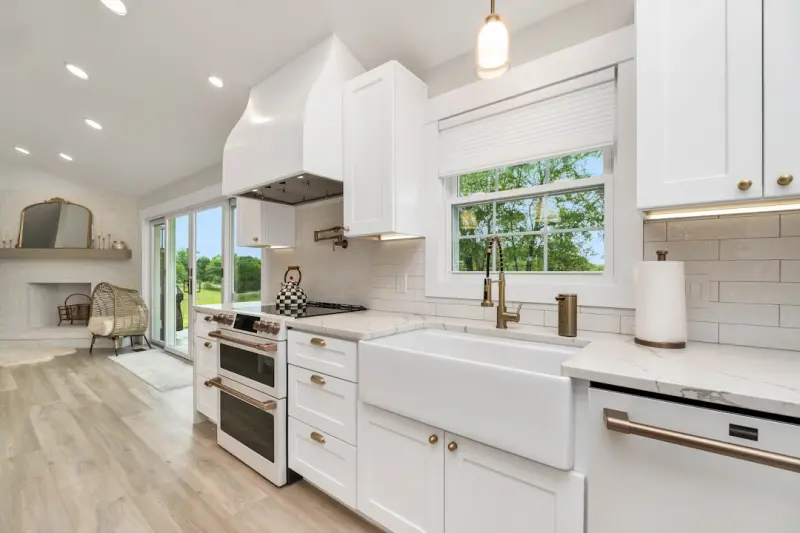
Why the Kitchen Deserves a Narrative Makeover
When I first stood in my grandparents’ kitchen, the scent of simmering soup mingled with the soft hum of the old refrigerator. It wasn’t just a room for food preparation – it was a stage for family stories, a laboratory for experimentation, and a sanctuary for quiet moments. A kitchen renovation, then, is not merely about cabinets and countertops; it’s about crafting a space that whispers the past while shouting possibilities for the future.
The Power of Texture and Sound
Most renovation guides obsess over color palettes and appliance specs, but the sensory experience often gets sidelined. Think about the gentle clack of a wooden spoon against a butcher‑block versus the sterile tap of a stainless steel surface. The former invites you to linger, to feel connected to the act of cooking. Likewise, the acoustics of a room can either amplify the comforting sizzle of a stir‑fry or drown it in echo.
To curate this ambience, start with the floor. Choosing a material that feels warm underfoot can dramatically alter how long you stay in the space. A well‑chosen floor can also improve posture and reduce fatigue, especially during marathon cooking sessions. For inspiration on how flooring choices can impact wellbeing, explore the ideas in thoughtful flooring selections.
Cooking Tech Without the Gimmicks
Technology has invaded the kitchen in ways that often feel more like novelty than utility. Instead of filling the countertop with devices that require constant firmware updates, I recommend a purpose‑first approach:
- Induction zones that adapt to pot size – they sense the base of the cookware and adjust power accordingly, saving energy without compromising performance.
- Ventilation that learns your cooking patterns – a system that ramps up when you’re searing and quiets down during gentle simmering.
- Integrated storage for gadgets – rather than a drawer full of tangled cords, a sleek recessed compartment keeps the countertop clean.
These upgrades prioritize reliability over flash, ensuring that the kitchen remains a place of calm efficiency rather than constant troubleshooting.
Sourcing Materials with a Conscience
Renovations can be environmentally taxing, but they also present an opportunity to make a positive impact. One of my favorite strategies is upcycling—repurposing existing materials in new, unexpected ways. Reclaimed barn wood can become a striking island top, while salvaged metal brackets add industrial charm without new production.
For a deeper dive into turning waste into value, read about the practices detailed in upcycling materials for a greener home. The key is to think of each leftover piece not as trash, but as a building block for a story‑rich kitchen.
Modular Layouts for Flexibility
Families evolve, cooking habits shift, and the way we use our kitchens changes over time. A rigid, monolithic layout can feel confining after a few years. Instead, consider a modular design that allows you to reconfigure sections without a full demolition:
- Rolling islands equipped with power outlets and storage can be moved to create an open‑plan flow or tucked away for intimate meals.
- Adjustable shelving lets you swap pantry heights as your grocery needs change.
- Removable backsplash panels enable quick aesthetic swaps—think chalkboard for kids, sleek tile for dinner parties.
Such flexibility ensures the kitchen grows with you, preserving its relevance and reducing the need for future remodels.
Lighting That Changes Mood
Lighting is often the silent hero of a renovation. While overhead LEDs are efficient, they can feel clinical. Layered lighting—ambient, task, and accent—creates depth:
- Warm under‑cabinet strips illuminate countertops without glare, ideal for chopping and reading recipes.
- Adjustable pendant lights over the island become focal points, casting artistic shadows when you’re entertaining.
- Recessed dimmable fixtures allow you to shift from bright morning prep to low‑key dinner ambience with a simple swipe.
Incorporating a lighting control system that remembers your preferred scenes can make the transition seamless, letting the space respond to your rhythm.
Integrating Sensor‑Based Comfort
While I shy away from “smart” buzzwords, there is undeniable value in integrated sensor networks that enhance comfort without demanding constant interaction. For instance, temperature sensors embedded in the floor can inform the heating system to maintain a consistent warmth, especially valuable in colder climates where a chilly floor can discourage you from lingering.
Read more about how embedded sensors are reshaping building performance in embedded sensor networks for home comfort. Applying this technology at a kitchen scale ensures your space remains inviting year after year.
The Art of Personalization
Every kitchen tells a story, and the details are where personality shines:
- Custom herb gardens built into the windowsill keep fresh flavors within arm’s reach.
- Family recipe boards—a magnetic board where handwritten notes become part of the decor.
- Open shelving with curated collections, from vintage copper pots to artisanal ceramics, turning storage into exhibition.
These touches make the kitchen feel lived‑in from day one, rather than a showroom waiting for the first splash of sauce.
Balancing Aesthetics and Function
It’s tempting to chase the latest trend—matte black appliances, oversized marble islands, or ultra‑minimalist cabinets. While aesthetics are crucial, they should never eclipse function. Ask yourself:
- Will I need ample drawer space for utensils?
- Is the countertop material forgiving for both cutting and heat?
- Does the layout support the “work triangle” of sink, stove, and fridge without causing bottlenecks?
Answering these questions early prevents costly revisions and ensures that the final design serves both beauty and practicality.
Creating a Sustainable Workflow
During demolition, separate salvaged wood, metal, and recyclable plastics. Partner with local artisans who can transform these materials into functional pieces—think reclaimed wood serving as a butcher block or reclaimed metal becoming a striking pot rack. Not only does this reduce landfill waste, but it also adds a narrative layer to the space.
Final Checklist for a Thoughtful Kitchen Renovation
- Define the story you want your kitchen to tell—family heritage, culinary adventure, or minimalist calm.
- Map sensory elements—choose textures, sounds, and aromas that align with that story.
- Select durable, sustainable materials that age gracefully.
- Plan for flexibility with modular components and adjustable storage.
- Integrate low‑maintenance technology that enhances comfort without demanding constant attention.
- Layer lighting to support various moods and tasks.
- Document the process—photos, sketches, and notes become part of the kitchen’s narrative for future generations.
When you approach a renovation as a story‑crafting exercise rather than a checklist, the result is a kitchen that feels alive, adaptable, and deeply personal. It becomes a place where each meal is not just nourishment for the body, but a chapter in the ongoing tale of your home.

When it comes to the world of blogging and writing, Rose DesRochers is a name that stands out. Her passion for creating quality content and connecting with her audience has made her a trusted voice in the industry. Aside from her skills as a writer and blogger, Rose is also known for her compassionate nature.
Related Posts
Designing the Kitchen as a Hybrid Hub: Work, Play, and Sustainable Living
The kitchen is evolving from a cooking zone into a hybrid hub that supports remote work, sustainabil... Read More
A Sustainable Kitchen Renovation That Feels Like Home
A personal, step‑by‑step guide to a sustainable kitchen remodel, blending reclaimed materials, s... Read More
The Subscription Kitchen: How Modular Design Is Redefining Home Cooking
Discover how modular, subscription‑style kitchen upgrades are transforming the heart of the home i... Read More
Top Posts

Breathing New Life Into Vintage Furniture: A Craftsperson’s Roadmap
Explore a comprehensive, eco‑friendly approach to furniture restoration that blends historic craftsmanship with modern tools, offering practical steps, pricin...Read More
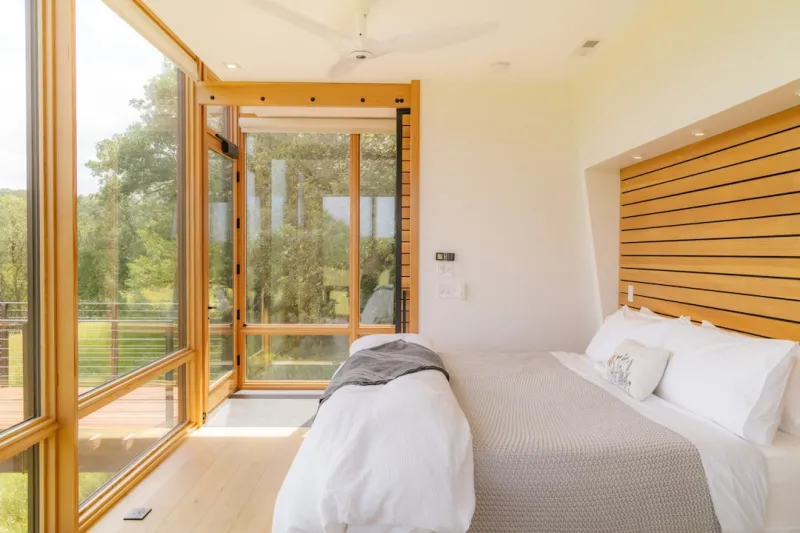
The Modern Homeowner’s Guide to Sustainable Windows and Doors
Explore how high‑performance glazing, smart integrations, and sustainable materials are reshaping windows and doors, with actionable maintenance hacks for las...Read More

AI‑Powered HVAC Zoning: The Future of Home Comfort
Explore AI‑powered HVAC zoning that learns your home’s rhythms, cuts energy bills, and integrates with smart devices for effortless, personalized comfort....Read More
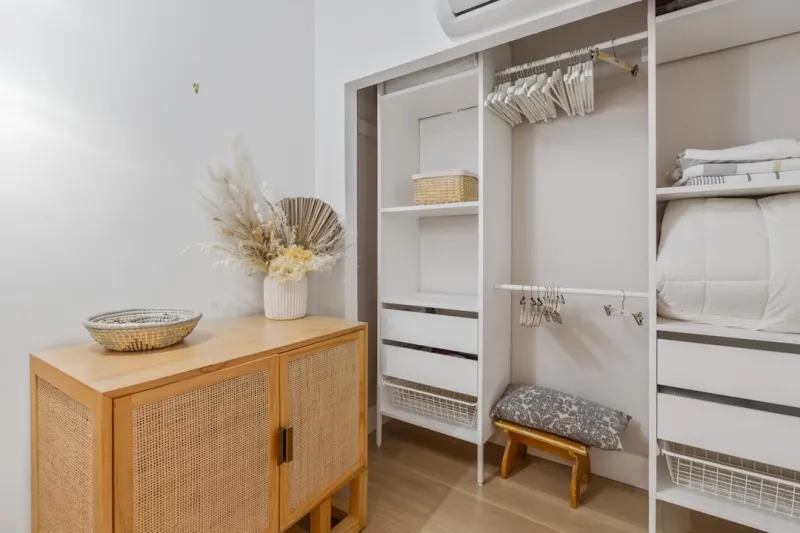
The Sustainable Closet: How Eco-Friendly Design Can Transform Your Storage Space
Discover the benefits of sustainable closet design and learn how to create a greener storage space with eco-friendly materials, energy-efficient lighting, and o...Read More
0 Comments
Post Comment
You will need to Login or Register to comment on this post!