
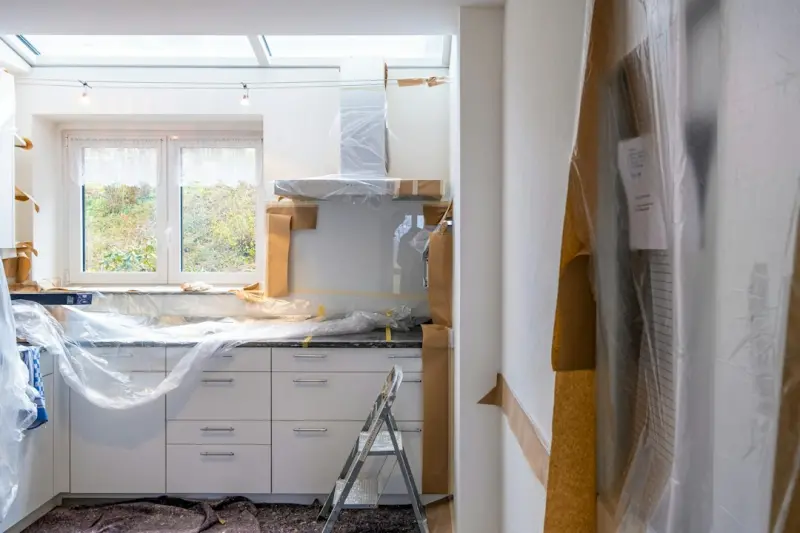
Understanding the Core Purpose of the Kitchen
When I first stepped onto a construction site, the kitchen was the one room that seemed to pulse with life. It’s not just a place to cook; it’s a gathering spot, a homework station, a makes‑and‑breaks hub, and increasingly, a remote‑work nook. Because of that, a kitchen renovation can’t be approached as a single‑function upgrade. It has to be a holistic redesign that anticipates how families evolve, how habits shift, and how technology subtly integrates.
Material Choices That Age Gracefully
Every contractor knows the temptation to chase the latest finish. Yet the most enduring kitchens are built on a foundation of timeless materials. Think solid‑core wood cabinets finished with low‑VOC, water‑based stains that resist yellowing. Look for natural stone or high‑performance engineered quartz that won’t craze under heat cycles. Even the flooring matters: wide‑plank hardwood with a matte finish can handle spills while developing a characterful patina over the years.
One lesson I learned early on was to treat the backsplash as a protective skin, not a decorative afterthought. Ceramic tiles with a matte glaze provide both durability and a subtle visual texture that doesn’t scream “trendy”. When you need a splash of personality, consider a hand‑crafted mosaic that can be swapped out later without redoing the entire wall.
Layout Flexibility for Life Changes
Family dynamics are rarely static. A kitchen that comfortably serves a couple of roommates may feel cramped once a child arrives, and the same space can feel oversized when the household downsizes. To accommodate this, I start each project with a modular work triangle concept: positioning the sink, stove, and refrigerator within a flexible envelope rather than a rigid rectangle. This leaves room for a move‑able island or a prep station that can be tucked away.
In larger homes, a secondary prep zone—sometimes called a “cooking hallway”—can be built with a narrow countertop and a compact dishwasher. When guests stay over, the secondary zone doubles as a serving station, keeping the main cooking area uncluttered.
Invisible Storage Solutions
Clutter is the silent killer of kitchen appeal. My go‑to strategy is to hide storage behind what looks like a clean surface. Pull‑out pantry walls that slide out from the back of cabinets keep canned goods out of sight while keeping them accessible. Toe‑kick drawers make use of the space beneath cabinets for flatware or cutting boards—an area most homeowners overlook.
Another trick is to use vertical dividers inside cabinets for baking sheets, cutting mats, and trays. It eliminates the need for stacking, which can cause warping over time. Finally, consider a dedicated trash‑and‑recycling pull‑out that keeps bags contained and the kitchen looking tidy.
Lighting for Mood and Efficiency
Lighting is often an afterthought, yet it shapes how we experience the space. I recommend a layered approach:
- Ambient ceiling fixtures that provide even, glare‑free illumination across the room.
- Task lighting under cabinets, positioned to illuminate countertops without casting shadows on work surfaces.
- Accent lighting above open shelving or a glass‑front cabinet to showcase curated pieces.
When selecting bulbs, choose those with a high CRI (color rendering index) to ensure food looks appetizing and colors stay true. Dimmable circuits let you shift from bright prep mode to a soft evening ambience with a single swipe.
Integrating Technology Without Over‑Complicating
While many homes are now wired for the latest gadgets, the kitchen should remain intuitive. A good rule of thumb is to embed technology where it serves a clear purpose and can be upgraded without tearing down walls.
For example, installing a next‑gen kitchen surface system that includes built‑in wireless charging pads and discreet conduit for future appliance upgrades can keep the space feeling modern without a full remodel in five years.
Another subtle integration is a centralized control hub mounted in a cabinet door, allowing you to manage lighting, ventilation fans, and a smart thermostat from a single panel. The hub can be swapped out as standards evolve, keeping the kitchen adaptable.
Maintenance‑Friendly Finishes
Even the most beautiful kitchen can lose its charm if upkeep is a nightmare. Here are three finish choices that simplify cleaning:
- Matte acrylic cabinet fronts that resist fingerprints and can be wiped with a damp cloth.
- Quartz countertops with a low‑porosity surface that won’t stain from coffee or wine.
- Stainless‑steel backsplashes that can be sprayed down and won’t chip.
In addition, seal any natural stone at least twice a year and apply a protective wax to wooden cutting boards to extend their life.
Budgeting for Longevity
It’s tempting to cut corners, but investing in quality up front saves money down the line. I advise clients to allocate their budget in a 40‑30‑30 split:
- 40% for core structural elements—cabinets, countertops, and flooring.
- 30% for functional systems—plumbing, electrical, ventilation.
- 30% for finishes and details—hardware, lighting, backsplashes.
This framework ensures the most heavily used components receive the best materials while still leaving room for personality touches.
Whole‑Home Sustainability Perspective
A kitchen renovation doesn’t happen in isolation. The choices you make can ripple through the entire home’s environmental footprint. For inspiration on broader sustainable strategies, explore sustainable whole‑home approaches that align with your kitchen goals. By selecting locally sourced lumber, low‑embodied‑energy stone, and high‑efficiency appliances, you contribute to a greener house without sacrificing performance.
Final Thoughts: Building a Kitchen That Grows With You
The best kitchens are less about flash and more about foresight. They blend durable materials, flexible layouts, and understated technology to create a space that feels fresh even after the first decade. By treating the renovation as a long‑term partnership between your lifestyle and the built environment, you’ll end up with a kitchen that truly stands the test of time.

David MacKinnon is a dynamic freelance writer known for his captivating storytelling and keen insights into the world of technology. With a passion for exploring the intersection of innovation and everyday life, he crafts engaging narratives that not only inform but also inspire his readers.
Related Posts
From Blueprint to Bounty: Crafting a Sustainable Kitchen Renovation That Feels Like Home
Explore a step‑by‑step, sustainable kitchen renovation guide that blends modern design, smart te... Read More
The Subscription Kitchen: How Modular Design Is Redefining Home Cooking
Discover how modular, subscription‑style kitchen upgrades are transforming the heart of the home i... Read More
Designing a Kitchen That Grows With Your Life
Learn to design a kitchen that evolves with your family, blending adaptive zones, smart storage, and... Read More
Top Posts

The Hidden Dangers of Dirty Carpets: Why Professional Cleaning Matters
Dirty carpets can harbor allergens, bacteria, and pollutants that can exacerbate respiratory issues and reduce your home's energy efficiency. Learn why professi...Read More

Breathing New Life into Aging Homes: A Sustainable Restoration Playbook
A deep dive into holistic home restoration, blending reclaimed materials, nanocoated paints, and smart monitoring to protect heritage, improve sustainability, a...Read More
Mastering Modern Waterproofing: Sustainable Solutions for a Dry Home
Explore how modern, sustainable waterproofing methods—from breathable membranes to smart sensors—can protect your home from moisture, improve durability, an...Read More

The Future of Waterproofing: Sustainable Solutions for a Greener Tomorrow
As the construction industry continues to grow, sustainable waterproofing solutions are becoming increasingly important. Learn how eco-friendly materials and te...Read More
0 Comments
Post Comment
You will need to Login or Register to comment on this post!