

Why Ignoring Foundation Health Is the Biggest Risk You’re Taking
When I first started tearing down walls for a client’s expansion, I thought the biggest challenge would be the HVAC layout or the finish‑flooring selection. What I didn’t anticipate was the subtle, almost invisible movement happening beneath the slab. That wobble turned a perfectly straight hallway into a sloping corridor over a few months, and the cost of fixing it exploded far beyond my original budget. The lesson? A building’s foundation isn’t just a concrete slab—it’s the silent guardian of every square foot above it. If you treat it as an afterthought, you’re setting yourself up for costly, disruptive repairs later.
The Hidden Warning Signs Most Property Managers Miss
Most property owners learn to spot obvious issues: cracks in drywall, doors that stick, or windows that won’t close properly. Yet the real red flags start far deeper. Here are a few that rarely make the headlines but are screaming for attention:
- Uneven floor levels. If a carpet rides up on one side of a room, it’s not just a flooring problem—it’s a sign the joists are shifting.
- Recurring water stains in basements. Moisture is a symptom, not the disease; it often points to cracks that allow groundwater to seep in.
- Doors and windows that misalign over time. This isn’t just a hinge issue; it can indicate lateral movement in the supporting walls.
- Visible settlement cracks along interior walls. Even hairline fissures can widen with each freeze‑thaw cycle.
When these signs appear, the cost of a proactive assessment is a fraction of the expense of a full‑scale repair.
From Reactive Repairs to Proactive Stewardship
Traditionally, foundation repair has been a “call‑the‑expert when you see a crack” model. That approach is akin to waiting for a fire to start before you buy a sprinkler system. By shifting to a proactive stewardship model, you can schedule maintenance before the structure shows distress. This involves regular visual inspections, ground‑penetrating radar surveys, and, increasingly, low‑frequency vibration monitoring that captures micro‑movements long before they become visible.
Think of it as a health‑check for your building. Just as a physician orders annual blood work to catch hidden issues, a savvy property manager should order a foundation health audit at least once every two years.
Leveraging Emerging Monitoring Tech Without the Gimmick
While “smart” devices dominate many headlines, the real value lies in simple, reliable data collection. Modern sensor kits can be installed at strategic points—corners of the slab, under load‑bearing walls, and around drainage systems. These sensors record strain, moisture, and temperature variations and feed the data to a cloud dashboard where you can set threshold alerts.
The beauty of this approach is that you don’t need a full‑blown IoT ecosystem. A modest installation costs a fraction of a major repair project and offers peace of mind. The key is partnering with a provider who prioritizes data integrity over flashy dashboards.
Designing for Longevity: Materials That Play Nice with the Earth
When it comes to foundation repair, the choice of materials can dramatically affect both durability and environmental impact. Here are three options gaining traction:
- Fiber‑reinforced polymer (FRP) wraps. Lightweight yet incredibly strong, they can be applied over existing concrete to halt crack propagation without adding significant weight.
- Geosynthetic clay liners. These barriers act like a waterproof membrane, reducing hydrostatic pressure that often drives foundation movement.
- Low‑carbon cement blends. By incorporating fly ash or slag, you achieve comparable strength with a reduced carbon footprint, aligning repair work with sustainability goals.
Choosing the right material isn’t just a technical decision—it’s a statement about your organization’s commitment to responsible building practices.
Integrating Repair Plans Into Your Asset Management Strategy
Foundation health should be a line item in your long‑term capital planning. By quantifying risk—using the monitoring data mentioned earlier—you can prioritize projects based on potential impact and cost avoidance. A simple spreadsheet that tracks:
- Current condition rating (e.g., 1‑5 scale based on inspections).
- Projected degradation rate (derived from sensor trends).
- Estimated repair cost versus replacement cost.
...allows you to make data‑backed decisions that keep your portfolio resilient. Moreover, investors increasingly look for ESG (Environmental, Social, Governance) metrics, and a well‑documented foundation maintenance plan can boost your ESG score.
Case Study: Turning a Crisis Into a Competitive Edge
Last year I consulted for a mid‑size warehouse that faced a sudden settlement issue after a heavy storm. The owner was poised to relocate, fearing a prolonged shutdown. By deploying a quick‑response monitoring kit and applying FRP wraps to the compromised sections, we halted the settlement in under three weeks. The client not only saved the relocation expense but also marketed the upgraded, resilient foundation as a selling point to prospective tenants.
This turnaround illustrates how an ounce of prevention can become a pound of marketing advantage. When tenants see a building that invests in structural health, they’re more likely to sign longer leases.
Partnering With the Right Specialists
Not all contractors are created equal. Look for firms that:
- Provide a comprehensive inspection report, complete with photographic evidence and sensor data.
- Offer warranty coverage that extends beyond the typical one‑year mark, reflecting confidence in their repair methods.
- Maintain transparent communication—regular updates, clear timelines, and a defined escalation path.
These criteria help you avoid the “quick‑fix” mentality that can lead to recurring issues down the line.
Building a Revenue Stream From Service Contracts
For service‑oriented businesses, foundation health presents a lucrative, recurring revenue opportunity. Instead of treating each repair as a one‑off project, consider offering annual monitoring and maintenance contracts. Clients receive continuous oversight, while you secure a steady cash flow.
Think of it as an evolution from a single repair job to an ongoing partnership. This approach mirrors the model discussed in building recurring revenue from service contracts, where consistent engagement beats sporadic, high‑ticket sales.
Learning From Broader Restoration Strategies
While foundation repair is a niche, it benefits from the systematic mindset applied in larger restoration projects. A structured, data‑centric process—similar to the one outlined in a comprehensive restoration guide—helps you move from diagnosis to solution with minimal disruption.
Adopting that disciplined methodology ensures every stakeholder, from engineers to finance teams, is on the same page, reducing miscommunication and hidden costs.
Final Thoughts: Make the Foundation Your Competitive Advantage
In an industry where margins are tight and client expectations are high, the silent strength beneath your building can become a differentiator. By embracing proactive monitoring, selecting sustainable repair materials, and integrating foundation health into your broader asset strategy, you turn a traditionally reactive expense into a strategic asset.
Remember, the ground beneath you doesn’t move on a schedule you set—it reacts to weather, load, and time. Your job is to stay one step ahead, turning that invisible risk into a visible advantage.

Tom Ferguson is a Canadian freelance writer with a passion for storytelling, current events, and thoughtful commentary. Drawing on years of writing experience, he shares engaging insights on a wide range of topics, bringing a uniquely Canadian perspective to his work.
Related Posts
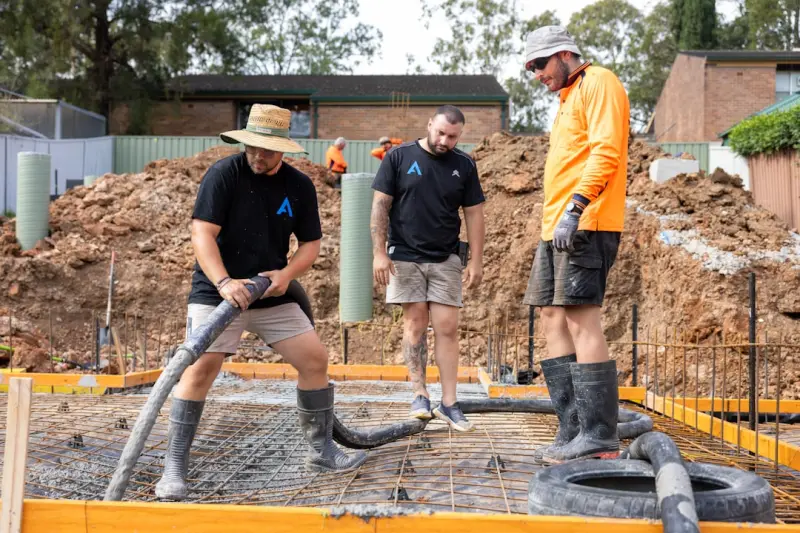
Why Proactive Foundation Repair Is the Unsung Competitive Advantage for Commercial Properties
A deep dive into why treating foundation health as a strategic asset can cut costs, improve tenant s... Read More
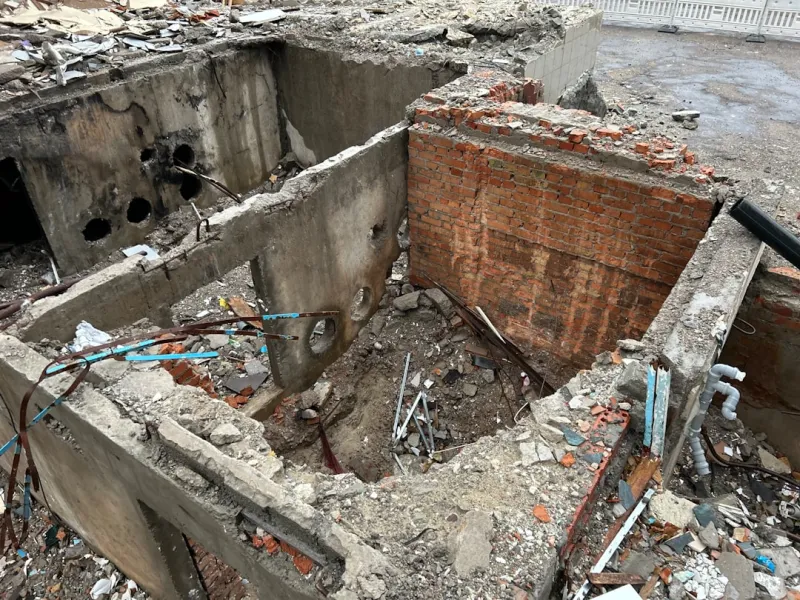
The Interconnection Between Foundation Repair and Sustainable Home Design
Explore the intricate relationship between foundation repair and sustainable home design. Learn how ... Read More
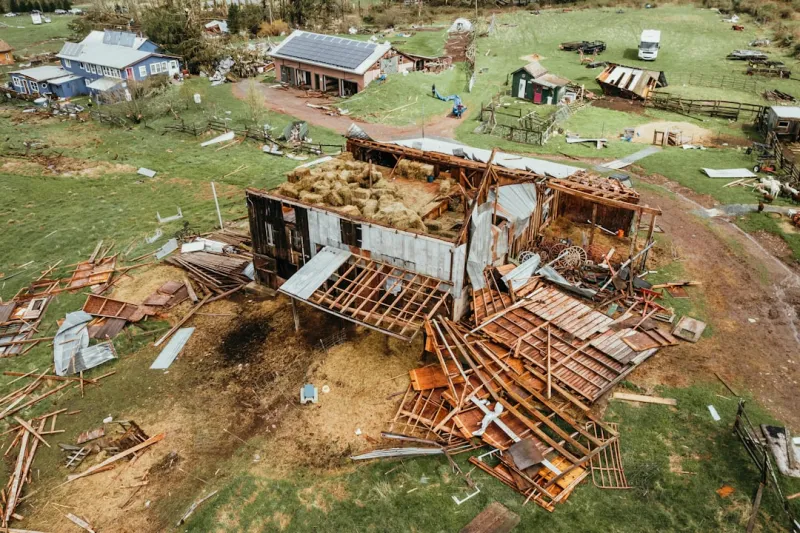
The Importance of Foundation Repair in Sustainable Home Restoration
Foundation repair is crucial for sustainable home restoration. Learn how addressing foundation issue... Read More
Top Posts

Awning Innovation: Turning Shade into Strategic Asset
A modern awning is more than a shade—it's a high‑tech, sustainable platform that reduces cooling loads, generates solar power, and enhances occupant comfort...Read More

Modular Construction: Building Faster, Smarter, and Greener
Modular construction is revolutionizing home building by combining factory precision, AI-driven design workflows, and plug‑and‑play electrical systems to de...Read More

Turning Waste into Resource: Grey‑Water Recycling Strategies for Modern Buildings
Grey‑water recycling transforms bathroom and laundry runoff into a valuable water source, delivering cost savings, sustainability benefits, and future‑proof...Read More

When Windows & Doors Think Like Roommates: AI‑Powered Glazing and Smart Entry
Explore the transformation of windows and doors from static fixtures to intelligent, AI‑controlled portals that enhance energy performance, health, and securi...Read More
0 Comments
Post Comment
You will need to Login or Register to comment on this post!