
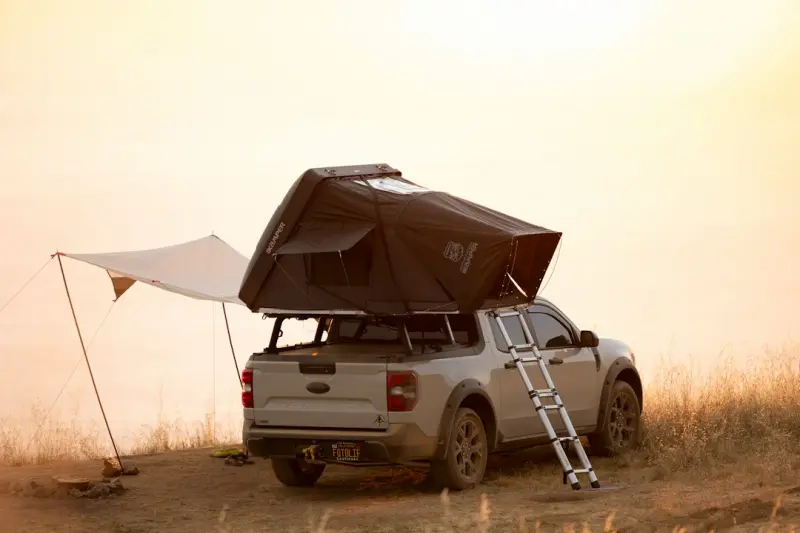
Why Awnings Are the Unsung Heroes of Modern Building Design
When you walk past a storefront or a suburban home, the first thing you notice is often the roofline. Yet, perched just beneath that line, a well‑designed awning can do far more than provide shade. It can act as a climate‑responsive skin, a branding canvas, a renewable‑energy platform, and even a data‑collection point for building managers. In today’s performance‑driven architecture, awnings are evolving from decorative afterthoughts to strategic assets that deliver measurable ROI.
From Rustic Canvas to High‑Tech Fabric: The Material Evolution
Traditional awnings were simple canvas stretched over wooden frames, offering basic protection from sun and rain. Modern iterations, however, leverage advances in polymer science, nanocoatings, and recycled textiles. Polyester‑titanium blends resist UV degradation for up to 25 years, while bio‑based fabrics derived from recycled PET bottles close the loop on material waste.
- UV‑Reflective Coatings: Reduce solar heat gain by up to 30 % without sacrificing natural daylight.
- Self‑Cleaning Surfaces: Nanoparticle treatments cause dust and pollen to slide off, cutting maintenance costs.
- Wind‑Resistant Architecture: Aerodynamic profiles and tensioned membrane systems keep awnings stable in gusts exceeding 70 mph.
The shift to high‑performance fabrics also opens the door to integrating photovoltaic threads, turning a shade structure into a micro‑solar farm. Imagine a café awning that powers its espresso machine while keeping the patio cool.
Dynamic Awnings: When Shade Becomes Smart
Static awnings are great, but dynamic systems take the concept to the next level. By pairing motorized louvres with real‑time weather data, building owners can automate shading based on solar intensity, temperature, or occupancy patterns. The result is a building envelope that reacts rather than merely responds.
Integration is the key. A embedding sensors into awning structures enables the collection of solar irradiance, wind speed, and even foot traffic metrics. This data feeds building management systems (BMS), allowing facility teams to fine‑tune HVAC loads, lighting schedules, and even predictive maintenance for the awning’s moving parts.
- Energy Savings: Automated shading can slash cooling loads by 15–20 % in hot climates.
- Occupant Comfort: Sensors detect glare and adjust louvers to maintain consistent daylight levels, reducing eye strain.
- Extended Lifespan: Real‑time monitoring flags tension loss or motor wear before a failure occurs.
Designing for Flexibility: Awnings as Multi‑Purpose Platforms
Today's designers view awnings as platforms rather than single‑purpose accessories. A well‑planned awning can host signage, digital displays, planters, or even kinetic art. The modular nature of modern frames—often built from anodized aluminum or recycled steel—means components can be swapped out as programmatic needs evolve.
Take the example of a mixed‑use development where the ground floor houses retail and the second floor offers co‑working space. By installing a retractable awning with interchangeable panels, the building can present a bold brand identity during retail hours and transform into a quiet, shaded outdoor lounge for remote workers after hours.
Sustainability Meets Circularity
The construction industry is under pressure to adopt circular economy principles, and awnings are uniquely positioned to contribute. Because many modern awnings use recyclable fabrics and modular frames, they can be disassembled, refurbished, and redeployed elsewhere at the end of their service life. This approach reduces landfill waste and lowers the embodied carbon of new installations.
For developers looking to align with broader sustainability goals, referencing resources like why general contractors should embrace the circular economy can provide a roadmap for incorporating reusable awning components into larger project specifications.
Economic Considerations: Calculating the True Value
Investing in an advanced awning system might seem like an aesthetic upgrade, but the financial upside is compelling when you break down the numbers.
- Reduced HVAC Energy Use: A 10 kW reduction in cooling demand translates to roughly $1,200‑$1,500 in annual utility savings for a mid‑size office.
- Extended Roof Life: By shielding the roof membrane from UV exposure, awnings can add 5–7 years to the roof’s service interval, delaying costly replacements.
- Increased Rental Premium: Commercial tenants often pay a 5 % premium for spaces with outdoor amenities that are usable year‑round.
When these savings are factored against the upfront cost, the payback period for a motorized, sensor‑enabled awning system frequently falls within 3‑5 years, well within the typical asset life of commercial fit‑outs.
Case Study: A Boutique Hotel’s Awning‑Driven Guest Experience
One boutique hotel on the West Coast replaced its static canvas awnings with a kinetic, solar‑integrated system. The new awnings feature:
- Solar‑woven fabric generating 2 kW of power per day.
- IoT‑linked louvres that adjust based on real‑time occupancy data from the lobby.
- LED backlighting that changes hue to signal different service zones (e.g., “breakfast,” “pool,” “event”).
Within six months, the hotel reported a 12 % reduction in cooling costs, a 20 % increase in patio usage during peak summer, and higher guest satisfaction scores tied directly to the “outdoor comfort” metric.
Future‑Proofing with Integrated Design
As we see more buildings adopting smart integration strategies, awnings will naturally become part of that ecosystem. Imagine a scenario where a building’s façade sensors communicate with the awning’s motor controller to coordinate shading across the entire envelope, creating a holistic climate‑control strategy.
Key technology trends to watch:
- Edge Computing: Mini‑PCs mounted on awning frames can process sensor data locally, reducing latency.
- Battery‑Embedded Canopies: Thin‑film lithium‑polymer cells store excess solar energy for nighttime lighting or emergency backup.
- AR‑Enhanced Maintenance: Maintenance staff can point a tablet at an awning, and an augmented‑reality overlay will highlight tension points or motor health indicators.
Design Checklist: What Every Architect and Owner Should Ask
Before committing to an awning solution, run through this quick questionnaire:
- What is the primary performance goal? (e.g., solar shading, branding, renewable energy, or all of the above?)
- Which climate zones will the awning operate in? Consider wind loads, snow accumulation, and UV intensity.
- Do we need motorized operation, and if so, what control protocols (BACnet, Modbus, Zigbee) are compatible with the existing BMS?
- What is the expected service life, and how will components be recycled or refurbished at end‑of‑life?
- Can the awning support ancillary features like signage, planters, or lighting without compromising structural integrity?
Answering these questions early prevents costly redesigns and ensures the awning delivers on its promised benefits.
Conclusion: Elevating the Awning from Afterthought to Asset
In a world where every square foot of building envelope is scrutinized for performance, energy, and experience, awnings deserve a seat at the design table. By embracing advanced materials, sensor integration, and circular‑economy principles, owners can transform a simple shade structure into a multi‑functional, revenue‑generating, sustainability‑driving asset. The next time you pass a storefront, look up—not just at the roof, but at the awning that silently shapes the building’s interaction with light, weather, and people.

Tom Ferguson is a Canadian freelance writer with a passion for storytelling, current events, and thoughtful commentary. Drawing on years of writing experience, he shares engaging insights on a wide range of topics, bringing a uniquely Canadian perspective to his work.
Related Posts

Shade and Strategy: Unleashing the Hidden Power of Modern Awnings
Explore the unexpected advantages of modern awnings, from psychological comfort and energy savings t... Read More
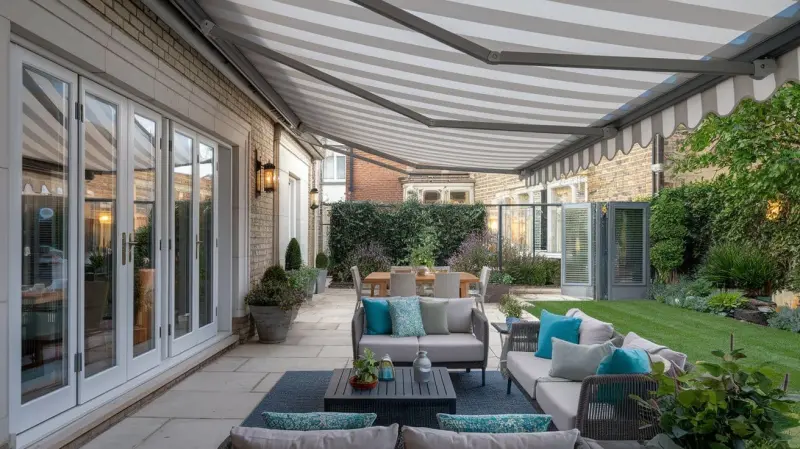
Smart Sustainable Awnings for Outdoor Living
Explore the evolution of awnings into smart, sustainable outdoor skins that generate energy, adapt t... Read More
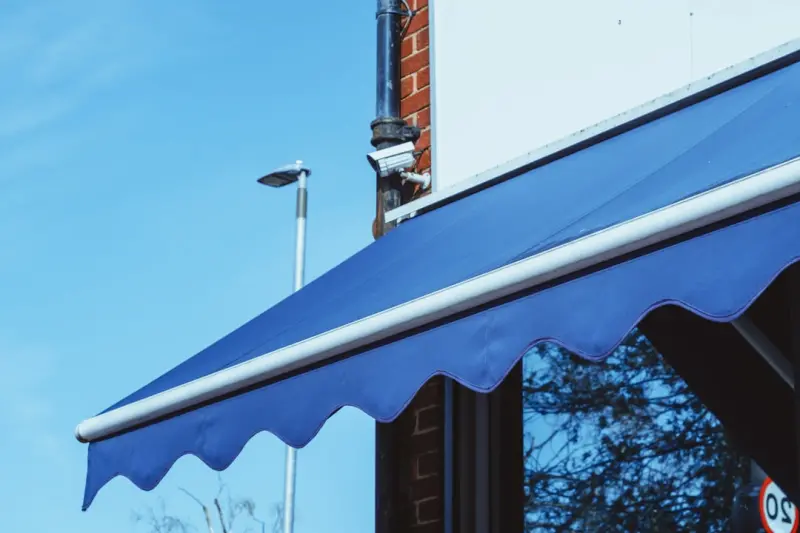
How Awnings Shape Customer Mood and Bottom Line
A well‑designed awning does more than shade a storefront—it influences shopper psychology, reinf... Read More
Top Posts

Designing for Neurodiversity: Crafting Calm, Focused Interiors for Every Brain
A deep dive into neuro‑inclusive design reveals how lighting, acoustics, color, texture, and flexible layouts can create homes that support diverse neurologic...Read More
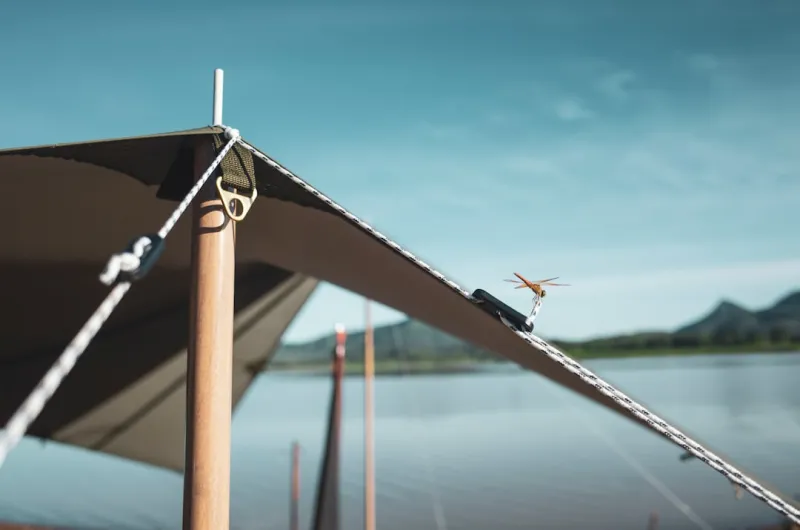
The Sustainable Awning Revolution: A Game-Changer for Eco-Friendly Homes
The sustainable awning revolution is a game-changer for eco-friendly homes. Learn about the environmental benefits, energy efficiency, and cost savings of susta...Read More

Green Snow Removal: Sustainable Strategies for a Cleaner Winter
Learn how to replace toxic salts with greener alternatives, use heat and smart tech, and collaborate with neighbors for a sustainable, hassle‑free winter....Read More

From Scrap to Spotlight: Crafting Upcycled Wood Masterpieces
A deep‑dive into the art of upcycling vintage timber, offering practical sourcing tips, hand‑tool restoration methods, modular design ideas, and business st...Read More
0 Comments
Post Comment
You will need to Login or Register to comment on this post!