

Why Data Is the New Hammer in Furniture Restoration
When I first picked up a sandpaper‑stained chair in my tiny studio, I thought the biggest challenge would be the stubborn finish. Turns out, the real game‑changer is information. By marrying the tactile intuition of a craftsperson with the precision of data analytics, we can revive pieces faster, greener, and with a story that sells itself.
The Old School Toolbox vs. The Modern Data Suite
Traditional restoration relies on a seasoned eye: noticing wood grain, feeling moisture levels, and guessing the right finish based on decades of trial and error. That intuition is priceless, but it’s also limited by human memory and the variability of each piece.
Enter the data‑driven toolbox—portable moisture meters, spectroscopic scanners, and cloud‑based condition logs that capture every variable from humidity spikes to previous repair attempts. By cataloguing these metrics, we create a digital fingerprint for each item.
Step‑One: Scan, Record, & Analyze
- 3‑D Scanning: Hand‑held LiDAR devices map the exact dimensions of a chair, table, or cabinet. The resulting model flags warps, missing joints, and surface irregularities that the naked eye can miss.
- Material Spectroscopy: A quick scan identifies the original wood species, any previous stains, and even hidden adhesives. This prevents the costly mistake of applying a finish that reacts poorly with legacy chemicals.
- Environmental Logging: Sensors placed in the workshop track temperature, humidity, and airflow. Over weeks, patterns emerge that tell you when wood is most receptive to repair versus when it’s prone to cracking.
All of this data lands in a simple dashboard—think of it as a Predictive Maintenance hub for furniture. The software suggests the optimal sanding grit, drying time, and finish type based on historical outcomes.
Step‑Two: The Science of Finish Selection
Choosing a finish used to be a gut call: “I’ve always liked this amber tone on walnut.” Today, the dashboard cross‑references the wood’s spectroscopic profile with a library of over 3,000 finishes, highlighting those that achieve the desired hue while maintaining structural integrity. It even flags finishes that contain volatile organic compounds (VOCs) that could jeopardize indoor air quality—a growing concern for both residential and commercial clients.
Step‑Three: Smart Application Techniques
Data doesn’t stop at selection. Sensors attached to spray guns record pressure, distance, and overlap. The system alerts you in real time if you’re deviating from the optimal spray pattern, ensuring a uniform coat every time. This reduces the number of coats needed, cuts down on waste, and shortens turnaround.
Case Study: Turning a Forgotten Dresser into a Showpiece
Last month I rescued a six‑drawer cedar dresser that had been stored in a damp attic for decades. Here’s how the data workflow transformed it:
- Initial Scan: 3‑D mapping revealed a 2‑mm twist in the top drawer’s front panel—something I would have missed with a visual inspection.
- Moisture Readings: The wood’s core moisture sat at 18%, well above the ideal 8‑10% for refinishing. The dashboard recommended a 48‑hour conditioning cycle in a dehumidified chamber.
- Finish Simulation: Spectroscopy identified a lingering oil‑based varnish. The software suggested a water‑based polyurethane that would bond better and meet low‑VOC standards.
- Application: Smart spray sensors logged a perfect 20‑psi output, delivering a flawless coat in half the usual time.
- Outcome: The dresser sold for 30% above market value, and the client praised the “heritage feel” combined with “modern durability.”
Why This Matters for Sustainability
Every piece we restore instead of discard is a direct reduction in landfill waste and a cut in the demand for newly harvested timber. When you pair data‑driven precision with Foundations Reimagined thinking, the environmental impact multiplies.
- Reduced Material Waste: Accurate measurements mean you only purchase the exact amount of filler, veneer, or hardware needed.
- Energy Efficiency: Faster drying cycles, fewer finish coats, and optimal climate control lower the workshop’s energy footprint.
- Extended Product Life: Data‑backed repairs address root causes—like hidden moisture—ensuring the piece lasts longer than a typical “quick fix.”
Monetizing the Data Edge
Clients—especially boutique hotels, co‑working spaces, and high‑end retailers—are willing to pay premium for provenance and performance. By documenting each restoration step in a shareable PDF, you provide a transparent story that justifies a higher price point.
Additionally, the data you accumulate becomes a valuable asset. Over time, you can develop a proprietary Restoration Index that predicts resale value based on material, condition, and finish. This index can be marketed as a consulting service for other restorers or even for insurance assessors evaluating antique assets.
Overcoming the Learning Curve
Adopting this tech isn’t a “buy‑once‑and‑forget” deal. Here are three practical steps to ease the transition:
- Start Small: Invest in a handheld moisture meter and a basic 3‑D scanner. Both devices have mobile apps that sync data automatically.
- Leverage Free Platforms: Many cloud‑based dashboards offer a free tier for up to 50 logged items—perfect for a solo restorer.
- Partner with Tech‑Savvy Apprentices: Bring in a junior who’s comfortable with data visualization. Their fresh perspective often uncovers workflow efficiencies you might overlook.
Future Glimpses: AI‑Guided Restoration
Imagine uploading a photo of a distressed oak table and receiving a step‑by‑step repair plan generated by an AI trained on thousands of successful restorations. That future is nearer than you think, especially as the same AI engines powering AI‑Powered Command Centers are being adapted for craft industries.
When those algorithms learn to recognize patterns—like recurring nail hole placements in mid‑century modern chairs—they’ll suggest pre‑emptive reinforcements, turning reactive fixes into proactive preservation.
Conclusion: Embrace the Numbers Without Losing the Soul
Furniture restoration has always been a marriage of art and science. By inviting data into the workshop, we don’t replace the artisan’s intuition; we amplify it. The result is faster turnarounds, greener practices, and pieces that tell a richer story—one that can be quantified, shared, and, ultimately, celebrated.

Kelly Reynolds is a dynamic freelance writer hailing from the picturesque landscapes of Alberta. A master of the written word, she juggles her passion for storytelling with the exhilarating chaos of being a mother to five spirited children. With an impressive portfolio that spans various genres, Kelly captivates readers through her engaging blog posts and thought-provoking articles.
Related Posts
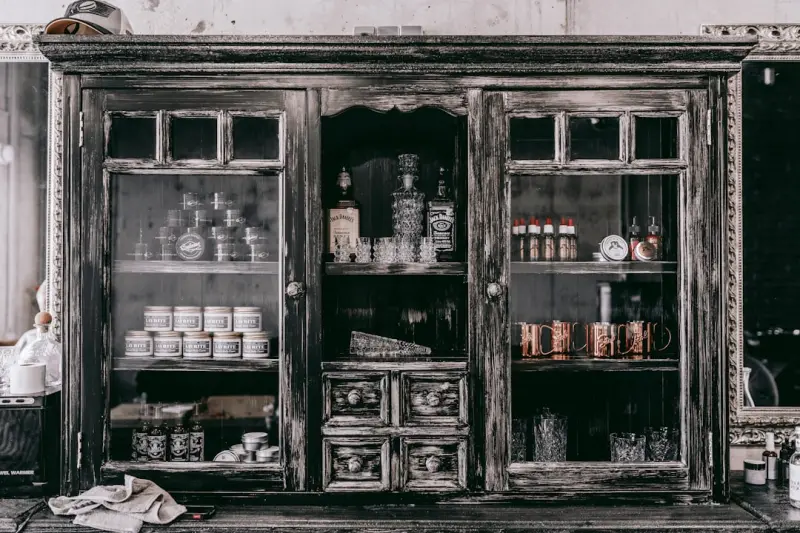
Restoring Office Furniture: A Strategic Path to Sustainable Growth
Restoring office furniture isn’t just a DIY trend—it’s a strategic lever that reduces expenses... Read More
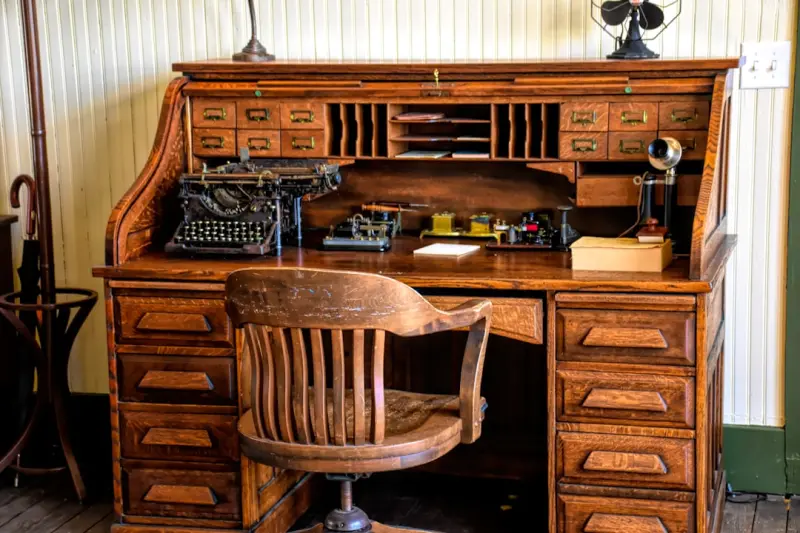
Reviving Vintage Office Furniture: A Competitive Advantage
Restoring vintage office furniture isn’t just about saving money—it strengthens brand narrative,... Read More
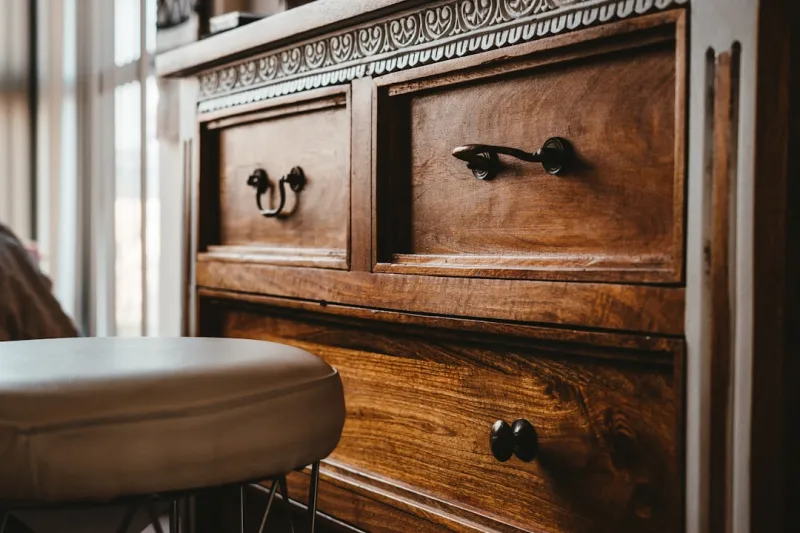
The Sustainable Revival of Furniture Restoration
Furniture restoration is an art form that requires patience, skill, and a deep understanding of mate... Read More
Top Posts

Waterproofing Reimagined: How Sensors and Lifecycle Planning Cut Costs
A deep dive into sensor‑enabled waterproofing reveals how real‑time data, predictive maintenance, and integrated building platforms turn water protection fr...Read More
The Hidden Power of Clean Ducts: A Homeowner’s Guide to Health, Efficiency, and Longevity
Explore the unseen benefits of clean ductwork—from healthier breathing to lower energy bills—and get expert advice on spotting signs, DIY checks, and select...Read More

Smart Home Hacks: Everyday Tweaks That Transform Comfort and Efficiency
Learn how simple, low‑cost adjustments in lighting, storage, and ventilation can dramatically improve comfort, cut energy use, and streamline daily home routi...Read More
Silent Sentinels: Redefining Home Security with Low‑Profile Alarm Systems
Explore the rise of silent home alarms—discreet, design‑friendly, and tech‑savvy solutions that keep homes safe without shouting for attention. From hidde...Read More
0 Comments
Post Comment
You will need to Login or Register to comment on this post!