

From Lawn to Larder: Turning Your Yard into a Year‑Round Food Source
When I first inherited my parents’ suburban lot, I stared at the perfectly manicured lawn and felt an odd mix of admiration and frustration. The grass was immaculate, but the space was a blank canvas—one that could feed a family, support pollinators, and even increase property value. That realization sparked a personal experiment: edible landscaping. Over the past few years I’ve blended aesthetics with nutrition, and the results have been so compelling that I’m convinced more homeowners should consider this approach.
Why Edible Landscaping Deserves a Spot in Your Design Playbook
Traditional landscaping often treats the yard as a decorative backdrop, a place to showcase ornamental shrubs, decorative stone, and a carpet of turf. While visually pleasing, that model rarely contributes to the household’s bottom line beyond curb appeal. Edible landscaping, on the other hand, adds functional value without sacrificing beauty. Here’s why it matters:
- Economic ROI: Homeowners can offset grocery bills by harvesting fruits, vegetables, and herbs right from their backyards.
- Environmental Impact: Locally grown produce reduces food miles, and diversified plantings improve soil health and biodiversity.
- Well‑being Boost: Studies link gardening with lower stress, better mental health, and increased physical activity.
- Market Appeal: A property that showcases a thriving edible garden can stand out in real‑estate listings, appealing to eco‑conscious buyers.
In short, edible landscaping is a win‑win for wallets, the planet, and personal health.
Getting Started: The Three‑Phase Blueprint
My approach is simple: Assess, Design, Implement. This three‑phase blueprint keeps the project manageable and ensures each step builds on the last.
Phase 1 – Assess Your Site’s Potential
Before planting, I conduct a quick site audit. I look at sun exposure, soil type, drainage, and existing hardscape. A handy way to visualize this is by drawing a sun‑path diagram on graph paper or using a free mobile app that tracks solar angles throughout the year.
Key questions to answer:
- Which zones receive full sun (6+ hours), partial shade, or full shade?
- Is the soil heavy clay, loamy, or sandy? Do I need to amend it with compost or gypsum?
- Are there low‑lying areas that retain water after rainstorms?
Understanding these variables helps you match crops to micro‑climates, ensuring higher yields and less frustration.
Phase 2 – Design with Dual Purpose in Mind
The design stage is where aesthetics meet productivity. I start by sketching a layout that weaves edible beds into existing visual elements. Here are a few tricks I’ve refined:
- Layered Planting: Place taller fruit trees or dwarf varieties at the back, medium‑height shrubs like currants in the middle, and low‑lying herbs and salad greens at the front. This mimics a natural forest understory and maximizes vertical space.
- Edible Borders: Replace ornamental hedges with rosemary, lavender, or thyme. These plants are both fragrant and attractive while serving culinary functions.
- Pathway Integration: Design stepping stones that lead directly to harvest zones, encouraging frequent visits and making the garden feel like an extension of indoor living spaces.
When you blend function with form, the result feels intentional rather than “just a vegetable patch”. If you’re looking for inspiration on integrating sustainability into design, you might enjoy reading about climate‑smart landscaping—the principles overlap nicely with edible gardening.
Phase 3 – Implementation and Ongoing Care
With a plan in hand, it’s time to get your hands dirty. I recommend a phased rollout:
- Soil Preparation: Till the top 12‑18 inches, incorporate organic compost, and run a simple soil test (available at most garden centers) to gauge pH and nutrient levels.
- Plant Selection: Choose varieties suited to your climate zone. Heirloom tomatoes, bush beans, and kale are reliable starters. For perennials, consider rhubarb, asparagus, and fruiting shrubs.
- Mulching: Apply a 2‑inch layer of organic mulch to suppress weeds, retain moisture, and feed the soil as it breaks down.
- Irrigation Strategy: Install drip lines or soaker hoses that target the root zones directly. This reduces water waste and keeps foliage dry, lowering disease risk.
Maintenance is a habit, not a chore. Weekly checks for pests, consistent watering during dry spells, and seasonal pruning keep the garden productive. For those interested in a data‑driven approach, consider exploring data‑driven tree care tools that monitor moisture levels and growth metrics.
Choosing the Right Edible Plants for Different Landscapes
Every yard is unique, but certain plants adapt well to a range of conditions. Below is a quick guide tailored to four common yard scenarios.
1. Sun‑Soaked Front Lawns
Full‑sun zones are perfect for:
- Fruit Trees: Dwarf apple, peach, or plum varieties. Choose grafted dwarf rootstocks for manageable size.
- Berry Bushes: Blackberries, raspberries, and blueberries thrive in sunny spots with well‑drained soil.
- Herb Borders: Basil, oregano, and sage not only add flavor but also emit pleasant aromas that enhance curb appeal.
2. Shaded Backyards
Even shade can be productive with shade‑tolerant edibles:
- Leafy Greens: Spinach, Swiss chard, and arugula grow quickly in partial shade.
- Root Crops: Beets, carrots, and radishes can handle filtered light.
- Perennial Herbs: Mint and lemon balm will spread, so contain them in raised beds or pots.
3. Small Urban Patios
Limited square footage calls for vertical solutions:
- Container Tomatoes: Choose determinate varieties and stake them against a trellis.
- Hanging Baskets: Strawberries and trailing herbs make great hanging garden accents.
- Wall‑Mounted Planters: Use modular pockets for herbs, salad greens, and even dwarf peppers.
4. Large Suburban Estates
Space is abundant, so think bigger:
- Orchard Sections: Plant a mix of fruit trees spaced 15‑20 feet apart for a low‑maintenance mini‑orchard.
- Polyculture Beds: Combine nitrogen‑fixing legumes (e.g., peas) with fruiting plants to create a self‑sustaining ecosystem.
- Food Forest: Mimic natural forest layers—canopy, understory, shrub, herb, and root zones—for a resilient, low‑input system.
Harvesting the Hidden Value: From Soil Health to Property Appraisal
Beyond the obvious culinary benefits, edible landscaping delivers hidden financial upside. Here’s how:
Soil Health as an Asset
Organic matter builds soil structure, increases water retention, and reduces the need for synthetic fertilizers. Healthier soil means lower maintenance costs and a longer lifespan for the landscape. Some municipalities even offer tax incentives for properties that demonstrate sustainable soil management practices.
Enhanced Curb Appeal
A well‑designed edible garden can be a visual focal point. A tidy row of fruit trees, a mosaic of herb planters, and a blooming raspberry archway create texture and color that stand out in real‑estate photos. Buyers increasingly value homes that showcase sustainability and self‑sufficiency.
Data‑Backed Valuation
If you’re selling, consider commissioning a professional landscape appraisal. Appraisers now factor in functional landscaping—the ability of the property to produce food, conserve water, and support biodiversity. This can add several thousand dollars to a home’s market value, especially in eco‑aware regions.
Integrating Technology Without Overcomplicating
Tech enthusiasts may wonder how to blend smart tools with a garden that feels natural. The key is to use technology as a silent helper, not a focal point.
- Smart Irrigation Controllers: Devices that adjust watering schedules based on real‑time weather data prevent over‑watering and conserve resources.
- Soil Moisture Sensors: Insert a few probes into representative beds; the data syncs to a phone app that alerts you when soil dries below a set threshold.
- Garden Management Apps: Track planting dates, harvest yields, and pest incidents. Over time, these logs become a valuable reference for planning successive seasons.
While it’s tempting to go all‑in on automation, remember that the garden’s charm lies in its organic rhythm. Use tech to eliminate guesswork, not to replace the tactile joy of feeling soil between your fingers.
Seasonal Calendar: What to Plant and When
Planning ahead ensures you always have something growing. Below is a simplified seasonal calendar for temperate climates (adjust dates according to your local zone).
| Season | Key Plantings | Maintenance Focus |
|---|---|---|
| Early Spring | Peas, spinach, radishes, strawberry runners | Soil amendment, mulching, pest scouting |
| Late Spring | Tomatoes, peppers, basil, cucumbers | Stake support, consistent watering, fertilization |
| Summer | Summer squash, beans, kale, rosemary | Weed control, mulching, harvest monitoring |
| Fall | Garlic cloves, carrots, Brussels sprouts, fruit tree pruning | Leaf litter mulching, soil testing, preparing beds for winter |
| Winter | Cover crops (e.g., winter rye), indoor herb gardening | Protect perennials, plan next season’s layout |
Following this rhythm minimizes gaps in production and keeps the garden visually vibrant year‑round.
Common Pitfalls and How to Avoid Them
Every gardener hits a few bumps early on. Here are the most frequent mistakes I’ve seen, plus practical solutions.
- Planting Too Densely: Overcrowding reduces airflow, leading to disease. Use the recommended spacing on seed packets, and remember that mature plants need room to expand.
- Ignoring Soil pH: Certain edibles (especially blueberries) require acidic soils. Test pH and amend with elemental sulfur or lime as needed.
- Neglecting Crop Rotation: Repeating the same family in the same spot depletes nutrients and invites pests. Rotate legumes, brassicas, and nightshades each season.
- Over‑Watering: Even drought‑tolerant plants can rot if waterlogged. Adopt drip irrigation and rely on soil moisture sensors for accuracy.
Bringing the Whole Family Into the Garden
One of the most rewarding aspects of edible landscaping is the sense of shared purpose it creates. In my household, the kids have a “harvest calendar” on the fridge, and each member earns a “chef’s badge” for cooking a meal with garden produce. Here are three ideas to involve every age group:
- Kid‑Sized Plots: Give children a small raised bed where they can grow fast‑maturing crops like radishes or lettuce.
- Cooking Nights: Choose a harvested ingredient each week and make a family dinner around it.
- Garden Journaling: Encourage older kids to record growth data—height, leaf count, pest observations—which can be turned into a simple data set for school projects.
Wrapping Up: The Long‑Term Vision
Edible landscaping is more than a trend; it’s a shift toward holistic living where the boundaries between indoor and outdoor spaces blur. By thoughtfully assessing site conditions, designing with dual aesthetics and productivity, and leveraging modest technology, you can create a garden that feeds both body and wallet.
If you’re ready to take the first step, start small—perhaps a herb border or a single dwarf fruit tree. Watch it grow, learn from each season, and gradually expand. Over time, you’ll find that the garden becomes a living ledger of savings, wellness, and community pride.
Happy planting!

Tom Ferguson is a Canadian freelance writer with a passion for storytelling, current events, and thoughtful commentary. Drawing on years of writing experience, he shares engaging insights on a wide range of topics, bringing a uniquely Canadian perspective to his work.
Related Posts
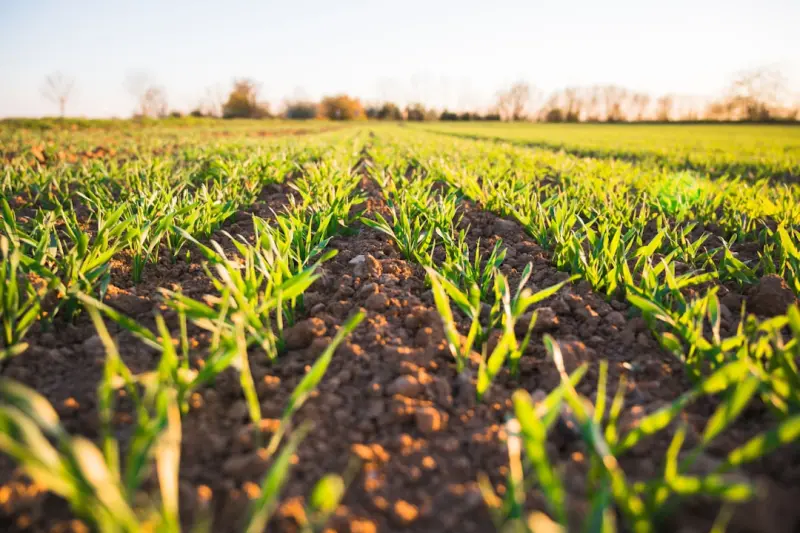
Cultivating Intelligent Landscapes: How Data and Soil Science Redefine Outdoor Spaces
A deep dive into the emerging world of intelligent landscaping, where soil sensors, AI plant selecti... Read More
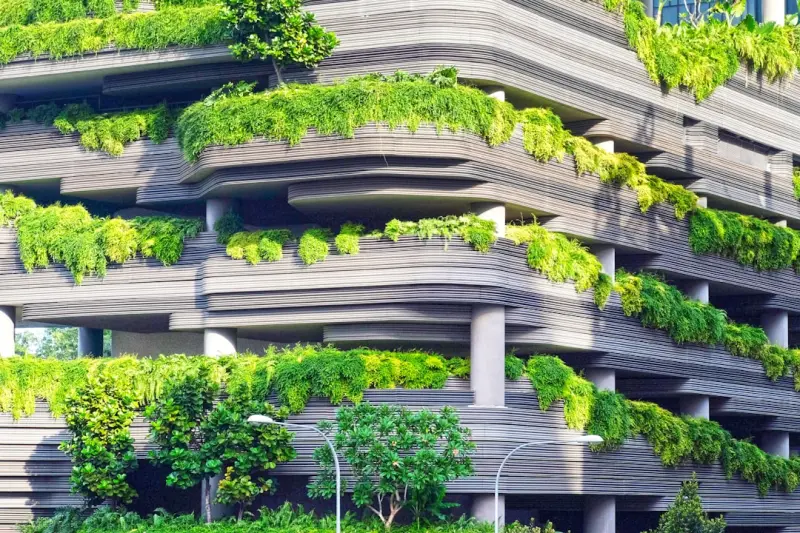
Urban Micro‑Gardens: Maximizing Green Space on Small Balconies
Learn to transform a modest balcony into a vibrant micro‑garden using smart containers, sustainabl... Read More

Regenerative Landscaping: Building a Living, Food‑Rich Garden That Works With Nature
Learn to redesign your yard with regenerative practices—soil building, native planting, rain garde... Read More
Top Posts

The Evolution of Roofing: Sustainable Solutions for a Greener Tomorrow
The roofing industry has undergone a significant transformation, prioritizing sustainability and environmental responsibility. Learn about the evolution of roof...Read More
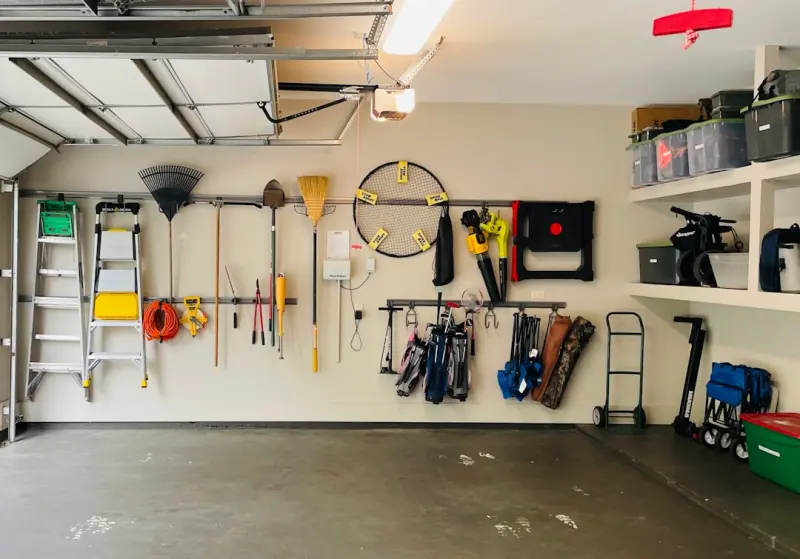
Revamping the Garage: A Sustainable, Multi‑Purpose Home Hub
Discover how to turn a traditional garage into a versatile, energy‑efficient hub for work, fitness, hobbies, and renewable power—without relying on gimmicky...Read More

Data‑Driven Furniture Restoration: Turning Tradition into Tech‑Powered Upcycling
Discover how leveraging data, 3‑D scanning, and smart finishes can transform traditional furniture restoration into a sustainable, high‑value craft that ble...Read More

Smart Awnings: Harnessing Technology for Year‑Round Outdoor Comfort
Explore the evolution of awnings—from manual shades to IoT‑enabled canopies—offering year‑round comfort, energy savings, and stylish outdoor integration...Read More
0 Comments
Post Comment
You will need to Login or Register to comment on this post!