
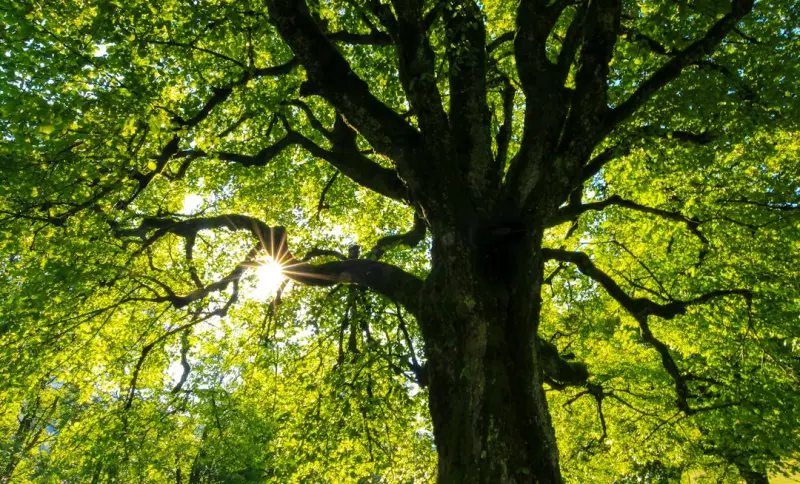
When I first stepped onto a city street lined with mature oaks, the canopy felt like a living data center—each leaf a sensor, each root a conduit for hidden insights. Over the past decade, my role as a tree‑care strategist has shifted from pruning with shears to pruning with algorithms. This evolution isn’t about replacing the art of arboriculture; it’s about amplifying it with data, community intelligence, and a forward‑thinking mindset that treats trees as critical infrastructure.
The Paradigm Shift: From Aesthetic Asset to Smart Asset
For too long, urban trees were valued primarily for their aesthetic appeal or their ability to provide shade on a hot afternoon. While those benefits remain essential, they no longer capture the full spectrum of value that modern technology can unlock. By integrating sensors, satellite imagery, and predictive analytics, municipalities can now quantify a tree’s contribution to air quality, stormwater mitigation, and even property values with unprecedented precision.
Think of a city’s canopy as a distributed network of natural processors. Each tree captures carbon, filters pollutants, and reduces the urban heat island effect. When we attach low‑cost IoT devices to monitor moisture levels, leaf chlorophyll, and growth rates, we create a living dashboard that tells us exactly where resources are needed, where risks are emerging, and where investment will yield the highest return.
Why Data Matters: Tangible Benefits for Stakeholders
- Cost Savings – Predictive maintenance prevents costly emergency removals. Early detection of pest infestations can reduce pesticide use by up to 30%.
- Public Health – Real‑time air quality mapping linked to tree health helps city planners allocate green spaces where they can most improve respiratory health.
- Climate Resilience – Detailed water‑absorption metrics enable smarter stormwater management, lowering flood risk in vulnerable neighborhoods.
- Economic Uplift – Studies show that properties adjacent to healthy trees can command up to 15% higher market values.
These numbers aren’t abstract; they’re the language that city councils, developers, and community groups speak. By translating the silent work of trees into concrete data points, we give decision‑makers the evidence they need to fund and protect urban forestry.
Building the Data Pipeline: From Sensors to Insights
Creating a robust data pipeline for tree care involves three core steps:
- Data Capture – Install moisture probes, dendrometers, and multispectral cameras on a representative sample of trees. Satellite platforms like Planet or Sentinel can supplement ground data with canopy‑level imagery.
- Data Integration – Consolidate sensor feeds into a central GIS‑enabled database. Platforms such as ArcGIS or open‑source alternatives like QGIS allow you to layer tree health data with land‑use maps, utility lines, and demographic information.
- Analytics & Action – Deploy machine‑learning models to predict stress events, estimate growth trajectories, and flag anomalies. Dashboard tools then translate these insights into actionable work orders for arborists.
While the technology sounds sophisticated, many municipalities are starting with pilot projects that cost less than a coffee per tree per month. The key is to begin small, demonstrate ROI, and scale gradually.
Community‑Powered Data: Harnessing Local Knowledge
Data doesn’t have to come solely from high‑tech devices. Engaging residents through citizen‑science platforms can dramatically expand coverage. Apps that let volunteers report tree conditions—such as dead limbs, visible pests, or unusual leaf discoloration—feed directly into the central system. This crowdsourced layer adds a human context that sensors alone can’t capture.
When I organized a Tree‑Watch program in a mid‑size city, participation surged after we linked reporting to a local rewards program. Residents earned points redeemable at neighborhood cafés, and the city gained a richer, real‑time picture of tree health across districts.
Integrating Tree Care with Broader Smart‑City Initiatives
Tree health is most powerful when it’s not an isolated project but part of a holistic smart‑city strategy. Here are three ways to weave arboreal intelligence into existing initiatives:
- Smart Water Management – Pair moisture sensor data with smart gutter systems to create a closed‑loop irrigation network. When sensors detect low soil moisture, the system can trigger targeted watering, conserving water and protecting roots.
- Micro‑Zoning for Climate Adaptation – Use detailed canopy maps alongside micro‑zoning strategies to identify microclimates within neighborhoods. Plant drought‑tolerant species in heat‑prone zones and moisture‑loving varieties in cooler pockets, optimizing the ecosystem for each micro‑zone.
- Energy Efficiency – Align tree planting with solar panel installations. Strategic tree placement can shade roofs in summer, reducing cooling loads, while preserving solar access during winter months.
Case Study: A Data‑First Approach in Action
In a coastal municipality facing rising sea levels, we launched a pilot that combined tide‑level sensors, soil moisture probes, and drone‑based canopy assessments. The integrated platform identified a cluster of 45 trees whose roots were compromising a vulnerable storm‑drain. By proactively pruning and reinforcing those trees, the city avoided a projected $250,000 flood mitigation cost.
Beyond the financial payoff, the project fostered community pride. Residents saw tangible proof that their urban forest was a frontline defender against climate threats, and they rallied behind a subsequent tree‑planting campaign that added 120 native species to the shoreline buffer.
Overcoming Common Barriers
Adopting a data‑driven tree care model isn’t without challenges. Below are the most frequent obstacles and practical ways to navigate them:
- Funding Constraints – Leverage public‑private partnerships. Companies looking to boost their ESG credentials can sponsor sensor installations in exchange for branding on public dashboards.
- Data Silos – Foster inter‑departmental collaboration. Create a cross‑functional task force that includes parks, public works, utilities, and IT to ensure data sharing protocols are established from day one.
- Technical Expertise – Partner with universities or tech incubators. Many research labs are eager to test new sensor technologies on real‑world trees, offering expertise at reduced cost.
- Community Trust – Maintain transparency. Publish open dashboards showing tree health metrics and explain how the data informs maintenance decisions.
Future Outlook: Trees as Living Infrastructure
The next decade will likely see trees embedded directly into the fabric of smart cities. Imagine sidewalks equipped with embedded moisture sensors that automatically adjust irrigation, or streetlights that draw power from the bio‑energy generated by tree root systems. While some of these concepts remain speculative, the trajectory is clear: trees will transition from passive landscaping elements to active, data‑rich infrastructure components.
As we continue to blend tradition with technology, the role of the arborist evolves too. We become data interpreters, community facilitators, and strategic planners—all while still wielding the timeless tools of pruning shears and a deep respect for the natural world.
Getting Started: A Blueprint for Municipal Leaders
- Audit Existing Assets – Map every public tree, noting species, size, and health status.
- Define Metrics – Choose key performance indicators (KPIs) such as canopy cover percentage, water usage per tree, and pest incidence rates.
- Pilot Sensor Deployment – Select a high‑visibility neighborhood to install a small network of sensors. Use the pilot to refine data collection and analysis workflows.
- Engage the Community – Launch a citizen‑science app and promote participation through local events and incentives.
- Integrate with City Platforms – Connect tree data to existing GIS and asset‑management systems to ensure seamless workflow integration.
- Scale and Iterate – Expand the sensor network citywide, continuously refine predictive models, and report outcomes to stakeholders.
By following this roadmap, cities can transform their urban forest from a static backdrop into a dynamic, measurable asset that drives sustainability, resilience, and economic vitality.
In the end, the true power of data‑driven tree care lies not just in numbers, but in the stories those numbers tell about our relationship with nature. When we listen, we discover that every leaf, every root, and every branch has a role to play in the future of our cities.

Kelly Reynolds is a dynamic freelance writer hailing from the picturesque landscapes of Alberta. A master of the written word, she juggles her passion for storytelling with the exhilarating chaos of being a mother to five spirited children. With an impressive portfolio that spans various genres, Kelly captivates readers through her engaging blog posts and thought-provoking articles.
Related Posts
The Future of Tree Care: Data, Drones, and Decentralized Stewardship
A deep dive into how modern technology—drones, IoT sensors, and AI—is revolutionizing tree care,... Read More

Listening to Leaves: Data‑Driven Tree Care for Urban Landscapes
Kelly Reynolds shares how modern sensors, drones, and data analytics are revolutionizing tree care, ... Read More
Smart Tree Care: Tech Strategies for Healthy Urban Forests
A deep dive into how data‑driven tools—sensors, drones, and analytics—are revolutionizing urba... Read More
Top Posts
Radiant Floor Heating: Unexpected Health Benefits You’re Missing
Explore the hidden health advantages of radiant floor heating—from better circulation and skin hydration to deeper sleep and cleaner air—plus practical tips...Read More

Designing Spaces That Breathe: A Multisensory Approach to Modern Interiors
Discover a fresh interior design philosophy that blends nature, color psychology, smart lighting, and adaptable furniture to craft spaces that engage sight, tou...Read More
Cultivating the Future: How Soil Microbiomes Are Redefining Lawn Care
A fresh look at lawn care focuses on the underground world of bacteria and fungi, showing how compost tea, smart watering, and native grasses can transform any ...Read More

Predictive Foundation Repair: How AI Is Changing the Way We Fix Foundations
Learn why treating foundations as data‑driven assets can cut repair costs, reduce downtime, and boost sustainability, with a practical roadmap for implementat...Read More
0 Comments
Post Comment
You will need to Login or Register to comment on this post!