
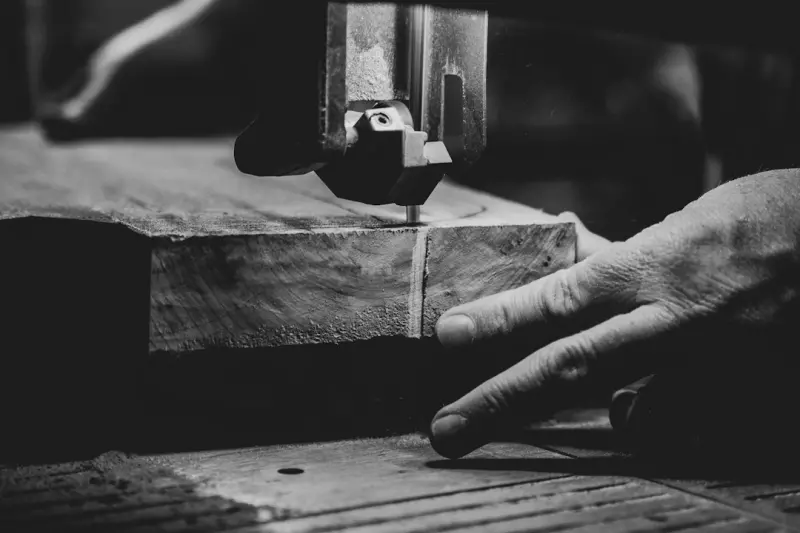
From Tree to Timeless Piece: Redefining Woodworking Craftsmanship
When I first picked up a hand‑plane in my grandfather’s workshop, the scent of fresh shavings felt like a secret handshake with the forest itself. That moment sparked a lifelong curiosity about how raw timber can be coaxed into objects that outlast trends, technology, and even the hands that shaped them. Today, the world of woodworking stands at a crossroads: mass‑produced components race toward efficiency, while a quiet cadre of makers insists on preserving the tactile dialogue between grain and tool. This article explores the emerging philosophies, practical techniques, and sustainable mindsets that are reshaping the craft for the next generation of artisans.
The Philosophy of “Material First” Design
For centuries, the dominant design mindset has been “form follows function.” In modern workshops, that credo has morphed into “function follows form,” where computer‑generated models dictate every cut. While digital precision offers undeniable benefits, it can also mute the subtle cues a piece of wood gives you—its natural curvature, hidden knots, and seasonal stress patterns. A material‑first approach flips the script: you begin with the board, let its character inform the design, and only then bring tools to bear.
- Read the grain. Before you even draw a line, run your fingers along the surface. Notice how the grain spirals, how it reacts to light, and where the moisture content shifts. These observations become the blueprint.
- Embrace imperfections. A knot isn’t a flaw; it’s a storytelling element. Use it as a focal point, or carve around it to create tension that draws the eye.
- Scale with purpose. Choose dimensions that respect the wood’s inherent strength. A board that’s too thin may split, while an overly massive piece can feel cumbersome.
Adopting this mindset not only yields more authentic pieces but also reduces waste. When the design is rooted in the material, you’re less likely to discard off‑cuts, and those remnants can become secondary projects—think dovetail puzzles or inlay accents.
Hand Tools in a Digital Age
There’s a romantic notion that hand tools belong to a bygone era, yet the reality is far more nuanced. Modern makers are discovering that a well‑maintained hand plane, a set of precision chisels, and a reliable marking gauge can coexist with CNC routers and laser cutters, each serving distinct roles.
Consider the hand‑plane. Unlike a CNC machine that removes material uniformly, a plane lets you feel resistance, adjust depth on the fly, and sculpt subtle bevels that a digital tool would miss. The tactile feedback can be a source of creative inspiration—an unexpected dip in resistance might prompt a new decorative groove.
Similarly, a digital woodworking wave often relies on CAD files that assume perfect, defect‑free stock. When you bring hand‑finished elements into the mix, you introduce character that software can’t replicate. The key is integration: use CNC for repetitive, high‑precision cuts, then finish by hand to inject personality.
Sustainable Sourcing: From Forest Stewardship to Urban Salvage
Environmental stewardship is no longer a niche concern; it’s a core principle for responsible makers. Sustainable sourcing can be broken down into three tiers:
- Certified timber. Look for Forest Stewardship Council (FSC) or Programme for the Endorsement of Forest Certification (PEFC) labels. These certify that the wood comes from responsibly managed forests.
- Reclaimed lumber. Old barns, decommissioned shipping pallets, and even discarded furniture can provide seasoned wood with unique patinas. The seasoning process is already complete, meaning less energy spent on kilns.
- Urban salvage. Demolition sites often contain structural beams and planks that are too valuable to waste. Partner with local contractors to acquire these materials before they hit the landfill.
When you integrate reclaimed pieces, you also inherit their history. A beam that once supported a 19th‑century factory carries stories that can become a conversation starter in the final product. Moreover, using salvaged wood dramatically reduces the carbon footprint associated with new lumber production.
Advanced Joinery: Honoring Tradition While Embracing Innovation
Joinery is the soul of woodworking. While mortise‑and‑tenon, dovetail, and finger joints have been honed over centuries, contemporary makers are experimenting with hybrid techniques that blend tradition with modern precision.
One emerging method is laser‑etched mortises. By using a low‑power laser cutter to outline a mortise on a board, you create a visual guide that allows you to chisel with unprecedented accuracy. The result is a joint that retains the hand‑crafted feel but benefits from the repeatability of digital tools.
Another technique gaining traction is adhesive‑free dovetailing. By carefully selecting wood species with complementary expansion rates and applying precise pressure during assembly, you can achieve a bond that rivals modern glues—especially in interior pieces where humidity is relatively stable.
These hybrid approaches demand a deep understanding of both wood science and tool capabilities. When executed correctly, they yield joints that are not only strong but also visually striking, celebrating the marriage of old and new.
Workshop Ergonomics: Designing Spaces That Inspire
Most woodworkers treat their workshop as a utility space—a place to store tools and process material. Yet the layout and ergonomics of a shop profoundly influence creativity, safety, and productivity. Here are three guiding principles for a workshop that nurtures craftsmanship:
- Flow zones. Separate the space into distinct zones: rough‑cutting, fine‑finishing, assembly, and finishing. This reduces cross‑contamination of dust and provides mental cues for task transitions.
- Adjustable workstations. Incorporate height‑adjustable benches and mobile tool carts. This flexibility accommodates a range of projects and reduces strain on the body.
- Natural lighting. Position work surfaces near windows to maximize daylight. Sunlight reveals subtle grain patterns and reduces eye fatigue compared to harsh artificial lighting.
In many older homes, the garage or basement is repurposed as a workshop. While that can be functional, a dedicated, purpose‑built space often yields better results. If you’re limited by square footage, consider a discover untapped workshop space approach—convert under‑utilized corners or loft areas into compact, high‑efficiency stations.
Finishing Techniques: From Traditional Oils to Modern Nanocoatings
The final finish is where a piece either whispers elegance or screams neglect. Traditional finishes—linseed oil, shellac, wax—offer tactile warmth and a timeless aesthetic. However, new nanocoating technologies provide moisture barriers and UV resistance without sacrificing natural feel.
When choosing a finish, ask three questions:
- What level of protection does the piece need? A dining table endures spills, while a decorative panel may only require surface protection.
- How will the finish affect the grain’s appearance? Oils accentuate depth, whereas lacquer creates a uniform sheen.
- What is the environmental impact? Water‑based finishes typically emit fewer VOCs than solvent‑based options.
A hybrid strategy works well: apply a thin coat of a natural oil to enhance grain, then seal with a clear, low‑VOC nanocoating for durability. This layered approach blends the best of heritage and technology.
Business Perspective: Turning Craft into a Viable Enterprise
For many artisans, the transition from hobbyist to business owner is daunting. Yet the market for bespoke, responsibly sourced wood pieces is expanding, driven by consumers who value authenticity over mass production.
Key steps to commercial success include:
- Brand storytelling. Share the provenance of your materials and the philosophy behind each piece. Customers invest in narratives as much as in products.
- Digital presence. A well‑curated Instagram feed or a concise portfolio website can attract commissions and wholesale opportunities.
- Efficient workflow. Implement a simple project management system—perhaps a spreadsheet tracking material inventory, labor hours, and client milestones—to keep projects on schedule.
While the temptation to scale rapidly is strong, gradual growth ensures you maintain quality control. Remember, the value of a handcrafted item lies in its uniqueness; scaling should never dilute that essence.
Future Outlook: Embracing Community and Collaboration
The next frontier in woodworking isn’t a new machine; it’s a collaborative ecosystem. Makerspaces, online forums, and open‑source design repositories enable artisans to share patterns, troubleshoot problems, and co‑create collections.
Participating in such communities offers several benefits:
- Skill exchange. A seasoned turner can teach a beginner joiner the nuances of a particular joint, fostering mutual growth.
- Resource pooling. Shared tool libraries reduce the cost barrier for high‑end equipment, allowing small shops to experiment with advanced techniques.
- Market expansion. Collaborative collections can be marketed jointly, reaching broader audiences than any single maker could achieve alone.
As we look ahead, the fusion of tradition, sustainability, and community will define the true renaissance of woodworking. By honoring the material, leveraging both hand and digital tools thoughtfully, and nurturing collaborative networks, we can craft pieces that stand the test of time—both in form and in the stories they tell.

William Roy is a freelance writer originally from Montreal who moved to Ottawa with his wife of 50 years to be closer to their grandkids. Alongside his writing, William has a passion for fishing.
Related Posts
Rediscovering Handcrafted Joinery: Why the Needle‑Nose Still Matters
A deep dive into the resurgence of hand‑cut joinery, showing how reclaimed timber, ergonomic works... Read More

Sustainable Woodworking: How to Create Beautiful Pieces while Reducing Waste
Learn how to create stunning woodworking pieces while reducing waste and promoting sustainability. D... Read More
Woodworking Meets Tech: Crafting Smart, Sustainable Pieces
A deep dive into how woodworkers are blending CNC, cloud design, and embedded sensors to create smar... Read More
Top Posts

Harnessing Sunlight: My Journey to a Solar-Powered Home
I share the highs and challenges of going solar, from panel placement to pairing with smart home tech, showing how everyday homeowners can reap big savings and ...Read More

The Snow Removal Revolution: A Sustainable Approach to Winter Maintenance
Snow removal can be a real pain, especially when you're trying to live sustainably. Learn how to make a difference with sustainable snow removal practices....Read More

The Hidden Benefits of Regular Carpet Cleaning: More Than Just Spot‑less Floors
Regular carpet cleaning does more than remove stains—it enhances air quality, prolongs fiber life, cuts energy costs, and creates a healthier, more inviting h...Read More

Beyond the Checklist: Advanced Techniques Every Homebuyer Should Demand
Learn why modern home inspections require thermal imaging, moisture sensors, and advanced electrical analysis to uncover hidden problems and safeguard your purc...Read More
0 Comments
Post Comment
You will need to Login or Register to comment on this post!