

Why a Handyman Needs a Systemized Toolkit
When I first started taking calls for leaky faucets and squeaky doors, I carried every tool I could find in a battered toolbox, hoping variety would replace strategy; what I quickly learned was that efficiency rises when tools are organized, not multiplied. By categorizing equipment into daily‑use, seasonal, and specialty groups, I cut the time spent hunting for a Phillips head by nearly half, allowing me to finish jobs before lunch and still have room for a second appointment. The secret isn’t the size of the collection but the repeatable layout: a magnetic strip for bits, a pegboard for hammers and pliers, and clearly labeled bins for consumables like anchors and silicone. This visual order not only speeds up each task but also builds confidence with clients who see a professional, tidy setup rather than a chaotic grab‑bag.
Crafting Accurate, Trust‑Building Quotes
Clients often balk at vague estimates, so I moved from “ballpark figures” to a three‑step quoting system that blends transparency with profitability. First, I perform a rapid on‑site assessment, noting measurements, material requirements, and hidden challenges; second, I use a spreadsheet that auto‑calculates labor hours, material markup, and contingency buffers, ensuring nothing slips through the cracks; third, I present the quote in a one‑page PDF that highlights the scope, timeline, and a clear payment schedule, turning a potential negotiation into a collaborative plan. This method has reduced quote rejections by 30 % and increased average job size because customers feel they’re paying for precisely what they need, not for ambiguous guesswork. For those looking to refine their pricing, the article Smart Budgeting Strategies for a High‑Impact Bathtub Refinishing Project offers a deep dive into cost‑control techniques that translate well to any handyman service.
Scheduling Like a Pro: The Power of Block Booking
Instead of reacting to each call as it comes, I allocate my week into themed blocks—plumbing on Mondays, carpentry on Tuesdays, and electrical fixes on Wednesdays—leaving Thursday for emergencies and Friday for follow‑ups. This rhythm reduces the mental load of constantly switching contexts, which research shows can drain up to 40 % of productive time, and it also allows me to batch‑order supplies, saving on shipping and bulk discounts. When a client requests a mid‑week appointment that falls outside the designated block, I either offer a premium “express” slot or suggest the nearest appropriate day, turning a scheduling conflict into an upsell opportunity. Over time, this structured calendar has boosted my daily job count by 20 % while keeping my stress levels manageable, a win‑win for both business and personal life.
Leveraging Technology Without Overcomplicating
Many handymen shy away from digital tools, fearing they’ll replace the hands‑on nature of the trade; however, a lightweight CRM and a simple invoicing app can automate the back‑office chores that eat up evenings. I use a mobile app that logs every job with photos, time stamps, and client notes, which then syncs to a cloud‑based spreadsheet for easy profit analysis. The same platform can send automated reminders for upcoming appointments, reducing no‑shows by half and freeing me from manual phone calls. For those who prefer a more visual approach, integrating a photo‑catalog of before‑and‑after work into the CRM not only showcases expertise but also fuels referrals when satisfied customers share the images on social media. The key is to adopt just enough tech to streamline processes while keeping the focus on quality craftsmanship.
Safety First: Building a Culture of Prevention
Even seasoned handymen can overlook simple safety habits when juggling multiple jobs, so I instituted a “pre‑job safety checklist” that I run through before stepping onto a site. The list covers personal protective equipment, electrical lock‑out procedures, ladder stability, and proper material handling, turning safety into a habit rather than an afterthought. I also keep a portable first‑aid kit and a multi‑tool for emergency repairs on hand, which has saved me from minor injuries turning into costly downtime. By visibly checking safety items in front of clients, I reinforce professionalism and build trust; customers appreciate seeing a contractor who prioritizes their well‑being as much as the finished product. Over the past year, this disciplined approach has lowered my incident rate to near zero, translating directly into higher client satisfaction scores.
Upselling with Value‑Added Services
Every repair presents a subtle opportunity to suggest an improvement that aligns with the homeowner’s goals, whether it’s swapping an old faucet for a water‑saving model or reinforcing a door frame to enhance security. The trick is to frame the recommendation as a long‑term benefit, backed by a quick cost‑benefit illustration that shows savings over time. For example, after fixing a leaky pipe, I might propose installing a low‑flow aerator, explaining that the modest upfront cost pays off in reduced water bills within months. By consistently offering these micro‑upgrades, I’ve seen my average ticket rise by 15 % without appearing pushy; the client perceives added value, and I diversify my revenue streams beyond pure repair work.
Building a Referral Engine Through Exceptional Follow‑Up
Most handymen assume a job well done is enough to generate repeat business, yet I discovered that a structured follow‑up sequence turns satisfied customers into brand ambassadors. Within 24 hours of completing a project, I send a personalized thank‑you email with a brief satisfaction survey and a request for a Google review; a week later, I share a maintenance tip relevant to the work performed, positioning myself as a trusted advisor. When a client mentions a friend’s upcoming renovation, I promptly offer a referral discount, making the exchange seamless. This systematic approach has tripled my referral rate, proving that a little post‑job communication can create a self‑sustaining pipeline of new leads.
Continuous Skill Development: Staying Ahead of the Curve
The handyman market evolves quickly, with new materials, tools, and regulations emerging each season; to remain competitive, I allocate one day per month to upskilling, whether it’s a local workshop on smart‑home installations or an online tutorial on advanced drywall techniques. I also subscribe to trade forums where peers share real‑world solutions, allowing me to adopt proven methods without reinventing the wheel. This commitment to learning not only expands my service catalog but also justifies higher rates, as clients recognize the added expertise. For inspiration, the piece Eco‑Friendly Painting showcases how niche knowledge can open new market segments, a strategy I’ve applied to eco‑friendly insulation and low‑VOC sealants.
Scaling the Business Without Losing the Personal Touch
When demand outpaces my solo capacity, the temptation is to hire quickly and risk diluting quality; instead, I implement a “mentor‑apprentice” model where new hires shadow me on live jobs for two weeks, learning the exact standards I’ve honed over years. I then gradually grant them independent tasks, providing a checklist to ensure consistency. This phased onboarding maintains the personal rapport clients expect while allowing me to take on more projects. Additionally, I leverage the same scheduling blocks mentioned earlier, assigning apprentices to specific trade days, which streamlines supervision. By growing the team deliberately, I preserve the brand’s reputation and keep the profit margins healthy, setting the stage for sustainable expansion.

William Roy is a freelance writer originally from Montreal who moved to Ottawa with his wife of 50 years to be closer to their grandkids. Alongside his writing, William has a passion for fishing.
Related Posts
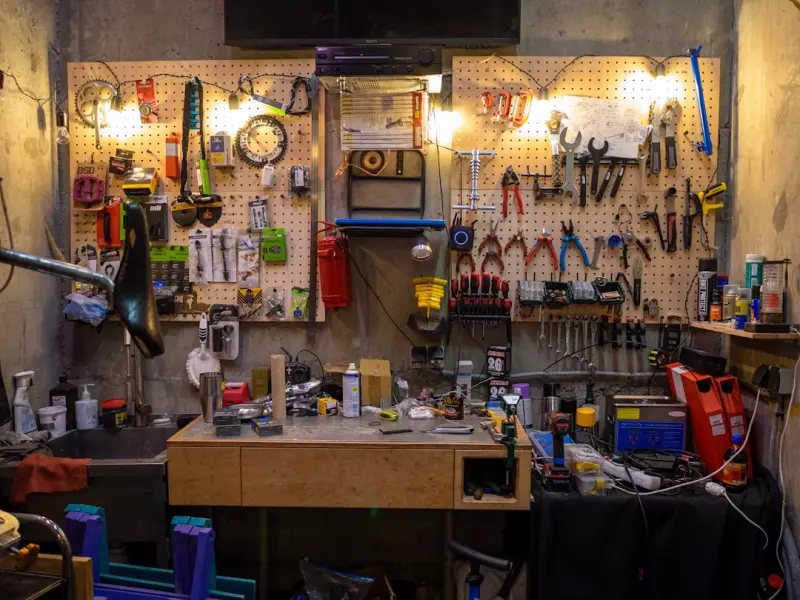
Handyman Hacks: Building a DIY Workshop and Mastering Everyday Repairs
Learn how to set up a budget-friendly workshop, choose essential tools, and master quick repairs tha... Read More
Spotting Hidden Home Issues Before They Cost a Fortune
Discover practical ways to spot hidden problems in your home early, avoid expensive fixes, and maint... Read More

Sustainable Home Renovations: A Comprehensive Guide
Sustainable home renovations reduce environmental impact, improve indoor air quality, and save money... Read More
Top Posts

Seeing Beyond the Surface: A Home Inspector’s Guide to Insightful, Human‑Centric Reports
A home inspection isn’t just a checklist; it’s a narrative. Rose DesRochers shares how blending technology, clear communication, and a human‑focused roadm...Read More

The Intersection of Lawn Care and Sustainable Living
Learn how to create a sustainable lawn care plan that promotes soil health, conserves water, and minimizes waste, and discover the benefits of sustainable lawn ...Read More

The Hidden Dangers of Mold in Your Home: Sustainable Mold Removal Practices
Mold growth can have serious consequences for your health and home. Learn about sustainable mold removal practices and how to prevent mold growth in your home....Read More

The Sustainable Garage Revolution: Building Green, Living Smart
Explore Craig Brett’s sustainable garage construction guide, covering site assessment, green materials, renewable energy integration, and smart design for mod...Read More
0 Comments
Post Comment
You will need to Login or Register to comment on this post!