
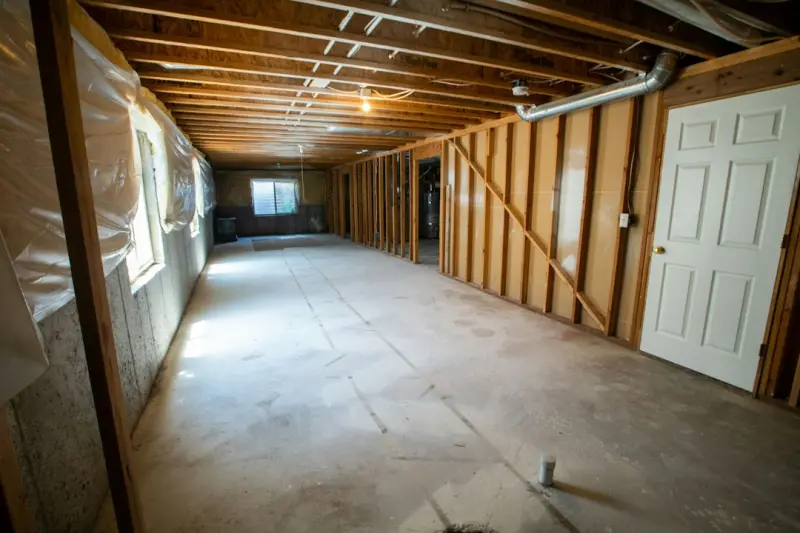
Why Your Basement Needs a Resilience Upgrade
When most homeowners think about upgrades, the kitchen and bathroom get all the spotlight. I’ve spent the last two decades turning cold, dark basements into functional assets, and one truth keeps resurfacing: the basement is the most vulnerable part of a house when climate extremes strike. From rising water tables to unexpected power outages, the underground space can either become a liability or a strategic advantage. This article walks you through a data‑driven, future‑proof approach that turns your basement into a flood‑resistant, climate‑controlled sanctuary—without sacrificing style or flexibility.
Mapping the Threat Landscape
Before you pick a paint color or install a new floor, you need a clear picture of the risks you’re mitigating. Here’s a quick audit checklist you can run in an afternoon:
- Hydrostatic pressure: The force exerted by groundwater against your foundation walls.
- Surface water intrusion: Rainwater that finds its way through cracks or faulty drainage.
- Air quality degradation: Basements can become a breeding ground for mold, radon, and VOCs if not properly ventilated.
- Thermal inefficiency: The deeper you go, the more energy it takes to keep the space comfortable.
- Power reliability: In a blackout, an underground retreat can become a dead zone without backup systems.
Armed with this data, you can prioritize interventions that give you the biggest return on resilience.
Waterproofing That Works—Beyond the Basics
Everyone knows the old “coat‑the‑walls with sealant” trick, but modern waterproofing is a silent powerhouse of building resilience. The latest systems combine external drainage membranes, interior crystalline sealers, and pressure‑sensing flood panels that alert you before water even reaches the threshold.
Key components to consider:
- Exterior French drain with a perforated pipe: Directs water away from the foundation before it builds pressure.
- Water‑resistant concrete additives: These polymers reduce capillary absorption.
- Smart flood sensors: Integrated with your home automation hub, they trigger sump pump activation and send mobile alerts.
- Interior negative‑pressure ventilation: Keeps moisture levels low by exhausting humid air to the outdoors.
Investing in a comprehensive waterproofing package may seem pricey, but it’s a preventive expense that pays off in avoided water damage, mold remediation costs, and insurance premiums.
Intelligent Walls for a Smarter Basement
Walls are more than structural dividers; they can be active participants in your comfort strategy. Smart drywall now embeds conductive fibers that allow embedded sensors to monitor temperature, humidity, and even structural strain.
How does this translate into a better basement?
- Dynamic insulation control: Sensors communicate with your HVAC system to boost heating only where it’s needed, cutting energy waste.
- Mold detection: Early‑stage moisture spikes trigger alerts, letting you act before mold colonies establish.
- Acoustic tuning: Embedded damping layers can be adjusted via software to improve sound isolation—ideal for home theaters or music studios.
Installing intelligent wall panels may require a bit of coordination with electricians and HVAC technicians, but the payoff is a basement that learns and adapts to its environment.
Climate Control & Air Quality: The Heartbeat of Your Underground Space
Basements are naturally cooler, but that doesn’t mean they’re comfortable year‑round. A layered approach to heating, cooling, and ventilation ensures the space stays usable no matter the season.
- Heat‑Recovery Ventilators (HRVs): Capture warmth from exhaust air while pulling in fresh outdoor air, maintaining a balanced temperature and reducing energy loss.
- Geothermal heat pumps: Leveraging the earth’s stable temperature, these systems provide efficient heating in winter and cooling in summer with a minimal footprint.
- Air filtration units with HEPA and activated carbon: Combat mold spores, dust, and radon gases—critical for health‑focused occupants.
- Smart thermostats paired with zone sensors: Create micro‑climates within the basement, so a home office can stay warm while a storage area stays cool.
When you combine these technologies with the data from intelligent walls, you get a feedback loop that continually optimizes comfort while slashing utility bills.
IoT Monitoring: Turning Data Into Action
The basement is an ideal spot to house a command center for your home’s IoT ecosystem. A dedicated gateway can aggregate inputs from flood sensors, wall‑embedded humidity probes, and energy meters. The resulting dashboard gives you real‑time insights and predictive analytics.
Here’s a practical workflow:
- Sensor detects a rising water level → System activates secondary sump pump and sends a push notification.
- Humidity spikes above 60% → HRV ramps up fresh‑air intake, and a dehumidifier is triggered.
- Energy consumption exceeds a set threshold → Smart thermostat adjusts setpoints, and a notification suggests a manual review.
These automated responses not only protect your investment but also free you from constant manual monitoring.
Designing an Adaptive Multi‑Use Basement
One of the most exciting trends in modern architecture is adaptive space design. Instead of carving a single purpose—home theater, gym, or storage—you can create a flexible environment that shifts with your needs.
Key design strategies include:
- Modular flooring systems: Interlocking panels that can be swapped for carpet, rubber gym tiles, or acoustic flooring.
- Retractable wall partitions: Slide or fold to open up a large open‑plan area or create private rooms on demand.
- Built‑in utility rails: Power, data, and HDMI conduits run through the floor and ceiling, enabling quick plug‑and‑play for equipment.
- Adjustable lighting rigs: Tunable LED panels that can shift from bright, task‑oriented lighting to low‑ambient hues for entertainment.
When you design with adaptability in mind, you future‑proof the space against evolving lifestyle trends and family needs.
Budgeting Smartly: Phased Implementation
Transforming a basement into a resilient hub doesn’t have to be an all‑at‑once project. A phased approach lets you spread costs and measure ROI at each stage.
- Phase 1 – Waterproofing & Drainage: This is the non‑negotiable foundation. Allocate 30‑40% of your budget here.
- Phase 2 – Air Quality & Climate Systems: Install HRV, dehumidifier, and basic HVAC upgrades.
- Phase 3 – Intelligent Walls & Sensors: Add smart drywall, flood sensors, and an IoT gateway.
- Phase 4 – Adaptive Finish: Deploy modular flooring, lighting, and partition systems.
By tracking performance metrics—water intrusion incidents, energy consumption, indoor air quality scores—you can justify each subsequent investment with hard data.
Case Study: A Family Home in a Flood‑Prone Zone
One of my recent projects involved a 2,200‑sq‑ft basement in a region that experiences seasonal river overflows. The homeowner’s primary goals were:
- Prevent water damage during a 12‑hour flood event.
- Maintain a comfortable temperature for a remote office.
- Allow the space to double as a guest suite during holidays.
We started with a comprehensive exterior drainage system, installed a dual‑pump setup with battery backup, and integrated flood sensors that triggered automatic pump cycles. Next, we sealed the walls using a crystalline additive and fitted smart drywall for real‑time moisture monitoring. Finally, we added a geothermal heat pump, HRV, and modular furniture that could be reconfigured in minutes.
Results after six months:
- Zero water intrusion during two separate flood events.
- Energy bills reduced by 18% thanks to zone‑based heating.
- Improved indoor air quality scores, with VOC levels dropping by 45%.
This example underscores how a data‑driven, layered approach turns a basement from a liability into a high‑value asset.
Putting It All Together: Your Action Plan
Ready to future‑proof your basement? Follow these steps:
- Conduct a thorough risk assessment using the checklist above.
- Hire a qualified waterproofing contractor and prioritize exterior drainage.
- Upgrade your HVAC to include an HRV and, if budget permits, a geothermal system.
- Install smart wall panels and a network of IoT sensors for continuous monitoring.
- Design the finish with modular, adaptable elements to keep the space versatile.
- Implement the project in phases, measuring key performance indicators after each stage.
By approaching your basement renovation as a holistic, data‑centric project, you’ll not only safeguard your home against climate threats but also create a flexible, tech‑enabled environment that adds real value—both in comfort and marketability.
Final Thoughts
The basement has long been the “forgotten room,” but in an era of extreme weather and smart homes, it deserves a seat at the table. With the right waterproofing, intelligent materials, climate control, and adaptive design, you can transform that underused space into a resilient retreat that serves your family’s evolving needs for years to come.

Craig Brett is a freelancer with a passion for the outdoors. His love for nature inspires his work, bringing authentic and engaging perspectives to projects related to outdoor activities, adventure, and environmental topics.
Related Posts
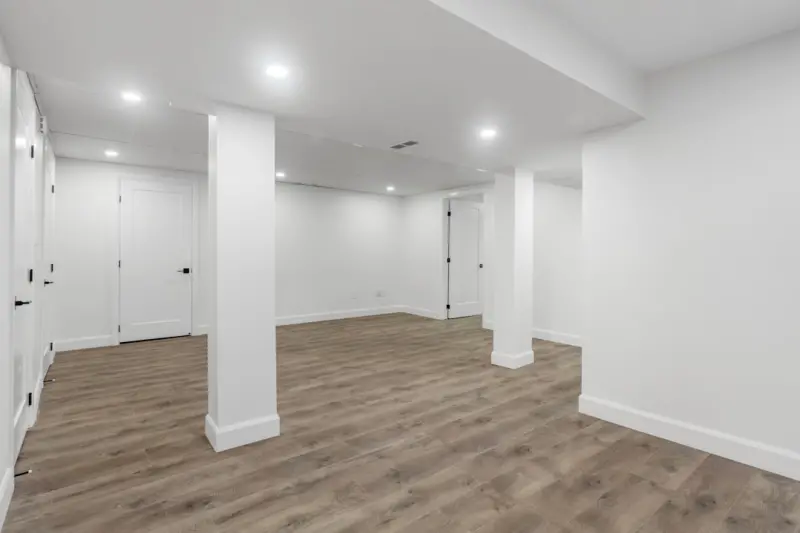
Transforming Your Basement Into a Health‑Focused Oasis
Learn practical steps to convert a neglected basement into a wellness hub, emphasizing air quality, ... Read More
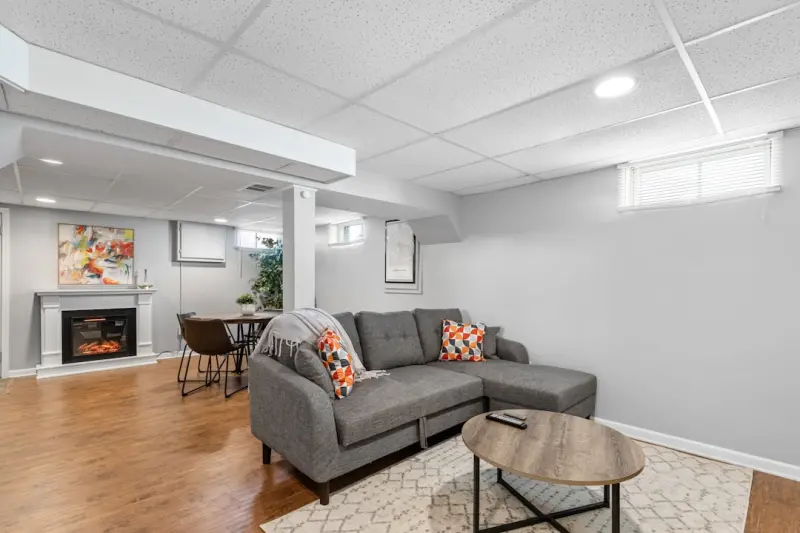
Transform Your Basement into a Year‑Round Wellness Hub
A fresh look at turning under‑used basements into vibrant, healthy spaces that support work, relax... Read More
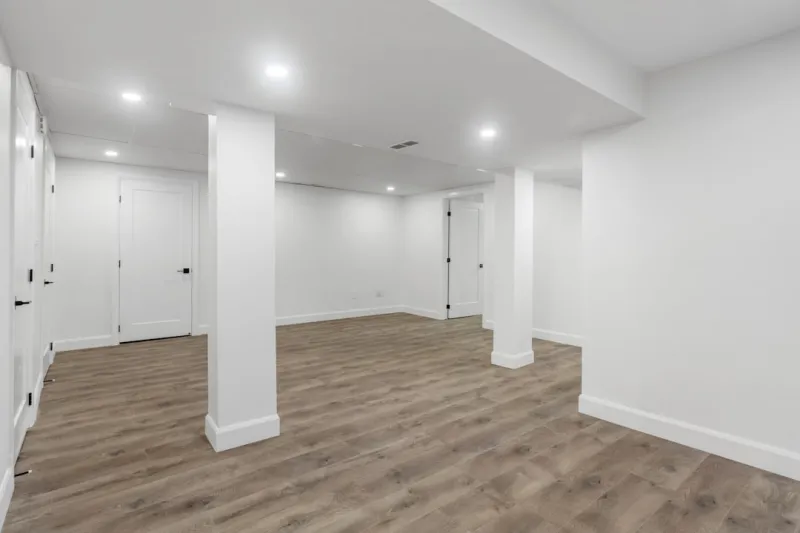
The Ultimate Guide to Basement Renovations: Transforming Your Space
Unlock the full potential of your home with a well-planned basement renovation. Learn the essential ... Read More
Top Posts

Why Subscription-Based Appliance Repair Is the Future of Home Maintenance
Subscription-based appliance repair offers predictable fees, priority service, and regular maintenance, turning reactive repairs into proactive care and deliver...Read More

Rewilding the Front Yard: Turning Your Landscape into a Living Asset
A deep dive into rewilding residential yards—focus on soil health, layered planting, water management, and wildlife habitat—to create a low‑maintenance, h...Read More

Design a Home Office Oasis That Boosts Focus and Well‑Being
Turn your remote‑work corner into a soothing oasis. Learn how lighting, sound, ergonomic furniture, and personal details combine to boost focus, comfort, and ...Read More
Turn Old Gutters into DIY Home Assets
Learn how to transform discarded gutters into functional décor—planters, rain‑chains, and shelves—through easy, sustainable DIY projects that add charm a...Read More
0 Comments
Post Comment
You will need to Login or Register to comment on this post!