
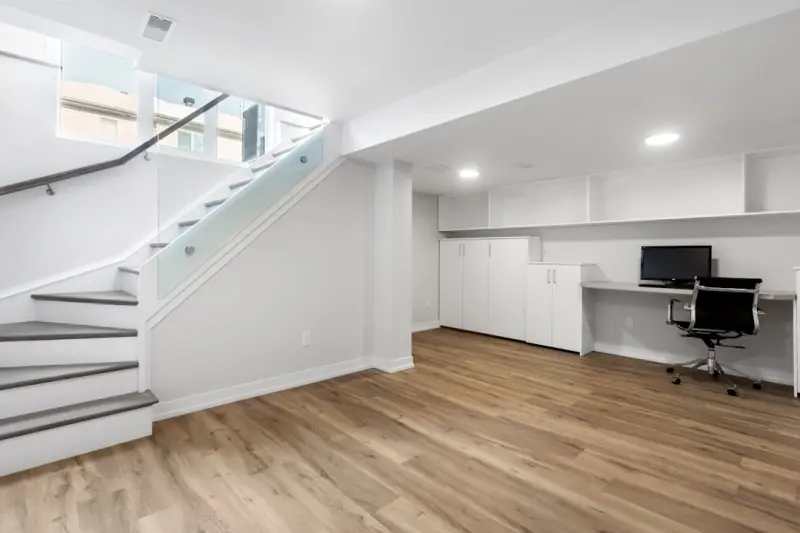
Why Your Basement Deserves a Wellness Upgrade
For most homeowners, the basement is the place where the “just in case” items hide: old furniture, holiday decorations, and that collection of tools you swear you’ll use someday. I’ve spent more than a decade coaxing life out of these dark, under‑used spaces, and I’ve learned that the basement can be much more than a storage closet. It can become a sanctuary for the mind, body, and spirit—a place where you recharge, create, and cultivate health‑forward habits without compromising the aesthetics of the rest of your home.
Step 1: Prioritize Air Quality Before Aesthetic Ambitions
Unlike an upstairs living room that enjoys a constant influx of fresh air, a basement is naturally prone to stale, humid conditions. Before you start picking paint colors or arranging furniture, address the air quality baseline. A high‑efficiency particulate air (HEPA) filtration system paired with a dehumidifier will keep mold and allergens at bay. If you’re already familiar with mold‑related challenges, you’ll appreciate the insight from Why Mold Removal Should Be a Core KPI for Facility Managers—the same proactive mindset applies at the residential level.
- Ventilation strategy: Install a balanced ventilation system (HRV/ERV) that brings in filtered outdoor air while exhausting stale indoor air.
- Moisture control: Aim for a humidity level between 30‑50 % to inhibit fungal growth.
- Continuous monitoring: Smart sensors can alert you when humidity spikes, allowing you to intervene before problems develop.
Step 2: Light the Way—Artificial Sunlight for a Subterranean Oasis
Natural light is the most coveted element in any interior design, yet basements rarely enjoy windows that welcome the sunrise. To simulate daylight, consider full‑spectrum LED fixtures that mimic the sun’s color temperature throughout the day. Pair them with programmable controls that gradually shift from cool “morning” tones to warm “evening” hues. This rhythm supports circadian health and can boost mood and productivity.
For those craving a touch of real daylight, Smart Glazing & Doors: Unlocking Untapped Value offers a glimpse into how dynamic glass can regulate solar gain and glare. While true glazing isn’t feasible underground, you can integrate light‑wells or solar‑powered tubular daylighting systems that channel sunlight from the roof down into the heart of the basement.
Step 3: Soundproofing—Create a Quiet Zone for Mindful Practices
One of the most underrated benefits of a basement is its natural insulation from street noise. To amplify this advantage, invest in acoustic treatments that prevent sound from bouncing off concrete walls. Acoustic panels, bass traps, and resilient channel drywall can turn a bare concrete slab into a sound‑absorbing haven—perfect for yoga, meditation, or a home recording studio.
- Install fabric‑wrapped acoustic panels on the upper walls for a soft, inviting look.
- Use rubber underlayment beneath the flooring to dampen vibrations.
- Consider a suspended ceiling with acoustic tiles to further reduce reverberation.
Step 4: Embrace Biophilic Design—Bring Nature Below Ground
Research shows that visual connections to nature reduce stress and improve cognitive function. Even without a window, you can incorporate greenery through vertical gardens and low‑maintenance plants that thrive in lower light conditions, such as snake plants, ZZ plants, and philodendrons. Pair these with natural materials—reclaimed wood, stone veneer, and woven textiles—to deepen the sense of being “outside” while staying indoors.
For a deeper dive into integrating nature into your living spaces, explore Unlock Hidden Corners: Turning Neglected Nooks into Everyday Assets. The principles of hidden‑corner activation translate seamlessly to the basement, where every alcove can become a green oasis.
Step 5: Heat Smartly—Comfort Without Compromise
Basements typically sit at a cooler temperature than the rest of the house. Rather than cranking up a traditional furnace, consider radiant floor heating—a subtle, energy‑efficient solution that delivers consistent warmth from the ground up. Not only does this method eliminate cold spots, but it also frees up wall space for design elements.
Read more about the health and sustainability benefits of this technology in Radiant Floor Heating: The Hidden Health and Sustainability Edge. When paired with a smart thermostat, radiant heating can adapt to your daily routine, ensuring you never step onto a chilly floor.
Step 6: Integrate Smart Home Features for Seamless Control
Today's basements can be as connected as any other part of your home. A centralized smart hub lets you control lighting, climate, audio, and security with voice commands or a single app. Think of the basement as a “command center” for your wellness routine:
- Lighting scenes: A “Morning Flow” scene gradually brightens the space while playing gentle ambient music.
- Climate presets: A “Yoga Warm‑up” preset raises the floor temperature to 78 °F just before your session.
- Air quality alerts: Receive notifications on your phone if CO₂ or humidity levels rise above thresholds.
By automating these elements, you reduce friction in your wellness practice, allowing you to focus on the experience rather than the settings.
Step 7: Design Multifunctional Zones Without Competing With the Rest of the Home
A common mistake is to try to replicate living‑room aesthetics underground. Instead, embrace the unique character of the basement by assigning distinct zones that complement each other:
- Movement zone: A padded area for yoga mats, foam rollers, and low‑impact cardio equipment.
- Relaxation zone: A plush seating nook with a low‑profile media console for meditation videos or calming visuals.
- Creative zone: A standing desk with ample storage for journals, sketchbooks, or a small home‑studio setup.
Each zone benefits from the acoustic, lighting, and climate considerations outlined above, creating a cohesive environment that feels purpose‑built rather than retrofitted.
Step 8: Sustainable Energy Considerations—Power Your Sanctuary Greenly
If you’re already exploring renewable options for your property, the basement can become a hub for sustainable energy storage. Pair a modest solar array on the roof with a home battery system, then route the stored electricity to power the basement’s lighting, heating, and smart devices. This approach not only reduces your carbon footprint but also ensures you have a reliable power source for evening workouts or meditation sessions.
For a broader perspective on leveraging solar at the residential level, see Solar Energy: The Strategic Edge Your Business Isn’t Using. The same principles of strategic placement and energy management apply when you shift the focus to personal well‑being.
Step 9: Finishing Touches—Materials That Speak to Wellness
When choosing finishes, prioritize natural, low‑VOC (volatile organic compounds) materials. Bamboo flooring, cork underlayment, and non‑toxic paints promote a healthier indoor environment. Incorporate tactile textures—soft rugs, woven wall hangings, and plush cushions—to engage the senses and encourage lingering.
Lastly, add personal elements that inspire you: a gallery wall of nature photography, a water feature for gentle ambient sound, or a bookshelf stocked with wellness literature. These touches turn a functional space into a personal refuge.
Conclusion: From Forgotten Storage to Holistic Hub
Transforming a basement into a wellness sanctuary is not about imposing a trendy aesthetic; it’s about addressing the core elements that support health—air, light, sound, temperature, and connection to nature. By methodically upgrading each layer, you create a space that nourishes mind and body while adding tangible value to your home.
Ready to start your basement wellness journey? Begin with a thorough air‑quality assessment, then layer in lighting, acoustics, smart tech, and sustainable energy. Before you know it, that once‑neglected undercroft will become the most rejuvenating room in your house.

When it comes to the world of blogging and writing, Rose DesRochers is a name that stands out. Her passion for creating quality content and connecting with her audience has made her a trusted voice in the industry. Aside from her skills as a writer and blogger, Rose is also known for her compassionate nature.
Related Posts
From Storage to Sanctuary: Rethinking Your Basement Renovation
Learn how to convert a dark basement into a bright, multi‑purpose sanctuary with smart moisture co... Read More
Unlocking the Underground: Your Ultimate Guide to Basement Renovations
Ready to transform your neglected basement into a vibrant, functional extension of your home? Learn ... Read More
Unearthing Potential: A Paul Gray Guide to Basement Renovations
Transform your unused basement into valuable living space with this expert guide. Learn critical pla... Read More
Top Posts

The Silent Menace: A Comprehensive Guide to Mold Removal and Prevention
Mold is a silent threat to your home and health. This guide from Lifan Chen breaks down everything from identification and safe removal techniques to essential ...Read More

Smart Garage Doors: The Next Frontier in Building Performance
The garage door is evolving from a simple barrier to a data‑rich, secure, and energy‑efficient asset. Learn how AI, predictive maintenance, and smart integr...Read More

Resilient Home Design: Building for Tomorrow’s Climate Challenges
A deep dive into designing homes that withstand extreme weather, integrate renewable energy storage, and adapt to changing family needs, showcasing practical st...Read More

Seasonal Tree Care: Turning Canopies into Strategic Assets
A detailed, seasonal checklist shows property managers how to transform tree maintenance from a reactive expense into a strategic asset that lowers energy costs...Read More
0 Comments
Post Comment
You will need to Login or Register to comment on this post!