

Why Modern Paving Is Going Green
When I first stepped onto a freshly laid driveway made from reclaimed concrete, I felt the subtle shift that’s reshaping our outdoor spaces; the texture underfoot wasn’t just durable, it whispered stories of waste diverted from landfills and a carbon footprint trimmed with intention. Today, homeowners are demanding more than a smooth surface—they want a paving solution that blends performance, aesthetics, and sustainability, and the industry is answering with permeable pavers, recycled aggregates, and low‑impact binders that let rainwater seep back into the earth while reducing runoff. Choosing eco‑friendly paving isn’t a niche fad; it’s a strategic move that protects your property’s value, conserves resources, and aligns with the broader push toward greener building practices highlighted in the Sustainable Property Maintenance guide.
The Science Behind Permeable Pavers
Permeable pavers work by creating a lattice of voids that allow water to pass through, recharging groundwater tables and mitigating the risk of localized flooding—a crucial benefit in regions where storm events are becoming more intense and frequent. The engineering behind them involves a careful balance of aggregate size, binder strength, and joint spacing, ensuring that the surface can bear heavy loads while still providing the hydraulic conductivity needed to handle rainfall volumes typical for residential neighborhoods. By selecting products that incorporate recycled glass or reclaimed asphalt, you not only cut down on virgin material extraction but also give these waste streams a second life, turning what once was a disposal problem into a functional, attractive foundation for driveways, walkways, and patios.
Recycled Materials: Turning Waste Into Walkways
One of the most exciting developments in sustainable paving is the use of recycled concrete aggregate (RCA) and reclaimed asphalt pavement (RAP), which replace up to 60 % of natural stone in many mix designs without compromising structural integrity. When manufacturers grind down old slabs and combine them with a modest amount of fresh cementitious material, the resulting mix retains the compressive strength required for residential traffic while dramatically lowering the embodied energy of the project. Moreover, the visual character of RCA—its speckled, earthy tones—adds a rustic charm that many homeowners find appealing, making it a perfect match for modern outdoor aesthetics that favor natural, imperfect textures over sterile uniformity.
Heat‑Island Mitigation With Light‑Colored Pavers
Urban heat islands have turned many neighborhoods into simmering ovens, and traditional dark asphalt contributes significantly to this problem by absorbing and radiating heat throughout the day. Light‑colored, high‑albedo pavers reflect a larger portion of solar radiation, reducing surface temperatures by up to 15 °F, which in turn lowers the ambient air temperature around your home and eases the load on nearby cooling systems. This temperature drop isn’t just a comfort factor; it translates into measurable energy savings, especially during sweltering summer months, and aligns perfectly with the principles outlined in the Smart Path to Sustainable Heating and Cooling article.
Designing Paved Spaces for Longevity and Maintenance
Durability is the cornerstone of any paving project, and sustainable design begins with foresight—selecting materials that resist cracking, erosion, and chemical degradation while planning joints and drainage pathways that simplify future upkeep. Incorporating a flexible joint filler made from bio‑based polymers can accommodate slight movements caused by temperature fluctuations, reducing the likelihood of unsightly gaps or costly repairs down the line. Regular maintenance, such as gentle pressure washing and timely resealing with low‑VOC sealants, extends the lifespan of your pavement, preserving both its functional performance and its environmental credentials, because a well‑maintained surface continues to serve its green purpose for decades.
Integrating Paving With Landscape Features
A holistic approach to outdoor design means treating paving not as an isolated element but as a connective tissue that weaves together gardens, lighting, and water features. By aligning permeable pathways with native plant beds, you create a synergistic system where excess water nurtures vegetation, reducing irrigation demands and fostering biodiversity. Adding solar‑powered pathway lights that charge during the day and illuminate at night not only enhances safety but also cuts electricity usage, reinforcing the sustainable narrative of the entire property. These thoughtful integrations turn a simple driveway or patio into a living, breathing component of a resilient, low‑impact ecosystem.
Cost Considerations: Investing in Sustainable Paving
While the upfront cost of eco‑friendly paving solutions can appear higher than conventional asphalt or concrete, the total cost of ownership tells a different story; reduced stormwater fees, lower cooling expenses, and extended service life combine to deliver a compelling financial case over the pavement’s lifespan. Many municipalities also offer incentives or rebates for installing permeable or recycled‑content pavers, further narrowing the price gap and encouraging homeowners to make the greener choice. By viewing the investment through a long‑term lens—considering not just the material cost but also the environmental savings and potential property value boost—you’ll find that sustainable paving is not an expense but a prudent, future‑proof allocation of resources.
Choosing the Right Contractor for Green Paving
Executing a sustainable paving project requires a contractor who understands both the technical specifications of eco‑materials and the broader goals of environmental stewardship. Look for professionals who reference the Sustainable Contracting framework, demonstrate experience with permeable systems, and can provide transparent sourcing documentation for recycled aggregates. A knowledgeable contractor will also guide you through permitting processes, ensure proper sub‑base preparation for drainage, and advise on maintenance plans that keep your pavement performing at its best while preserving its green credentials.
Future Trends: Smart Paving and Beyond
The next frontier in sustainable paving lies at the intersection of technology and ecology, where embedded sensors can monitor moisture levels, temperature, and structural health in real time, alerting homeowners to potential issues before they become costly repairs. Coupled with renewable energy integration—such as kinetic tiles that generate electricity from foot traffic—these innovations promise to transform ordinary surfaces into interactive, energy‑producing assets. As the industry continues to embrace circular economy principles, we can expect to see more modular paver systems designed for easy disassembly and reuse, ensuring that today’s investment remains adaptable for tomorrow’s environmental standards.

Paul Gray is a dynamic blogger based in Brampton, where he shares his life with his amazing wife, Sarah. Known for his engaging writing style and relatable insights, Paul has carved out a niche in the blogging world that resonates with readers from all walks of life. When he's not crafting captivating posts, you can find him savoring a cold beer or indulging in the latest blockbuster movie. With a friendly demeanor and a passion for storytelling, Paul brings a unique perspective to his work, making him not just a blogger, but a voice for those who appreciate the simple joys of life.
Related Posts
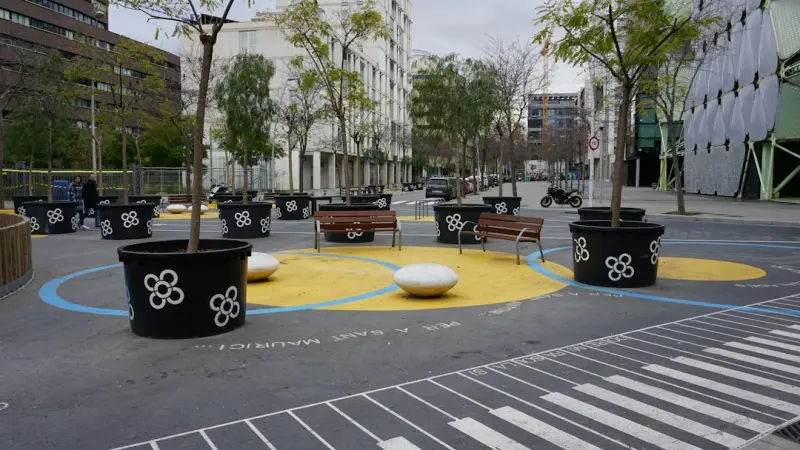
Sensor‑Embedded Pavement: Redefining Urban Mobility
Sensor‑embedded pavement integrates durable sensors into roadways, turning static surfaces into da... Read More
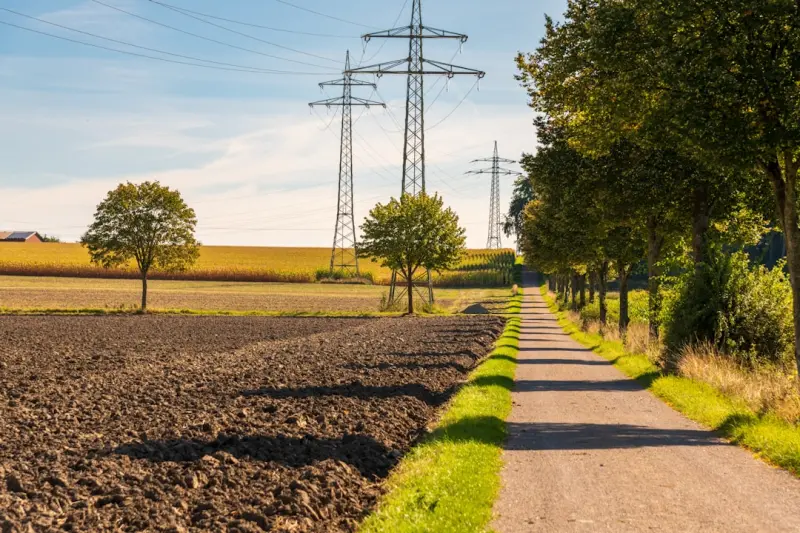
Harvesting Steps: How Energy‑Generating Pavement Is Powering the Next Urban Grid
Modern paving is evolving from a passive surface to an active, energy‑producing, data‑rich platf... Read More

Cool Streets Ahead: How Reflective, Permeable Paving Can Transform Urban Heat
Explore the rise of light‑colored, permeable paving as a climate‑smart solution that cools stree... Read More
Top Posts

Why Carpet Care is the Backbone of Healthy, Efficient Buildings
A deep dive into the hidden benefits of carpet cleaning, revealing its role in enhancing indoor air quality, cutting energy costs, and promoting sustainable bui...Read More

The Secret Language of Paint: How Color, Finish, and Prep Transform Your Home
Explore the hidden power of paint—learn to choose colors, finishes, and prep methods that instantly elevate your home’s style and comfort....Read More

Powering the Modern Home Office: A Practical Guide to Electrical Upgrades
Discover a step‑by‑step plan to upgrade your home office electrical system, from load audits to modular panels, ensuring safety and productivity....Read More

The Ultimate Renovation Checklist for Transforming Underused Spaces
Discover a detailed renovation checklist designed to turn neglected basements, attics, or converted garages into functional, stylish areas, with tips on budgeti...Read More
0 Comments
Post Comment
You will need to Login or Register to comment on this post!