
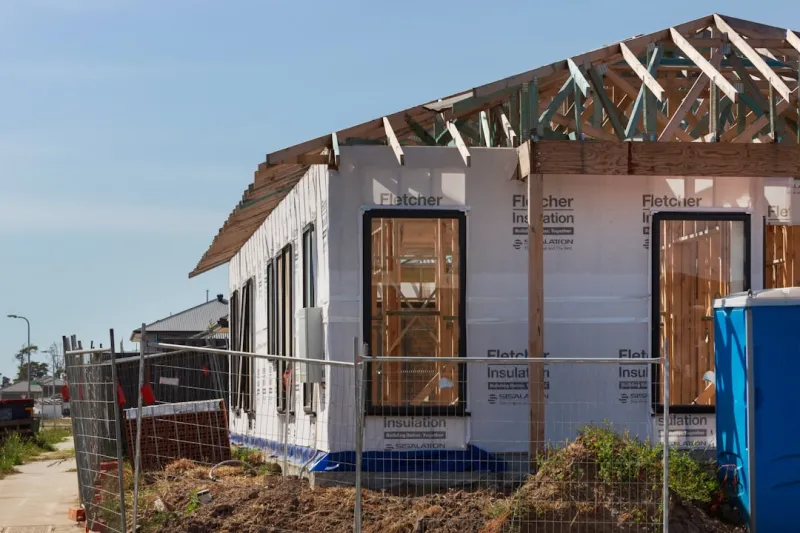
The Evolution of Sustainable Home Construction: A Comprehensive Guide
As a seasoned expert in home construction, I, David MacKinnon, have witnessed firsthand the significant shift towards sustainable building practices. The construction industry has undergone a substantial transformation in recent years, driven by growing concerns about environmental sustainability, energy efficiency, and climate change. In this article, we will explore the evolution of sustainable home construction, highlighting the latest trends, innovations, and best practices that are revolutionizing the way we build our homes.
The concept of sustainable home construction is not new, but it has gained significant momentum in recent years. Homeowners, builders, and architects are increasingly recognizing the importance of eco-friendly building practices that minimize environmental impact while providing healthier, more comfortable living spaces. The evolution of sustainable home construction is a story of innovation, driven by advances in technology, materials science, and changing consumer demands.
The Early Days of Sustainable Home Construction
The early days of sustainable home construction were marked by a focus on energy efficiency and environmental sustainability. Builders and homeowners began to explore alternative building materials, such as recycled materials, bamboo, and low-VOC paints. The use of solar panels, wind turbines, and geothermal systems also became more prevalent. However, these early efforts were often hampered by high upfront costs, lack of awareness, and limited availability of sustainable materials.
Today, sustainable home construction is no longer a niche market. It has become a mainstream movement, driven by growing demand for eco-friendly homes, government incentives, and declining costs of sustainable technologies. Homeowners are no longer just looking for energy-efficient homes; they are seeking holistic, sustainable living spaces that promote health, well-being, and environmental stewardship.
The Benefits of Sustainable Home Construction
So, what are the benefits of sustainable home construction? For starters, sustainable homes are more energy-efficient, which means lower utility bills and reduced greenhouse gas emissions. They also provide healthier living spaces, thanks to the use of non-toxic materials and improved indoor air quality. Sustainable homes are also more durable and require less maintenance, which can save homeowners money in the long run. Additionally, sustainable homes can command a higher resale value, making them a smart investment for homeowners.
Some of the key benefits of sustainable home construction include:
- Reduced energy consumption and lower utility bills
- Improved indoor air quality and healthier living spaces
- Durable and low-maintenance homes
- Increased resale value
- Environmental sustainability and reduced carbon footprint
The Role of Home Inspections in Sustainable Home Design
Home inspections play a critical role in sustainable home design. A thorough home inspection can identify potential issues with energy efficiency, indoor air quality, and environmental sustainability. By conducting a home inspection early in the design process, builders and homeowners can identify opportunities to improve the sustainability of their home. The role of home inspections in sustainable home design is an essential aspect of sustainable home construction.
Innovative Materials and Technologies
The sustainable home construction industry is witnessing a surge in innovative materials and technologies. From recycled materials and sustainably sourced wood to advanced insulation systems and smart home technologies, the options are endless. Some of the most exciting innovations include:
- Cross-laminated timber (CLT) and other engineered wood products
- Recycled materials, such as reclaimed wood and recycled glass
- Advanced insulation systems, such as spray foam insulation
- Smart home technologies, such as energy management systems and smart thermostats
Embracing Sustainable DIY Home Repairs
As a homeowner, you don't have to wait for a major renovation project to incorporate sustainable practices into your home. Embracing sustainable DIY home repairs is a great way to make a positive impact on the environment. Simple tasks, such as sealing air leaks, upgrading to energy-efficient lighting, and using eco-friendly cleaning products, can make a big difference.
Challenges and Opportunities
While the sustainable home construction industry has made significant progress in recent years, there are still challenges to overcome. High upfront costs, lack of awareness, and limited availability of sustainable materials are just a few of the obstacles that need to be addressed. However, these challenges also present opportunities for innovation, collaboration, and growth.
The Future of Sustainable Home Construction
The future of sustainable home construction looks bright. As technology continues to advance and consumer demand grows, we can expect to see even more innovative solutions emerge. From net-zero energy homes to sustainable community developments, the possibilities are endless. One thing is certain: sustainable home construction is no longer a niche market; it has become a mainstream movement that is here to stay.
In conclusion, the evolution of sustainable home construction is a story of innovation, driven by advances in technology, materials science, and changing consumer demands. As we look to the future, it's clear that sustainable home construction will play a critical role in reducing our environmental impact and promoting healthier, more comfortable living spaces. Whether you're a homeowner, builder, or architect, there are many ways to get involved and make a positive impact on the environment.

David MacKinnon is a dynamic freelance writer known for his captivating storytelling and keen insights into the world of technology. With a passion for exploring the intersection of innovation and everyday life, he crafts engaging narratives that not only inform but also inspire his readers.
Related Posts

Bringing the Outdoors In: Biophilic Home Construction for Modern Living
This article dives into biophilic home construction, outlining scientific benefits, core design pill... Read More

Quiet Walls, Peaceful Homes: Mastering Acoustic Design in Modern Construction
A deep dive into acoustic-friendly construction, covering wall assemblies, floor decoupling, window ... Read More
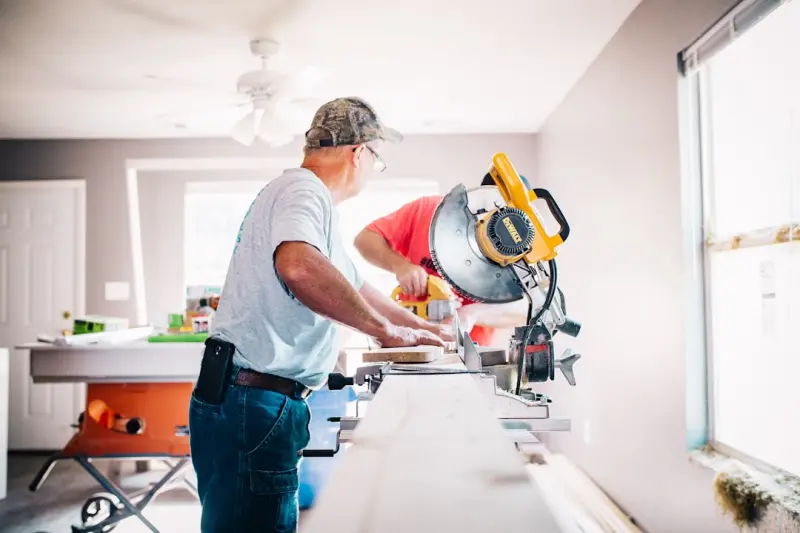
Future‑Proofing Your Home: Construction Strategies for Aging in Place
Discover how to design and build homes that gracefully accommodate aging occupants through flexible ... Read More
Top Posts

When Tiles Talk: Turning Flooring into a Data Hub
A deep dive into intelligent tiling shows how embedded sensors, acoustic design, and recycled materials transform ordinary flooring into a source of data, energ...Read More
Modular Woodworking: Building Flexibility into Your Shop
A deep dive into modular workbench designs, subtle tech integrations, and sustainable sourcing that empower woodworkers to scale and adapt without sacrificing c...Read More

The Future‑Ready Garden: Blending Nature and Smart Tech for Everyday Bliss
A tech‑enhanced garden goes beyond gadgets, offering intelligent watering, responsive solar lighting, and vertical planting to create a sustainable, low‑mai...Read More
Elevating Commercial Spaces with Wallpaper
Wallpaper is no longer just a decorative finish; it offers acoustic dampening, thermal regulation, brand storytelling, and embedded technology, making it a stra...Read More
0 Comments
Post Comment
You will need to Login or Register to comment on this post!