
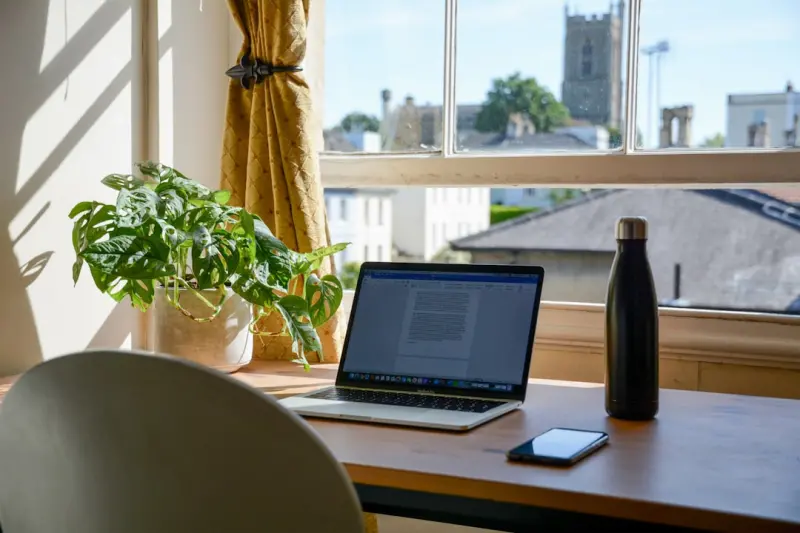
Why Handyman Skills Are the New Superpower for Remote Professionals
When the office moved into the living room, the traditional line between “work” and “home maintenance” blurred overnight. Suddenly, the person who once called a contractor for a leaky faucet found themselves Googling “how to patch drywall” while waiting for a conference call to start. This shift has turned the humble handyman into a strategic asset for anyone whose paycheck now comes from a home desk. Not because they’re fixing broken light switches, but because they’re creating an environment that fuels focus, reduces fatigue, and safeguards the very infrastructure that powers their livelihood. The modern remote worker who can tighten a loose outlet, install a shelving unit, or fine‑tune a thermostat is the one who spends less time troubleshooting and more time delivering results.
Ergonomic Foundations: Building a Desk That Works for You
Before you invest in an expensive ergonomic chair, consider a simple handyman‑crafted desk that addresses your specific posture needs. Start with a sturdy slab of reclaimed wood, sand it smooth, and mount it on adjustable legs—think industrial pipe fittings paired with lockable casters for height flexibility. The beauty of a DIY desk is that you can set the exact dimensions that match your body: a top that’s wide enough for a monitor arm, a shallow edge that keeps your wrists neutral, and a height that lets your elbows sit at a 90‑degree angle. Adding a small keyboard tray beneath the surface reduces shoulder strain, while a built‑in cable management channel keeps cords out of sight and prevents accidental unplugging during a sprint of productivity.
Powering Up: Simple Electrical Fixes for a Reliable Home Office
One of the most frustrating interruptions for a remote professional is a tripped circuit breaker that sends the entire office into darkness. Rather than waiting for an electrician, a competent handyman can install a dedicated circuit for office equipment. Start by identifying the load: a high‑performance laptop, a monitor, a router, and perhaps a small printer. Sum the wattage, then choose a breaker that offers a comfortable margin—usually 20 % above the total. Running a new 12‑gauge wire from the main panel to a wall outlet near your desk provides a reliable power source that won’t overload existing circuits. Pair this with a surge protector that has a high joule rating, and you’ve built a resilient power hub that guards against sudden outages and protects sensitive electronics.
Acoustic Comfort: DIY Soundproofing Tricks That Don’t Break the Bank
Open‑plan homes are great for sunlight, but they’re terrible for focus when a neighbor’s dog barks or a roommate starts a video call. Handyman‑level acoustic treatment can dramatically improve your concentration. Begin with weather‑stripping around doors and windows to seal gaps where sound leaks. Next, add a layer of mass‑loaded vinyl or dense acoustic panels to the wall behind your desk; these materials absorb mid‑range frequencies that are most distracting. For a budget‑friendly solution, hang thick canvas paintings or decorative quilts—both act as sound absorbers while adding personality to the space. Finally, place a rug under your chair; not only does it protect flooring, it also dampens footfall noise, creating a quieter, more professional atmosphere.
Modular Furniture You Can Build Yourself
Remote work often demands flexibility: a conference call one hour, a brainstorming session the next, and occasional storage of project materials. Handyman‑crafted modular furniture solves this challenge with pieces that adapt to changing needs. Build a set of stackable storage cubes using plywood, pocket-hole joinery, and simple hardware. Each cube can serve as a drawer, a stand for a monitor, or a side table. Because they’re uniform, you can rearrange them to create a larger workbench for a collaborative project, then break them down again for a tidy office layout. Adding casters to the bottom turns each unit into a mobile workstation, letting you shift the entire configuration without lifting heavy furniture.
Creating a Mini‑Climate: DIY Ventilation and Air Quality
Indoor air quality often suffers when a home becomes a full‑time office. Stale air can cause headaches, reduced focus, and even long‑term health issues. A handyman can install a passive ventilation system using simple trickle vents in existing windows or a wall‑mounted exhaust fan that runs on a timer. Pair this with a DIY air‑purifying plant wall—choose low‑maintenance, air‑cleaning varieties like spider plants, peace lilies, or snake plants. Mount planters on a reclaimed pallet positioned behind your desk; they act as natural filters while adding a touch of greenery that eases visual fatigue.
Scheduling Handyman Tasks Like a Pro Project Manager
Just as you’d block out time for a client meeting, reserve dedicated slots for home maintenance. Use a digital calendar to create recurring events: “Check smoke detectors” every three months, “Inspect door seals” quarterly, and “Test outlet voltage” monthly. Treat each task as a milestone in a larger “Home Office Optimization” project, complete with a checklist and a budget line item. This systematic approach prevents small issues—like a loose outlet or a squeaky chair— from snowballing into costly repairs that interrupt your workflow.
Leveraging the Yard: Outdoor Extensions for a Balanced Workday
When daylight fades, a well‑designed outdoor nook can serve as a refreshing alternative workspace. A handyman can transform a modest patio corner into a natural weather guard by installing a pergola with retractable canvas, adding a simple deck board table, and anchoring a waterproof power strip for laptops. This outdoor “office oasis” provides a change of scenery, improves mood, and encourages short breaks that boost overall productivity.
Reimagining Storage: From Cluttered Closets to Purpose‑Built Cabinets
Clutter is the silent productivity killer. Handyman‑level carpentry can turn an under‑used closet into a custom cabinet system with adjustable shelves, pull‑out drawers, and built‑in cable channels. Using a combination of melamine panels and soft‑close hinges, you create a sleek, silent storage solution that houses routers, external drives, and office supplies out of sight. Adding a magnetic strip on the inside of a door provides a handy place for metal tools, notes, or small accessories, keeping your desk surface free for the work that matters.
Smart Yet Simple: Integrating Low‑Cost Automation
While the blog’s recent posts have explored high‑tech integrations, there’s a niche for low‑cost, handyman‑friendly automation that still feels “smart.” Install a basic motion‑activated light switch near your workspace, so the lights turn on as you enter and dim automatically after a set period of inactivity, conserving energy and reducing eye strain. Pair this with a programmable timer for your coffee maker, ensuring a fresh brew is ready when you start your day. These small touches make your home office feel polished without the complexity of fully integrated IoT systems.
Future‑Proofing Your Handyman Skills
Finally, treat your handyman abilities as an ongoing investment. As remote work evolves, new challenges will arise—perhaps a need for better acoustic isolation, more robust network cabling, or even a small indoor lab for prototyping. By mastering core skills—framing, electrical basics, basic plumbing, and finish carpentry—you’ll be ready to adapt quickly, turning potential obstacles into opportunities for innovation. In the end, the real power of the handyman mindset isn’t just about fixing things; it’s about designing a living‑and‑working environment that continuously supports your professional growth.

When it comes to the world of blogging and writing, Rose DesRochers is a name that stands out. Her passion for creating quality content and connecting with her audience has made her a trusted voice in the industry. Aside from her skills as a writer and blogger, Rose is also known for her compassionate nature.
Related Posts

From Wrenches to Wins: A Handyman’s Blueprint for Consistent Profit
Learn how to transform everyday repairs into a thriving side hustle with a streamlined toolkit, accu... Read More
Why Handyman Services Are Shifting to Subscriptions
A deep dive into the rising subscription model for handymen, exploring tech integration, permit hand... Read More

Handyman Subscription Service: The Future of Home Care
A subscription model turns sporadic handyman jobs into predictable revenue, offering homeowners peac... Read More
Top Posts

Choosing Countertops That Blend Sustainability, Style, and Smart Functionality
Explore how recycled‑stone composites, smart surfaces, and multi‑functional designs can transform your kitchen into a sustainable, stylish, and technologica...Read More

Beyond the Checklist: How AI and Drones Are Reinventing Home Inspections
Traditional home inspections miss hidden moisture, energy leaks, and structural fatigue. By integrating AI-driven thermal imaging, drone roof surveys, and IoT s...Read More

The Untapped Business Power of Smart Awnings
A deep dive into how smart, sustainable awnings transform storefronts into data‑driven branding assets, improve energy efficiency, and drive foot traffic....Read More

Curating Quiet Corners: Acoustic Zoning for Modern Interiors
Explore the art of acoustic zoning—strategic design techniques, material selections, and smart sensor integration—to craft quiet corners that boost focus, r...Read More
0 Comments
Post Comment
You will need to Login or Register to comment on this post!