

From Sunlit Retreat to Strategic Workspace: Rethinking the Sunroom for Hybrid Teams
When the pandemic forced us to reimagine where we work, many of us turned to the most obvious solution: the home office. But as we settle into a new normal of hybrid schedules, a surprisingly underutilized space is stepping into the spotlight— the sunroom. No longer just a seasonal lounge or a decorative annex, the modern sunroom can become a high‑performance hub that blends productivity, well‑being, and sustainability.
The Quiet Power of Natural Light
Science tells us that exposure to natural light regulates circadian rhythms, improves mood, and sharpens focus. In a traditional office, daylight is often filtered through glass partitions or blocked by fluorescent fixtures. A dedicated sunroom, with its floor‑to‑ceiling glazing, delivers unfiltered daylight directly to the work surface. The result? A measurable boost in alertness and a reduction in the eye strain that plagues screen‑heavy days.
Beyond the immediate health benefits, natural light also drives energy savings. By relying less on artificial lighting during daylight hours, a sunroom can lower a household’s electricity consumption by up to 15 %— a figure that adds up quickly for families that run multiple home‑office stations.
Designing for Year‑Round Comfort
One of the biggest myths about sunrooms is that they’re only pleasant in warm weather. Modern glazing technologies, low‑E coatings, and insulated frames now make it possible to maintain comfortable temperatures year‑round. Pair a sunroom with a smart HVAC system that draws data from external weather stations and adjusts flow in real time, and you have a space that stays cool in summer and retains heat in winter without the energy waste of a traditional room.
For those who crave a more hands‑off approach, consider integrating a clean ducts strategy. Clean, well‑sealed ductwork ensures that the conditioned air circulates efficiently, preventing hotspots and drafts that could otherwise disrupt concentration.
Acoustic Considerations: Turning Sunlight into a Focus Zone
While sunlight invigorates the mind, an open‑plan sunroom can also become an echo chamber if not properly treated. Acoustic panels that blend with the aesthetic—think woven fabric or reclaimed wood—absorb sound without sacrificing the airy feel. The goal is a balanced environment where video calls are crystal clear, background chatter is muted, and the hum of the outside world becomes a gentle soundtrack rather than a distraction.
Smart Integration: Automation Meets the Outdoors
Imagine a sunroom that knows when you’ve booked a virtual meeting, dims the blinds just enough to reduce glare, and pre‑cools the space a few minutes before you arrive. This is no longer futuristic; it’s achievable with today’s home‑automation ecosystems. Voice assistants can trigger scenes that adjust lighting, temperature, and even the scent of essential oils to create a consistent, branded atmosphere for remote work.
For businesses looking to extend this concept beyond the home, the same principles apply to satellite offices. A solar‑powered business hub can incorporate a sunroom as a client‑facing lounge, showcasing a commitment to sustainability while providing employees with a bright, energizing work zone.
Biophilic Benefits Without the Jargon
Plants have always been a staple of sunrooms, but the modern iteration goes deeper than décor. By selecting species that thrive in high‑light conditions—such as snake plant, pothos, and fiddle‑leaf fig—you create a living air‑purification system. The chlorophyll in these plants absorbs carbon dioxide and releases oxygen, subtly improving indoor air quality throughout the day.
When paired with a data‑driven approach to space planning, these green elements can be positioned to maximize both visual appeal and functional performance. The design‑build meets biophilic architecture methodology offers a framework for aligning plant placement with workflow zones, ensuring that the sunroom supports both creative brainstorming and focused execution.
Flexibility for Multi‑Purpose Use
One of the most valuable traits of a sunroom is its adaptability. In the morning, it can serve as a bright coworking desk for a solo freelancer. By mid‑day, the same space can transform into a collaborative roundtable with portable whiteboards and modular seating. When the sun sets, the room can become a quiet reading nook or even a small home‑gym, thanks to the ample floor space and natural ventilation.
This flexibility is crucial for families with diverse schedules. Children can use the space for arts and crafts while parents hold conference calls, all without the need for additional rooms or compromising privacy.
Economic Upside: Adding Value Without a Full Renovation
From a real‑estate perspective, a well‑executed sunroom adds tangible market value. Buyers today are looking for homes that support flexible living and remote work. A sunroom that showcases integrated technology, energy efficiency, and comfort can command a premium, often offsetting the initial installation cost within a few years.
Moreover, the incremental expense of adding solar shading, smart thermostats, and acoustic treatments is modest compared to a full kitchen remodel, yet the perceived benefit to occupants is significant. The return on investment is amplified when you consider the ongoing savings on lighting and HVAC.
Implementation Checklist
- Glazing: Opt for low‑E, double‑or triple‑pane glass with UV protection.
- Insulation: Choose high‑R‑value walls and roof panels to seal against temperature loss.
- HVAC Integration: Connect to an existing smart thermostat or install a dedicated zone controller.
- Acoustic Treatment: Install fabric‑wrapped panels or acoustic ceiling tiles that complement the natural aesthetic.
- Automation: Program scenes for “focus mode,” “meeting mode,” and “relax mode” using your preferred voice assistant.
- Plants: Select low‑maintenance, high‑light species that improve air quality.
- Power Management: Incorporate energy‑monitoring plugs to track usage of devices and optimize consumption.
Case Study: A Remote Agency’s Sunroom Transformation
One boutique digital agency converted a 12 × 15‑foot sunroom into a collaborative hub for its 10‑person hybrid team. The agency installed motorized blinds linked to their calendar system, so the room automatically shades during video calls. They added a discreet ceiling‑mounted air diffuser that released a calming lavender scent during brainstorming sessions.
Within three months, the agency reported a 22 % increase in employee satisfaction scores and a measurable rise in project turnaround speed. The client also highlighted the sunroom as a differentiator when pitching to new prospects, positioning the agency as forward‑thinking and employee‑centric.
Future Outlook: Sunrooms as Data‑Rich Environments
Looking ahead, sunrooms could become the next frontier for IoT data collection. Sensors that track temperature gradients, light intensity, and occupancy patterns can feed into building‑management platforms, offering insights that fine‑tune energy usage and comfort settings. This data‑driven feedback loop aligns perfectly with sustainability goals and the growing demand for smart, responsive workspaces.
Imagine a scenario where the sunroom’s glass panels dynamically tint based on real‑time solar gain, while a wall‑mounted display shows live carbon‑savings metrics. Such transparency not only educates occupants but also reinforces a culture of environmental stewardship.
Conclusion: Embrace the Sunroom Renaissance
Sunrooms are no longer the decorative afterthought of a summer house. They are poised to become strategic assets for anyone navigating the hybrid work era. By marrying natural light, smart technology, acoustic comfort, and biophilic design, you can create a space that boosts productivity, nurtures well‑being, and contributes to a greener footprint. The next time you glance at that sun‑filled corner of your home, see it not just as a place to sip tea, but as a catalyst for your most focused, creative, and sustainable work moments.

Kelly Reynolds is a dynamic freelance writer hailing from the picturesque landscapes of Alberta. A master of the written word, she juggles her passion for storytelling with the exhilarating chaos of being a mother to five spirited children. With an impressive portfolio that spans various genres, Kelly captivates readers through her engaging blog posts and thought-provoking articles.
Related Posts
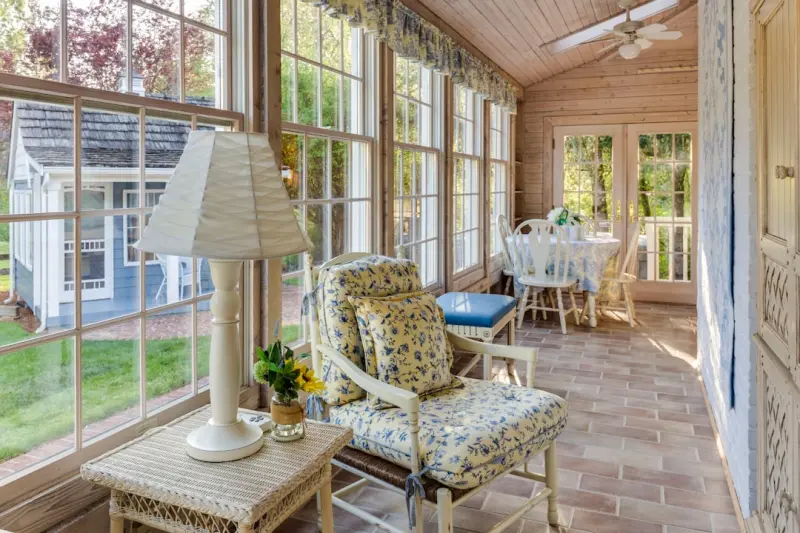
Designing a Sunroom That Works for Every Season and Lifestyle
From orientation to glazing, acoustics to smart controls, I share my hands‑on approach to building... Read More

Biophilic Sunrooms: Designing Nature‑Infused Spaces for Health and Creativity
Sunrooms can become powerful biophilic sanctuaries by integrating natural light, fresh air, sustaina... Read More

Reimagining Sunrooms: From Seasonal Nooks to Year‑Round Living Hubs
Turn your sunroom into a versatile, year‑round oasis with cutting‑edge glass, smart tech, and bi... Read More
Top Posts

The Invisible Advantage: How Smart Insulation Is Redefining Building Performance
Insulation is evolving from a passive barrier to a data‑driven performance layer. Learn how advanced materials, embedded sensors, and AI control can cut energ...Read More
The Trending Taps: A Lifan Chen Guide to Mastering Your Home's Plumbing
From preventing leaks to embracing smart home tech, Lifan Chen offers a comprehensive guide to understanding and maintaining your plumbing system. Learn practic...Read More
Turning Your Basement Into a Holistic Wellness Sanctuary
Learn step‑by‑step how to convert an underused basement into a holistic wellness retreat, covering air quality, artificial daylight, soundproofing, biophili...Read More

Why Duct Cleaning Is the Unsung Hero of Healthy Buildings
A comprehensive guide explains why duct cleaning is essential for indoor health, energy savings, and overall building performance, offering practical scheduling...Read More
0 Comments
Post Comment
You will need to Login or Register to comment on this post!