
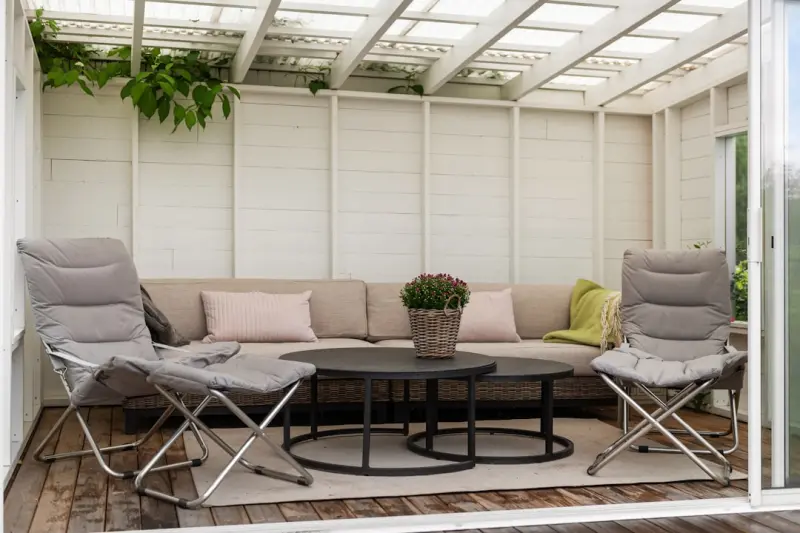
Why the Modern Sunroom Is the Ultimate Hybrid Workspace‑Wellness Hub
When I first added a sunroom to my family home, I thought I was simply buying a bigger place to sip coffee and stare at clouds. Fast‑forward a few seasons, and that glass‑enclosed rectangle has become my most valuable piece of real estate—a place where I write, brainstorm, host client calls, and even tend a modest herb garden. If you’re still treating a sunroom as just an “extra room with windows,” you’re missing out on a transformative design opportunity that blends productivity, health, and sustainability in a way few other home zones can.
Rethinking the Sunroom’s Purpose
Historically, sunrooms were marketed as “seasonal retreats” or “winter conservatories.” The narrative was simple: a bright space to escape the cold, often left under‑utilized once the temperature rose. Today, the narrative is shifting. Homeowners and designers alike are re‑imagining the sunroom as a multi‑functional hybrid hub—a place where work, wellness, and recreation intersect under a continuous canopy of natural light.
What drives this shift? Three forces:
- Remote work permanence. The office is no longer a fixed location. Professionals need adaptable environments that inspire focus without feeling claustrophobic.
- Health‑centric design. We now understand that exposure to daylight, fresh air, and plant life can boost mood, circadian rhythms, and even cognitive performance.
- Energy efficiency incentives. Modern glazing technologies let you harness passive solar gain without the heat‑loss penalties of older windows, turning the sunroom into a low‑cost climate buffer.
Design Foundations: Light, Air, and Acoustics
Before you pick out furniture or decide on a paint color, consider the three physical pillars that make a sunroom a true hybrid hub:
- Daylight distribution. The goal isn’t just “more light” but “even, glare‑free light.” Opt for low‑E, double‑glazed panels with a slight tint to diffuse harsh midday sun while preserving warmth. Skylights placed on the roof’s higher points can scatter light deeper into the room.
- Ventilation strategy. A sunroom should feel like a room, not a greenhouse. Install operable windows that can be opened in opposing walls to create a cross‑breeze. For those in more extreme climates, a heat‑recovery ventilator (HRV) can exchange stale indoor air for fresh outside air without sacrificing temperature.
- Acoustic comfort. Glass surfaces reflect sound, which can make video calls feel echo‑eyed. Soft furnishings—think acoustic ceiling tiles, plush rugs, and fabric wall panels—absorb reverberations. Adding a color palette that balances visual and sonic softness can also dampen noise while keeping the space energizing.
Creating a Productivity‑Friendly Layout
Once the physical envelope is optimized, think about how to stage the space for work. Here’s a layout checklist that has worked for my own sunroom and countless clients:
- Dedicated work zone. Position your desk near the longest wall where daylight runs parallel to the screen—this reduces glare on monitors.
- Ergonomic seating. Choose chairs with adjustable lumbar support. A standing desk can be a game‑changer when you need to stretch during long calls.
- Tech integration. Run power and Ethernet lines under the floor or behind the glazing frame to keep cords invisible. A smart thermostat linked to window sensors will automatically adjust heating or cooling as the sun’s angle changes.
- Visual separation. Use a low, movable partition—like a reclaimed wood screen—to delineate “work” from “relaxation” without closing off the space entirely.
Wellness Benefits That Translate to Better Work
It’s not just about aesthetics; there’s solid science behind why a sunroom can boost your output:
1. Natural Light and Circadian Rhythm
Exposure to blue‑rich daylight in the morning synchronizes your circadian clock, leading to sharper focus, higher alertness, and better sleep at night. A sunroom that faces east can act as a “sun alarm,” gradually brightening your workspace as the day begins.
2. Air Quality and Cognitive Function
Fresh air reduces CO₂ buildup—a known culprit of “brain fog.” By incorporating plants that filter volatile organic compounds (VOCs), you simultaneously improve air quality and add a soothing visual element.
3. Biophilic Connection (Without the Solar‑Infused Overlap)
Even if you’re not installing solar panels, the presence of living greenery, natural textures, and organic forms in a sunroom creates a subtle biophilic connection that reduces stress and enhances creativity.
Seasonal Flexibility: From Summer Oasis to Winter Study
A truly versatile sunroom should feel comfortable year‑round. Here’s how to transition seamlessly:
Insulation & Glazing
Invest in thermally broken frames and high‑performance glass with a solar heat gain coefficient (SHGC) tailored to your climate. In colder months, the sunroom becomes a passive solar collector, pre‑warming indoor air that can be circulated into the main house via a ducted fan.
Heating Options
Electric radiant floor heating is discreet and effective, but if you want a greener solution, consider a low‑temperature hydronic system that ties into your home’s existing boiler. Pair it with a programmable thermostat that learns your occupancy patterns.
Cooling Strategies
During hot spells, reflective exterior films and external shading devices (like pergola louvers) keep the glass from overheating. A ceiling‑mounted, low‑noise evaporative cooler can provide a gentle, energy‑efficient breeze without the bulk of a traditional AC unit.
Maintenance Made Simple—And Predictive
Sunrooms are often built with glass, which can be a maintenance headache if you don’t have a plan. This is where AI‑driven predictive maintenance can be a game‑changer. By installing moisture sensors on the glazing and humidity sensors near the plants, a simple dashboard alerts you to condensation risks before they turn into mold or frame rot. The system can also schedule cleaning reminders based on the amount of sunlight exposure each pane receives, ensuring you never have a cloudy view due to grime.
Design Inspiration: From Minimalist to Maximalist
There’s no one‑size‑fits‑all aesthetic for a sunroom. Below are three design archetypes that illustrate how the space can be tailored to personal taste while retaining its hybrid functionality.
Minimalist Zen
Clean lines, a neutral palette, and a handful of low‑maintenance succulents create a calming backdrop for deep work. Use a floating desk made of reclaimed teak, and keep accessories to a minimum—perhaps a single, statement‑size abstract painting that draws the eye without distracting.
Eclectic Creative Studio
Layer colorful textiles, vintage furniture, and an array of potted herbs and vegetables. A chalkboard wall invites brainstorming sessions, while a built‑in shelving system houses art supplies, books, and a compact 3‑D printer. This style thrives on visual stimulation, perfect for designers and makers.
Luxury Retreat
Think plush sofas, a built‑in fireplace with a glass front, and a small plunge pool or hot tub. High‑end acoustic panels double as decorative art, and a high‑resolution wall‑mounted TV provides a backdrop for presentations or entertainment. This is the sunroom for CEOs who need a space that feels both executive and restorative.
Smart Integration Without Over‑Engineering
While it’s tempting to fill the sunroom with every gadget on the market, the key is to prioritize technology that enhances the core benefits—light, air, and comfort. Here are my top three smart upgrades:
- Smart glass tint. Electrochromic windows adjust their opacity based on sunlight intensity, reducing glare and heat gain automatically.
- Voice‑controlled climate. Connect your thermostat, ceiling fans, and HRV to a single voice assistant for effortless adjustments.
- Environmental monitoring hub. A single sensor suite tracks temperature, humidity, CO₂, and light levels, feeding data to a mobile app that suggests when to open a window or dim the glass.
Integrating a Sunroom into the Wider Home Ecosystem
Think of the sunroom as an extension of your home’s “zoning” strategy. By linking it to existing HVAC, lighting, and security systems, you can manage it as a coherent part of the property rather than an isolated annex.
- HVAC Zoning. Use a separate thermostat for the sunroom that communicates with the main system. This ensures you can heat or cool the space independently, saving energy when it’s not in use.
- Lighting Automation. Pair daylight sensors with dimmable LED fixtures. When natural light drops below a threshold, the lights rise to maintain a consistent illumination level for work tasks.
- Security Integration. A glass‑break sensor combined with a motion detector can alert you to any intrusion, while still allowing the space to feel open and inviting during the day.
Cost Considerations and Return on Investment
Many homeowners shy away from sunroom projects due to perceived high costs. However, the ROI can be compelling when you factor in:
- Energy savings. Properly designed glazing reduces heating loads in winter and cooling loads in summer, often offsetting the initial investment within 5‑7 years.
- Increased property value. Real estate appraisals consistently show a premium of 5‑10% for homes with high‑quality sunrooms, especially when they’re marketed as “work‑from‑home suites.”
- Productivity gains. While harder to quantify, many remote professionals report a measurable uplift in output when they have a dedicated, inspiring workspace.
Case Study: Turning a Dormant Conservatory into a Revenue‑Generating Studio
One of my clients, a freelance interior photographer, owned a 12‑by‑18‑foot conservatory that was used only for occasional plant care. We transformed it into a fully‑equipped studio:
- Installed a high‑CRI LED panel system for consistent lighting.
- Added a retractable blackout curtain for shoot control.
- Equipped the room with a portable power outlet bank and a high‑speed Wi‑Fi extender.
- Implemented the predictive maintenance hub to monitor humidity, protecting both equipment and plants.
Within three months, she booked multiple commercial shoots, generating an additional $15,000 in revenue—demonstrating how a sunroom can evolve from a decorative afterthought into a profit center.
Final Thoughts: The Sunroom as a Lifestyle Lever
If you still view a sunroom as a decorative appendage, you’re overlooking a powerful lever for lifestyle optimization. By designing for light, air, acoustics, and smart integration, you can create a space that fuels productivity, nurtures health, and adds tangible value to your property.
Whether you’re a remote worker craving a fresh backdrop, a creative professional seeking a light‑filled studio, or a homeowner looking to boost resale value, the modern sunroom offers a flexible canvas. Embrace its hybrid potential, and you’ll find that the line between work and well‑being can finally be a sun‑kissed pane of glass.

Craig Brett is a freelancer with a passion for the outdoors. His love for nature inspires his work, bringing authentic and engaging perspectives to projects related to outdoor activities, adventure, and environmental topics.
Related Posts

Turning Sunrooms into Year-Round Productivity Hubs
Learn practical design, technology, and ergonomic strategies to convert a seasonal sunroom into a ye... Read More

Beyond the View: Turning Sunrooms into High‑Performance Remote‑Work Studios
Turn your sunroom into a high‑performance remote‑work studio. Learn design strategies, smart tec... Read More
Sunroom Design Trends: Blending Style and Sustainability
Create a stunning and sustainable sunroom that brings in natural light and connects you with nature.... Read More
Top Posts

The Insulation Upgrade That Pays Off: A Veteran Contractor’s Blueprint
Learn why insulation is the cornerstone of sustainable living, how to pick the right material, avoid common mistakes, and integrate it with green systems for la...Read More

Tree Care from a Sustainable Contractor’s Perspective: Craig Brett’s Guide to Greener Growth
Contractor Craig Brett shares practical, sustainable tree care tips—pruning, soil health, water management—to boost home efficiency and protect the environm...Read More

Snow Removal Reinvented: Data, IoT, and Sustainable Strategies for Modern Facilities
A fresh look at snow removal shows how predictive weather data, IoT‑enabled equipment, and sustainable de‑icing can turn a seasonal headache into a strategi...Read More

Backyard Powerhouses: How Sheds & Gazebos Reinvent Corporate Flexibility
Sheds and gazebos are evolving from simple storage or leisure structures into strategic micro‑offices and wellness pods, offering companies low‑cost flexibi...Read More
0 Comments
Post Comment
You will need to Login or Register to comment on this post!