
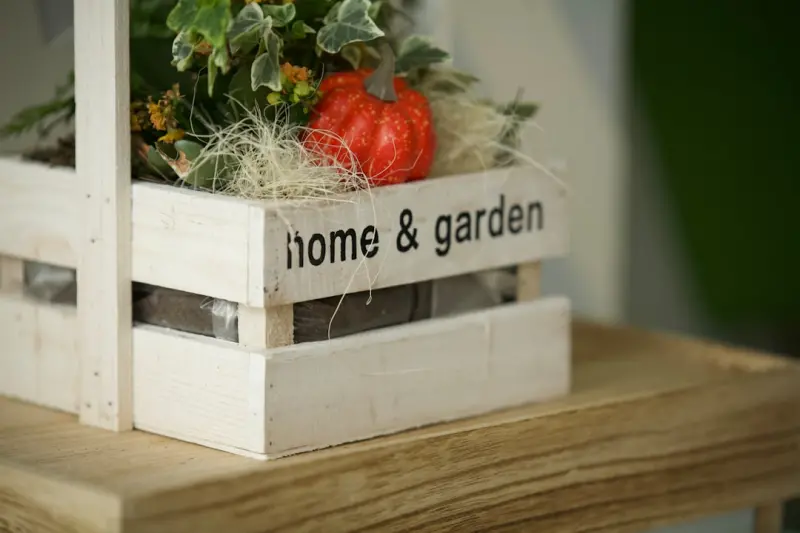
When I first swapped my toolbox for a trowel, I thought “garden” meant a weekend hobby and “home” meant four walls and a roof. Decades later, I’ve learned that the line between indoor comfort and outdoor vitality is thinner than a freshly‑cut hedge. The concept that’s reshaping my latest projects is biophilic design – a purposeful, science‑backed approach to invite nature’s best‑behaved guests (light, air, water, and living organisms) into the heart of our living spaces.
Why Biophilia Isn’t Just a Trend
Humans evolved under canopies of trees, beside streams, and amidst the rhythmic chorus of birds. Our brains still crave those cues. Research shows that exposure to natural elements can lower cortisol, improve focus, and even accelerate recovery after illness. Yet, in an age of remote work and climate‑induced uncertainty, many of us spend upwards of 90 % of our waking hours indoors. The disconnect is palpable – until you deliberately design spaces that echo the outdoors.
Biophilic design isn’t about plastering a few succulents on a windowsill and calling it a day. It’s a layered strategy that weaves nature into architecture, décor, and daily routines. Think of it as a blueprint for wellbeing that simultaneously boosts property value and reduces environmental impact.
The Science Behind the Feeling
Neuroscientist Stephen Kaplan identified two core responses to natural environments: “being away” – the mental break from routine, and “extent” – the sense that a space is large enough to explore. When we replicate these qualities at home, we trigger restorative states that improve cognition and mood. The four pillars of biophilic design – direct nature, indirect nature, space and place, and human‑nature interaction – give us a framework to translate theory into concrete actions.
Starting Small: Curating an Indoor Plant Sanctuary
For many, the easiest entry point is a well‑chosen plant collection. The trick isn’t just picking the prettiest foliage; it’s selecting species that thrive in your home’s micro‑climate and serve functional purposes.
- Air‑purifying allies: Spider plants, snake plants, and peace lilies actively filter volatile organic compounds (VOCs), making your indoor air cleaner.
- Humidity managers: Boston ferns and peace lilies release moisture, a subtle boon for dry winter months.
- Low‑maintenance options: ZZ plants and pothos can tolerate irregular watering schedules, perfect for busy professionals.
Arrange plants at varying heights to create visual depth. A tall ficus in the corner, a trailing pothos on a bookshelf, and a cluster of small succulents on a coffee table together craft a layered, natural “forest floor” that satisfies the human need for “extent”.
Light, Air, and Water: The Trifecta of Comfort
Natural light is the most potent catalyst for biophilic spaces. It regulates circadian rhythms, enhances mood, and even improves the health of your plants. If your home lacks ample windows, consider installing skylights or light‑diffusing solar tubes. Pair them with sheer curtains that soften glare while preserving daylight.
Air circulation works hand‑in‑hand with plants. Openable transoms, ceiling fans, and strategically placed vents keep stale air at bay. For homes in drier climates, a humidifier can complement the moisture output of your indoor garden, achieving a balanced micro‑climate.
And water? This is where technology can quietly amplify nature’s rhythm. smart gutters collect runoff, filter debris, and channel it into rain barrels equipped with sensors. The stored water can then be routed to a drip‑irrigation system that automatically waters your indoor and outdoor plants based on soil moisture readings. It’s a seamless loop: rain becomes data, data becomes water, water becomes growth.
Outdoor Extensions: Patios That Breathe
When the boundary between indoor and outdoor blurs, your living space expands dramatically. A well‑designed patio can serve as a second living room, a home office, or a meditative retreat. Here are three design principles to keep it biophilic:
- Material harmony: Choose reclaimed wood, natural stone, or sustainably sourced composite decking. These textures echo the earth and age gracefully over time.
- Green enclosures: Incorporate trellises with climbing vines, or create a living wall of hardy succulents. The greenery not only adds privacy but also filters dust and pollen.
- Flexible furniture: Modular seating allows you to reconfigure the space for dinner parties, yoga sessions, or solo reading, satisfying the “being away” response.
Tech Meets Nature: Intelligent Fencing for Peace of Mind
Security and sustainability need not be at odds. intelligent fencing blends discreet sensors, solar‑powered lighting, and low‑profile cameras to protect your garden without breaking the aesthetic flow. The system can even integrate with your irrigation controller, pausing water flow when motion is detected to conserve resources during high‑traffic periods.
Sustainable Materials & Finishes: From Floor to Ceiling
Biophilic design thrives on authenticity. Opt for finishes that tell a story:
- Cork flooring: Renewable, breathable, and warm underfoot – it’s a perfect substrate for both yoga and barefoot strolls.
- Low‑VOC paints: Choose pigments derived from natural minerals; they emit fewer chemicals, preserving indoor air quality.
- Recycled glass tiles: Ideal for backsplashes and bathroom showers, they reflect light like water, adding a subtle sparkle.
When you select these materials, you’re not just reducing your carbon footprint; you’re inviting tactile experiences that deepen the connection to the natural world.
Maintenance Made Easy: A Handyman’s Perspective
One of the biggest objections to biophilic upgrades is the perceived upkeep. As someone who’s spent more than three decades on ladders and in basements, I can assure you that with the right systems in place, maintenance becomes a low‑effort habit rather than a chore.
- Automation: Smart irrigation, as mentioned, handles watering. Automated light timers adjust artificial lighting to complement daylight.
- Modular plant units: Pre‑planted, self‑watering modules can be swapped out seasonally, keeping the look fresh without re‑potting.
- Scheduled inspections: A quarterly walk‑through—checking soil moisture, cleaning dust from leaves, and pruning dead growth—keeps the ecosystem thriving.
Think of it as a “maintenance‑as‑service” model for your home’s living components.
The ROI of Going Green
Beyond the intangible health benefits, biophilic upgrades can deliver tangible financial returns. Homes with abundant natural light and indoor greenery often command a premium in resale markets. Sustainable materials and energy‑efficient systems lower utility bills, and the added allure of a garden‑focused lifestyle can shorten time on market. In many cases, the payback period for investments such as smart irrigation or reclaimed‑wood decks is under five years.
Closing Thoughts: Your Home as a Living Entity
Biophilic design isn’t a one‑size‑fits‑all checklist; it’s an evolving conversation between you, your home, and the environment. Start with one plant, add a skylight, upgrade your fence, and let each step inspire the next. In the end, you’ll find that the most valuable renovation isn’t the one that adds square footage, but the one that adds life.

Paul Gray is a dynamic blogger based in Brampton, where he shares his life with his amazing wife, Sarah. Known for his engaging writing style and relatable insights, Paul has carved out a niche in the blogging world that resonates with readers from all walks of life. When he's not crafting captivating posts, you can find him savoring a cold beer or indulging in the latest blockbuster movie. With a friendly demeanor and a passion for storytelling, Paul brings a unique perspective to his work, making him not just a blogger, but a voice for those who appreciate the simple joys of life.
Related Posts

Pocket Gardens: Turning Forgotten Corners into Lush Urban Oases
Discover the art of pocket gardens—small, affordable green spaces that turn under‑used nooks int... Read More

Transforming Your Home's Potential: A Comprehensive Guide to Outdoor Renovations
Transform your home's potential with outdoor renovations! Learn how to create a stunning outdoor spa... Read More
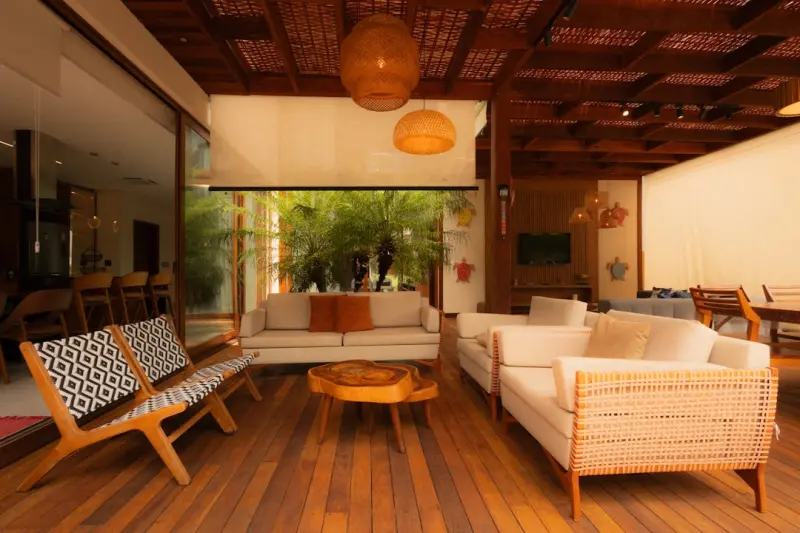
Creating a Year‑Round Outdoor Living Room: Seasonal Styling and Comfort
Turn your patio into a year‑round haven with durable flooring, weather‑proof furniture, layered ... Read More
Top Posts
Eco‑Friendly Drywall: Reducing the Carbon Footprint One Wall at a Time
A deep dive into eco‑friendly drywall practices, from recycled gypsum and low‑VOC compounds to moisture‑resistant panels and design for disassembly, showi...Read More

The Hidden Benefits of a Proactive Carpet Cleaning Routine
Learn why regular, science‑backed carpet cleaning is essential for health, durability, and cost savings, and how to integrate eco‑friendly methods into your...Read More

Reinventing Drywall: High‑Performance Walls for Comfort, Efficiency, and Smarts
Discover a fresh approach to drywall that integrates acoustic backing, reflective insulation, recycled gypsum, and embedded IoT sensors, delivering quieter, mor...Read More

Permit Power: Turn Red Tape into Project Momentum
A seasoned contractor shares proven strategies to streamline permit approvals, leveraging digital tools, predictive analytics, and relationship building to keep...Read More
0 Comments
Post Comment
You will need to Login or Register to comment on this post!