
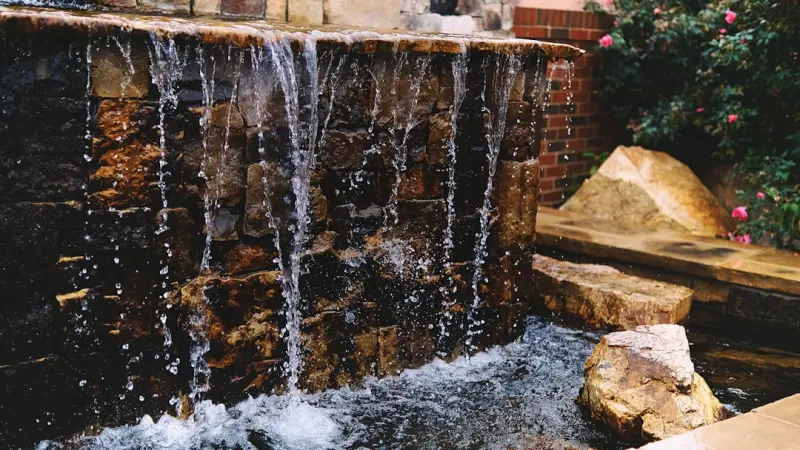
Why a Water Feature Deserves a Spot in Your Garden
When you step onto your patio and hear the gentle murmur of moving water, the stress of a hectic day seems to melt away, and that sensory shift is exactly the kind of everyday luxury many homeowners overlook in pursuit of square‑foot efficiency. Designing a water feature isn’t merely about installing a fountain; it’s an invitation to weave a dynamic, living element into the static fabric of stone, soil, and shrub, turning a simple yard into a sanctuary that rewards both sight and sound while subtly influencing micro‑climates around it. By treating the feature as a central organ rather than an afterthought, you can create a focal point that draws the eye, encourages wildlife, and even helps regulate temperature, making the garden feel larger and more inviting throughout the year.
Mapping the Space and Setting Realistic Goals
The first step is a honest assessment of your property’s topography, sun exposure, and existing drainage patterns, because a misaligned basin can become a costly eyesore faster than you can say “overflow.” I always start with a rough sketch on graph paper, marking the high‑point of the lawn, the low‑point where water naturally pools, and any hardscape that will frame the feature, then I overlay a scaled bubble representing the desired water body to see how it interacts with foot traffic routes and plant beds. By establishing clear goals—whether you crave a tranquil koi pond, a playful splash zone for kids, or a minimalist bubbling stone—you can narrow down size, shape, and material choices before the first shovel hits the ground, keeping the project on budget and on schedule.
Selecting the Right Pump and Filtration System
Choosing a pump is more nuanced than picking the loudest model; the ideal unit must match the volume of water, desired flow rate, and the energy efficiency standards that keep operating costs low while maintaining a whisper‑quiet presence at night. I recommend starting with a calculation: multiply the total gallons of your basin by the number of turnovers you’d like per hour—usually one to three for a decorative feature—and then select a pump that delivers that flow without exceeding 50 percent of its maximum capacity, ensuring longevity and quieter operation. Pair the pump with a multi‑stage filtration system that first traps larger debris through a coarse filter, then passes the water through a bio‑media cartridge that encourages beneficial bacteria, effectively creating a self‑cleaning loop that reduces the need for frequent manual cleaning.
Blending the Feature Seamlessly with Plantings
Water and plants are natural allies, but the key is to choose species that thrive in moist soils without becoming invasive, and that complement the water’s reflective qualities with texture and color contrast. I love integrating marginal plants such as irises, marsh marigolds, and dwarf cattails along the shallow edges, allowing their foliage to dip into the water and create a soft, moving frame that changes with the seasons, while taller ornamental grasses stand back to give the eye a sense of depth. When you plant in tiers—low‑lying groundcovers at the waterline, mid‑height perennials a foot back, and structural shrubs further out—you create a layered ecosystem that not only looks intentional but also provides habitat for beneficial insects and birds, reinforcing the garden’s overall biodiversity.
Harnessing Smart, Low‑Maintenance Technologies
Modern water features can be equipped with sensors and timers that automatically adjust flow based on temperature, wind speed, and even rain forecasts, preventing splash loss on windy days and conserving energy during cooler evenings. For instance, a smart awning solution can be paired with your pond’s cover system, deploying a retractable shade when the sun is at its peak to reduce evaporation while still allowing sunlight to filter through for photosynthesis. Similarly, incorporating regenerative landscaping principles—such as using bio‑char in the surrounding soil—enhances water retention, meaning the feature stays full longer and requires fewer top‑ups, delivering a truly low‑maintenance experience that feels almost magical.
Lighting the Water for Day‑and‑Night Drama
Strategic lighting transforms a modest fountain into a night‑time masterpiece, and the choice of fixtures can dictate whether the effect is subtle ambience or bold theatricality; LED submersible lights with adjustable color temperature let you shift from a soothing blue hue at dusk to a vibrant green for evening gatherings. I advise installing a low‑voltage, waterproof transformer near the pump, then running conduit beneath the mulch to hide cables, preserving the natural look of the garden while ensuring safety. By positioning lights at varying depths—some just beneath the surface, others aimed at the water’s edge—you create layers of illumination that highlight ripples, reveal the texture of stones, and draw attention to the surrounding plants, turning the feature into a living lantern that beckons guests long after the sun sets.
Establishing a Simple Maintenance Rhythm
Even the most advanced water feature benefits from a regular, low‑effort maintenance schedule, and the secret to staying ahead of problems is to perform a quick visual inspection once a week, checking for algae blooms, pump noise, and water level fluctuations, then scheduling a deeper clean every quarter. During the seasonal deep clean, remove the pump and filter cartridges, scrub the basin with a soft brush and an algae‑safe cleaner, and replace any worn seals, a process that usually takes less than an hour if the feature was designed with removable panels and access points. By keeping a small log of water chemistry—pH, hardness, and chlorine levels—you can make minor adjustments before they become major issues, ensuring crystal‑clear water and a thriving ecosystem year after year.
Final Thoughts: Turning a Simple Idea into a Lasting Oasis
Building a low‑maintenance water feature is less about grand gestures and more about thoughtful integration, where each component—from pump selection to plant choice, lighting, and smart controls—works in harmony to create a living centerpiece that elevates the entire property. When you approach the project with a clear vision, realistic budgeting, and a commitment to periodic, light‑touch care, the result is a resilient, aesthetically pleasing element that offers continuous sensory rewards without demanding endless labor. In the end, the gentle sound of water becomes a daily reminder that your garden is not just a collection of static objects, but a dynamic, breathing space that nurtures both the environment and your own sense of well‑being.

Tom Ferguson is a Canadian freelance writer with a passion for storytelling, current events, and thoughtful commentary. Drawing on years of writing experience, he shares engaging insights on a wide range of topics, bringing a uniquely Canadian perspective to his work.
Related Posts
Turning Your Backyard into a Low‑Maintenance Pollinator Haven
A practical guide to designing a thriving pollinator-friendly garden that looks great year‑round w... Read More

Sustainable Home Restoration: A Comprehensive Guide to Eco-Friendly Renovations
Learn about sustainable home restoration and how to create an eco-friendly home with our comprehensi... Read More

The Future‑Ready Garden: Blending Nature and Smart Tech for Everyday Bliss
A tech‑enhanced garden goes beyond gadgets, offering intelligent watering, responsive solar lighti... Read More
Top Posts

Invisible Energy: Continuous IoT Audits Redefine Building Performance
Continuous IoT audits replace periodic checklists with real‑time insights, enabling predictive maintenance, dynamic demand response, and seamless ESG reportin...Read More

Circular Construction: Turning Waste into Value for Home Builders
A practical guide for contractors on adopting circular construction methods that reduce waste, cut costs, and enhance project value....Read More

Why Your Home Alarm System Deserves a Sustainable Upgrade
Explore the shift to sustainable home alarm systems, from low‑power panels and solar batteries to AI‑driven sensors, and learn practical steps for greener s...Read More

The Critical Role of Sustainable Practices in Home Inspections
Sustainable practices play a critical role in home inspections, enabling homeowners to identify opportunities to improve the eco-friendliness of their property ...Read More
0 Comments
Post Comment
You will need to Login or Register to comment on this post!