

Why the Modern Garage Needs to Evolve
When most people think about a garage, they picture a concrete‑slab box that stores a car and maybe a few boxes of holiday decorations. In my twenty‑plus years of working on residential projects, I’ve seen that mindset shift dramatically. Homeowners are demanding more from every square foot of their property, and the garage is no longer a afterthought—it’s a strategic asset that can boost sustainability, convenience, and even wellbeing.
From Storage Shed to Energy Hub
One of the most exciting trends I’m witnessing is the conversion of the garage into a home‑scale energy hub. This means pairing a solar canopy with built‑in EV charging, integrating battery storage, and using the space to house smart climate controls. The result is a garage that does more than protect your vehicle; it actively contributes to a carbon‑neutral household.
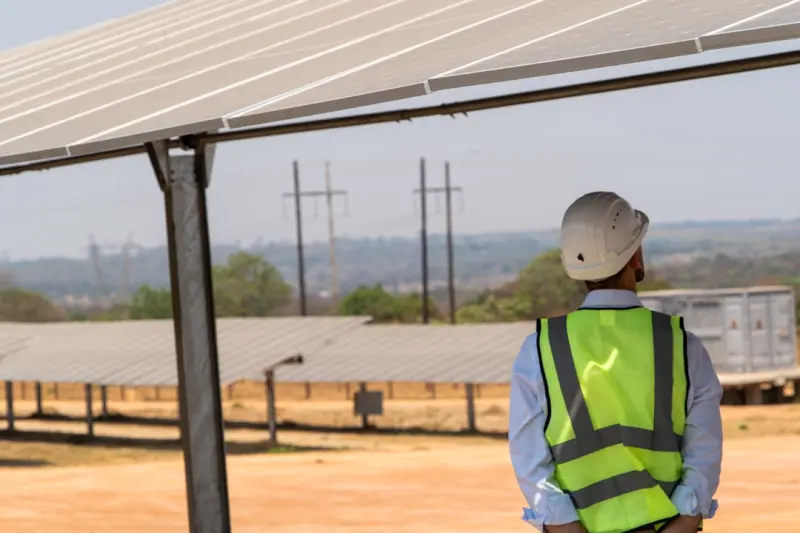
Solar Canopies: Power Where You Need It
Traditional rooftop solar panels are great, but a purpose‑built garage canopy offers several distinct advantages:
- Optimized Tilt and Orientation – Because the canopy is a standalone structure, you can angle the panels for maximum sun exposure without compromising roof aesthetics.
- Protected Parking – Your car stays shaded, reducing interior heat and protecting paintwork, while the panels harvest sunlight.
- Scalable Design – Modular panel sections let you start small and expand as your energy needs grow.
When I design a garage canopy, I always coordinate the electrical conduit routes early. This makes the later addition of EV chargers and home battery systems seamless.
Integrated EV Charging Stations
Electric vehicles are no longer a niche market. If you own an EV—or are planning to—having a dedicated charger in the garage is a game‑changer. Here’s how to get it right:
- Level 2 Charging – A 240‑volt charger can add 20‑30 miles of range per hour, perfect for daily commutes.
- Smart Load Management – Connect the charger to a home energy management system so it draws power when solar production is high, reducing grid reliance.
- Future‑Proof Wiring – Install conduit with extra capacity (e.g., 6 AWG copper) to accommodate faster chargers that may appear in the next few years.
Pairing the charger with your solar canopy creates a closed loop: the sun powers the car, and the garage becomes a showcase of clean energy in action.
Battery Storage: Keeping the Power When You Need It
Even the best solar setup faces the classic problem of intermittency. A compact garage‑mounted battery solves that by storing excess daytime generation for nighttime use. When selecting a battery system, consider:
- Depth of Discharge (DoD) – Higher DoD means you can use more of the stored energy.
- Cycle Life – Look for warranties that guarantee thousands of cycles; it pays off in the long run.
- Thermal Management – Proper ventilation in the garage prevents overheating, extending battery lifespan.
Strategically placing the battery near the EV charger reduces voltage drop and simplifies wiring, while keeping it out of sight behind a sleek cabinet.
Smart Lighting and Automation
Modern garages are also benefiting from intelligent lighting. Motion‑sensing LEDs turn on as you enter, and daylight sensors dim the lights when the solar canopy provides ample illumination. Integrate the lighting with a voice‑assistant or smartphone app, and you can set scenes—like “Workshop Mode” with bright, focused light, or “Evening Chill” with warm, low‑level illumination.
Air Quality and Comfort
Many garage owners overlook indoor air quality, yet the space often houses chemicals, fumes, and dust. By sealing the garage envelope and installing a dedicated ventilation system, you can maintain a healthier environment. Pair ventilation with a heat‑recovery unit to keep energy losses low.
For those who spend time in their garage—whether as a workshop, gym, or hobby room—considering high‑performance insulation techniques makes a big difference. Proper insulation keeps the space comfortable year‑round and reduces the load on your home’s HVAC system.
Waterproofing: Guarding Against Moisture Intrusion
A common pain point in garages is water seepage, especially in regions with heavy rain or high water tables. Moisture can damage stored items, corrode tools, and compromise electrical components. Implementing effective waterproofing strategies—such as a perimeter French drain, a sloped concrete slab, and a quality waterproof membrane—creates a dry, reliable foundation for all the high‑tech gear you’ll be installing.
Modular Storage Solutions
Smart storage isn’t just about fitting more shelves; it’s about designing flexible systems that adapt as your needs evolve. Here are a few ideas that work well in an energy‑focused garage:
- Adjustable Wall Panels – Sliding panels let you reconfigure tool zones without rebuilding walls.
- Lift‑Top Workbenches – Raise the work surface to access stored items below, maximizing vertical space.
- Integrated Power Strips – Built‑in outlets and USB ports keep chargers and power tools organized and ready.
Materials Matter: Choosing Sustainable, Durable Finishes
When you’re building a garage that will host solar equipment and batteries, material selection becomes critical. Opt for:
- Recycled Steel Framing – Strong, corrosion‑resistant, and lower carbon footprint than traditional steel.
- Low‑VOC Paints – Improves indoor air quality while providing a durable finish.
- Concrete Additives – Incorporating fly ash or slag reduces the embodied carbon of the slab and improves durability.
These choices align the garage’s construction with the broader sustainability goals you’re setting for your home.
Future‑Proofing with Smart Home Integration
Today’s garages are becoming nodes in the larger smart‑home ecosystem. By connecting the garage’s energy assets to a central hub, you can:
- Monitor solar production and battery state of charge in real time.
- Receive alerts if moisture sensors detect a leak.
- Automate lighting, climate control, and even garage door operation based on occupancy.
Most platforms support APIs, meaning you can customize dashboards or integrate with third‑party services that track carbon savings or electricity pricing.
Cost Considerations and Return on Investment
It’s natural to ask, “Is all this worth the money?” The answer lies in a holistic view of value:
- Energy Savings – A well‑sized solar canopy can offset a significant portion of your household electricity bill.
- EV Fuel Cost Reduction – Charging at home with solar power is cheaper than gasoline or public charging stations.
- Home Value Boost – Green upgrades, especially visible ones like a solar garage canopy, are attractive to buyers.
- Longevity – Proper waterproofing and insulation protect the structure, reducing maintenance costs over decades.
When you add up the savings and the added resale value, many homeowners see a positive ROI within 8‑10 years.
Case Study: A Family’s Sustainable Garage Transformation
Last winter, I worked with the Martinez family, who wanted to turn their aging garage into a hub for their new electric SUV. We started by excavating a slight slope to improve drainage, then installed a high‑grade waterproof membrane and a perimeter French drain. Next, we erected a 24‑panel solar canopy with a 6 kW array, integrated a 10 kWh lithium‑ion battery, and added a Level 2 EV charger wired to a smart load‑balancing system.
We also sealed the walls with spray‑foam insulation (the same approach highlighted in the high‑performance insulation techniques article) and finished the interior with low‑VOC epoxy floor coating.
Six months after completion, the Martinez family reported a 30 % reduction in their utility bill and the peace of mind that their car is always charged with clean energy. The garage now serves as a workshop, a home gym, and a showcase for sustainable living.
Getting Started: Your Roadmap to a Sustainable Garage
Ready to turn your garage into a clean‑energy powerhouse? Follow this simple roadmap:
- Assess Site Conditions – Check roof orientation, drainage, and structural capacity.
- Define Energy Goals – Determine how much solar capacity you need and whether you’ll install a battery.
- Plan for Waterproofing and Insulation – Use proven methods to keep the space dry and thermally efficient.
- Select Smart Equipment – Choose EV chargers, lighting, and ventilation that can integrate with your home automation system.
- Design Modular Storage – Ensure the layout supports both energy equipment and everyday use.
- Hire a Qualified Contractor – Look for experience with solar installations, electrical work, and high‑performance building envelopes.
By treating the garage as a holistic system rather than a collection of disparate parts, you’ll create a space that serves you today and adapts to tomorrow’s technologies.
Conclusion: The Garage as a Catalyst for Sustainable Living
In my view, the garage is one of the last frontiers for residential sustainability. When you combine solar generation, EV charging, smart controls, and high‑performance building science, the garage transforms from a simple shelter into a catalyst that accelerates your whole home’s green journey. It’s an investment that pays back in energy savings, comfort, and future‑proofing—all while keeping your car safe and your tools organized.
So the next time you think about renovating that concrete box, imagine the possibilities: a solar‑powered charging station, a quiet climate‑controlled workshop, and a resilient, dry space that stands up to the elements. That’s the garage of the future, and it starts with a single, well‑planned decision today.

Kelly Reynolds is a dynamic freelance writer hailing from the picturesque landscapes of Alberta. A master of the written word, she juggles her passion for storytelling with the exhilarating chaos of being a mother to five spirited children. With an impressive portfolio that spans various genres, Kelly captivates readers through her engaging blog posts and thought-provoking articles.
Related Posts

Reimagining the Garage: From Car Shelter to Smart Home Extension
A modern garage can be more than just a place for cars; it can host EV charging, a home gym, worksho... Read More

Reimagining Your Garage: The Ultimate Multi‑Purpose Makeover
Discover how to transform a traditional garage into a versatile, sustainable, and stylish hub—boos... Read More

Future‑Ready Garage Design: From Car Shelter to Multi‑Use Hub
Learn how to turn a traditional garage into a versatile, energy‑efficient hub that supports cars, ... Read More
Top Posts
Solar Energy as a Service: Turning Light into a Business Asset
A deep dive into Solar-as-a-Service, showing businesses how to monetize solar power through subscription models, reduce capital risk, and future‑proof operati...Read More

Crafting Competitive Edge: The Rise of Decorative Plaster in Commercial Spaces
Decorative plaster, once reserved for historic monuments, is now a strategic tool for modern businesses. This post explores how bespoke plaster finishes elevate...Read More

The Art of Drywalling: A Comprehensive Guide
Drywalling is an essential step in building or renovating a home. Learn the tips and techniques for a smooth finish and durable drywall installation with our co...Read More

Handyman Hacks for Sustainable Home Fixes
A veteran handyman shares sustainable repair strategies, from water‑saving fixtures to green cleaning, helping homeowners cut costs and protect the planet....Read More
0 Comments
Post Comment
You will need to Login or Register to comment on this post!