

Why Sound Matters More Than You Think
When I first moved into my downtown loft, the constant hum of traffic, the occasional clatter from the neighbor’s home gym, and the reverberating echo of my own footsteps made me realize something: a home isn’t just about visual aesthetics, it’s an acoustic environment too. Good sound quality can turn a chaotic space into a sanctuary, boost productivity, and even improve your health. Yet, most homeowners overlook the acoustic dimension because they assume it requires pricey renovations or professional installers. In reality, a handful of thoughtful, budget‑friendly tweaks can dramatically quiet your home without compromising style.
Start with the Source – Identify the Noise Culprits
Before you reach for any product, spend a weekend listening. Walk through each room with a notebook (or your phone) and note down three things:
- External intrusions: traffic, construction, airplane routes.
- Internal sources: HVAC systems, appliances, foot traffic.
- Structural reflections: echoey walls, bare floors, high ceilings.
Understanding where the noise originates helps you target solutions effectively. For example, if the hallway echo is the main issue, a rug or a set of wall hangings might do the trick. If street noise seeps through windows, consider a simple window seal upgrade before you think about replacing the entire pane.
Floor Solutions: Rugs, Underlay, and DIY Carpet Tiles
Hard flooring is a primary amplifier of sound. Adding a layer between the foot traffic and the subfloor absorbs impact noise. A high‑density rug with a felt underlay can cut airborne noise by up to 40%. If you love the look of hardwood but need quiet, try micro‑zoning strategies that designate high‑traffic zones and outfit them with modular carpet tiles. These tiles snap together, are easy to replace, and let you experiment with colors and patterns without a permanent commitment.
Wall Treatments: From Simple Hangings to Acoustic Panels
Plain drywall reflects sound like a mirror. Introducing soft, porous materials helps break up that reflection. Start with what you already have:
- Fabric wall art: Large tapestries, quilts, or even a gallery of framed fabric panels can add visual interest while dampening echo.
- Bookshelves: Filled shelves act as diffusers, scattering sound waves and reducing reverberation.
- Acoustic foam: For a more technical approach, peel‑and‑stick acoustic foam tiles are inexpensive and come in various colors to blend with your décor.
Remember, the goal isn’t to create a recording studio; it’s to soften the ambient noise enough that you can hold a conversation without raising your voice.
Ceiling Tricks: Softening the Upper Plane
High ceilings can make a room feel airy, but they also create a canyon effect for sound. If you have a drop ceiling, replace the standard tiles with acoustic panels that double as decorative elements. If the ceiling is open, consider hanging a series of lightweight, acoustic clouds—essentially thick fabric panels suspended from thin wires. Not only do they look modern, but they also capture sound that would otherwise bounce back down.
Window & Door Sealing: The First Line of Defense
Even the most beautifully sound‑treated interior can be compromised by gaps around windows and doors. Simple weather‑stripping kits can seal those leaks, and a smart gutter system often includes additional sealing solutions that double as rain barriers and acoustic buffers. Adding a heavy, insulated curtain can also help—choose a fabric with a tight weave for maximum noise reduction.
Smart, Low‑Cost Tech: Harnessing the Power of DIY Automation
If you enjoy tinkering, you can turn everyday devices into noise‑monitoring allies. A small Arduino board paired with a sound sensor can alert you when ambient noise exceeds a set threshold, prompting you to close windows or turn down the TV. For a more plug‑and‑play solution, consider a AI‑driven home alarm system that integrates acoustic monitoring. While primarily a security tool, its advanced sound analysis can identify unexpected noise spikes—like a leaky pipe or a malfunctioning appliance—allowing you to address them before they become bigger issues.
Furniture Placement: Shaping the Sound Landscape
Strategic furniture arrangement can act as an organic sound barrier. Place larger pieces—like sofas, bookcases, or wardrobes—against walls that face noisy streets. This not only blocks sound but also creates a cozy nook that feels intentionally designed for relaxation. When you’re arranging a home office, try positioning your desk away from windows and near a soft-backed chair to absorb ambient chatter.
Maintenance Matters: Keep Your Quiet Systems Working
Any sound‑absorbing material will lose its effectiveness if it becomes dirty or warped. Vacuum rugs regularly, flip and rotate carpet tiles, and clean acoustic panels with a dry brush to remove dust. For window seals and door weather‑stripping, a quick inspection every six months can catch wear before it lets noise slip through. This routine maintenance ensures your investment in quiet stays effective for years to come.
Conclusion: A Quiet Home Is Within Reach
Creating a serene acoustic environment doesn’t require a full‑scale renovation or a massive budget. By identifying the primary noise sources, layering soft materials, sealing gaps, and using a touch of smart tech, you can transform even the busiest household into a calm retreat. The best part? Most of these solutions are reversible, allowing you to experiment, iterate, and fine‑tune your space as your needs evolve. So, grab a rug, hang a tapestry, and let the quiet revolution begin—right in your own living room.

Tom Ferguson is a Canadian freelance writer with a passion for storytelling, current events, and thoughtful commentary. Drawing on years of writing experience, he shares engaging insights on a wide range of topics, bringing a uniquely Canadian perspective to his work.
Related Posts

Smart Home Hacks: Everyday Tweaks That Transform Comfort and Efficiency
Learn how simple, low‑cost adjustments in lighting, storage, and ventilation can dramatically impr... Read More
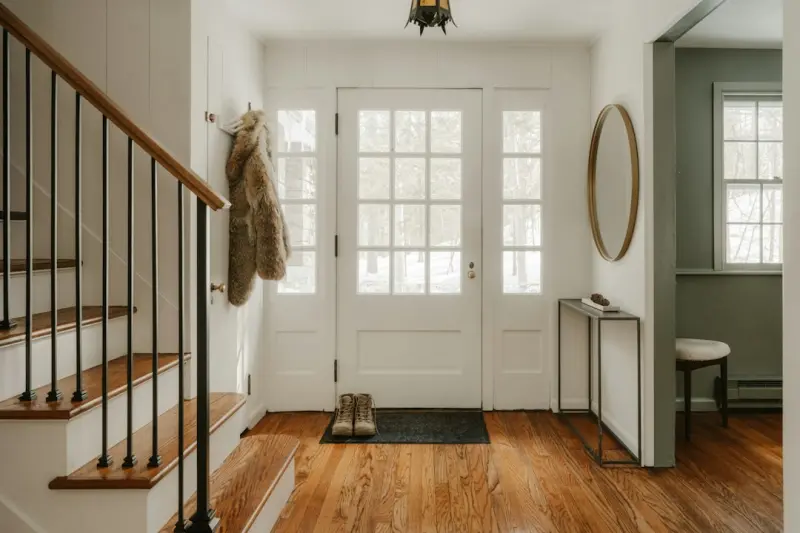
The Quiet Power of a Well‑Curated Entryway: Home Tips for First Impressions
A step‑by‑step guide shows how to turn a neglected entryway into a welcoming, organized hub usin... Read More

Turn Your Home Into a Calm Retreat Without Major Renovations
Simple, affordable tweaks—like smart lighting, hidden storage, and soothing scents—can turn any ... Read More
Top Posts
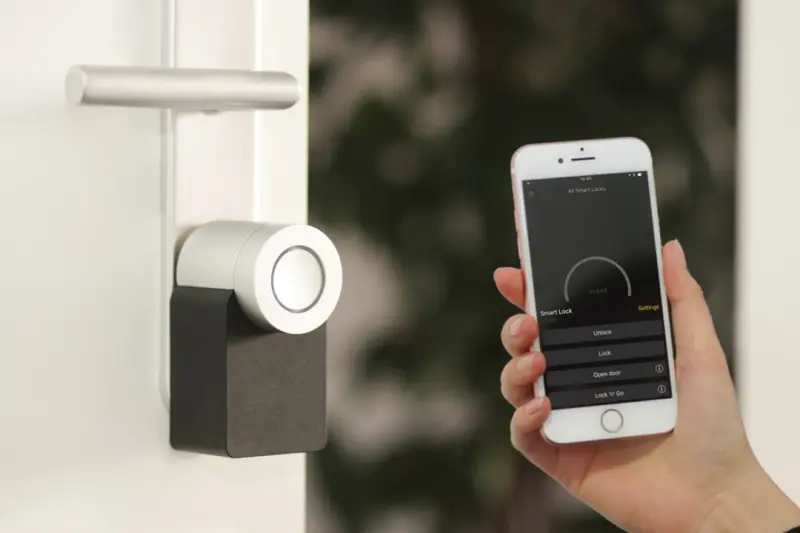
Silent Sentinels: Redefining Home Security with Low‑Profile Alarm Systems
Explore the rise of silent home alarms—discreet, design‑friendly, and tech‑savvy solutions that keep homes safe without shouting for attention. From hidde...Read More

Reviving the Heart of Your Bathroom: The Untapped Power of Bathtub Refinishing
A deep dive into bathtub refinishing reveals emotional, environmental, and financial benefits, showing why a refreshed tub can transform your bathroom without t...Read More

Sustainable Property Maintenance: Green Strategies That Save Money and Preserve Your Home
Learn how to turn everyday maintenance into eco‑friendly upgrades, from sealing drafts to eco‑smart roofing, and keep your property thriving while saving mo...Read More

Eco‑Focused Plastering: Green Materials & Future Techniques
A deep dive into modern plastering reveals eco‑friendly mixes, breathable walls for better indoor air, embedded sensors for real‑time monitoring, and prefab...Read More
0 Comments
Post Comment
You will need to Login or Register to comment on this post!