
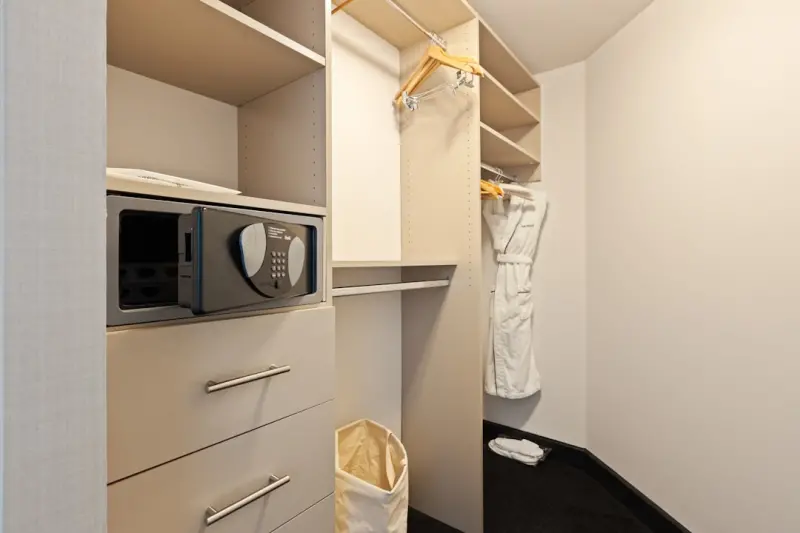
Why My Closet Became My Personal Lab
It started the moment I realized I was spending more minutes hunting for a missing sock than I was actually dressing. I watched the morning scramble turn into a silent battle with piles of shirts, shoes, and that elusive winter coat I swear I stored somewhere. Every misplaced item felt like a tiny leak in my day’s productivity, and I decided to treat my closet not just as a storage room, but as a test bench for smarter organization.
The Hidden Costs of Closet Chaos
Beyond the obvious frustration, a disordered closet silently drains both mental bandwidth and financial resources. When you can’t see what you own, you end up buying duplicates, and the cumulative cost adds up faster than you expect. Moreover, the cognitive load of sorting through chaos each morning spikes cortisol levels, subtly eroding mood and focus for the rest of the day.
Introducing the Rotating Wardrobe Carousel
The rotating wardrobe carousel is a game‑changer that combines vertical space with 360° accessibility. Picture a sturdy core, akin to a lazy‑Susan, encircled by tiered shelves that glide smoothly on concealed bearings. With a gentle push, every garment—whether it’s a silk blouse or a pair of denim jeans—slides into view, eliminating the need to dig or shuffle items around. This design not only maximizes floor area but also creates a kinetic rhythm that makes choosing an outfit feel like a quick spin rather than a chore.
Sustainable Materials Make a Difference
Choosing the right material for a carousel is more than an aesthetic decision; it’s an environmental one. Bamboo, for instance, offers exceptional strength while growing faster than traditional hardwoods, reducing the carbon footprint of your project. Reclaimed oak or reclaimed pallet wood adds character and keeps waste out of landfills, turning what would be scrap into a centerpiece of functional art. Pair these with low‑VOC finishes, and you have a closet that respects both style and the planet.
Smart Inventory Meets Physical Storage
Imagine scanning a QR code on a garment label and instantly seeing how many of that item you own, when you last wore it, and even suggestions for new pairings. By affixing discreet QR tags to the carousel’s shelves, you can sync the data with a simple spreadsheet or a dedicated app. This hybrid approach bridges the gap between DIY modular closet ideas and high‑tech inventory control, ensuring you never buy “another” white tee when you already have three.
Hidden Compartments: The Secret Weapons Underfoot
Floor space is often overlooked, yet it holds untapped potential for concealed storage. Installing shallow pull‑out drawers beneath the carousel’s base creates a perfect hideaway for seasonal accessories—scarves, hats, and gloves—keeping them out of sight yet within arm’s reach. For larger items like luggage or bulk bedding, a low‑profile, lift‑top platform can slide forward, revealing a cavernous compartment that remains invisible when not in use. These hidden pockets keep the visual field clean while preserving valuable square footage.
Seasonal Swaps That Respect Climate and Fabric
Every region experiences distinct seasonal shifts, and a one‑size‑fits‑all closet plan often falters under those variations. By allocating specific carousel tiers to temperature‑appropriate fabrics—light linens for summer, insulated wool for winter—you reduce wear and prolong the life of each piece. Incorporate breathable mesh liners on the lower shelves to promote airflow, preventing moisture buildup that can lead to mildew, especially in humid climates.
Budget‑Friendly DIY Upgrades You Can Tackle This Weekend
Not everyone wants to invest in a full‑scale carousel; many of the same principles can be applied with simple, low‑cost tools. Tension rods create adjustable vertical dividers for shoes or bags, while magnetic strips affixed to the interior of a door hold metal accessories like belts and keychains. Repurposing an old wooden crate as a rolling side table adds both charm and extra surface area for outfit planning. These incremental tweaks compound into a cohesive, high‑functioning system without breaking the bank.
When to Call in a Professional Designer
While DIY solutions are rewarding, certain scenarios call for the expertise of a professional closet designer. Complex structural modifications—such as reinforcing floor joists to support a heavy carousel—or integrating custom lighting systems benefit from a trained eye. A designer can also provide a detailed layout that anticipates future wardrobe growth, turning a one‑time expense into a long‑term investment. The key is to weigh the projected return in saved time and reduced clothing waste against the upfront cost.
Take the First Spin Toward a More Organized Life
If you’ve ever felt the weight of a cluttered closet pressing on your mornings, consider the rotating carousel and hidden compartments as your next step. Start small—add a single pull‑out drawer or a set of QR tags—and watch the transformation unfold. Share your progress, ask questions, and let the community inspire you to keep iterating. After all, a well‑organized closet isn’t just about space; it’s about creating a smoother, more confident start to every day.

William Roy is a freelance writer originally from Montreal who moved to Ottawa with his wife of 50 years to be closer to their grandkids. Alongside his writing, William has a passion for fishing.
Related Posts

Seasonal Wardrobe Rotation: Turning Your Closet into a Year‑Round Organizer
Learn to transform a static closet into a flexible, seasonal storage solution that simplifies dressi... Read More

Intelligent Closet Systems: Turning Office Storage into a Strategic Asset
Explore the shift from static shelves to intelligent storage ecosystems that save time, cut costs, a... Read More
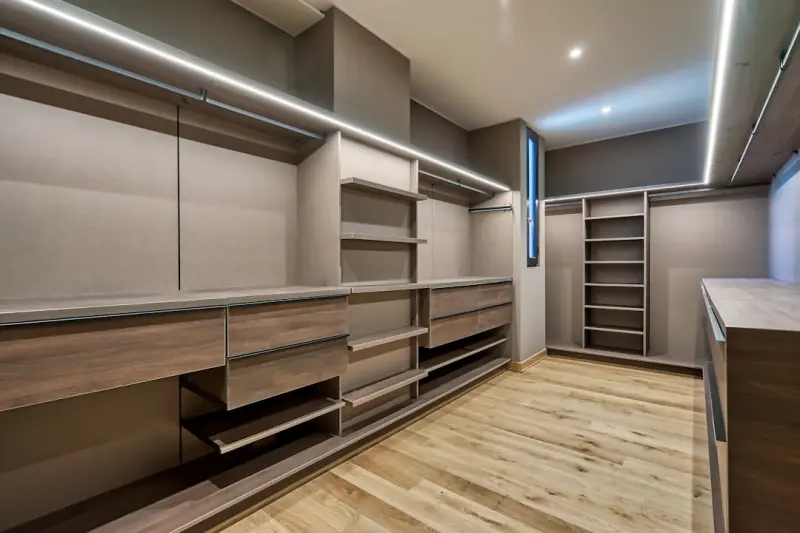
Flexible Closet Architecture: Turning Wardrobe Space into a Productivity Engine
A modern closet can be a strategic asset—offering modular flexibility, sensor‑driven insights, a... Read More
Top Posts

Designing Home Restoration for Multigenerational Living
A fresh take on home restoration focuses on universal design, acoustic comfort, and future‑ready technology to create safe, adaptable spaces for grandparents,...Read More
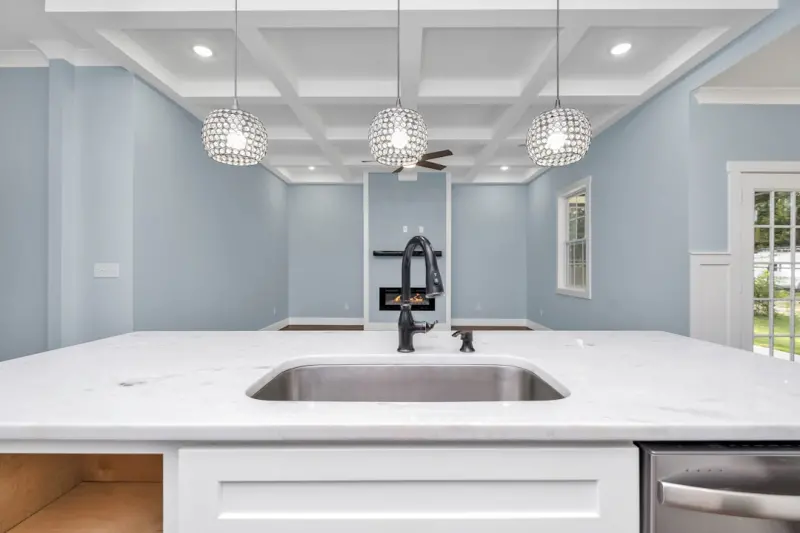
Beyond Aesthetics: The Untold Story of Countertops That Shape Your Kitchen Experience
Explore the hidden narratives of countertops—from geology and sustainability to health benefits and integrated technology—through a seasoned designer’s ey...Read More
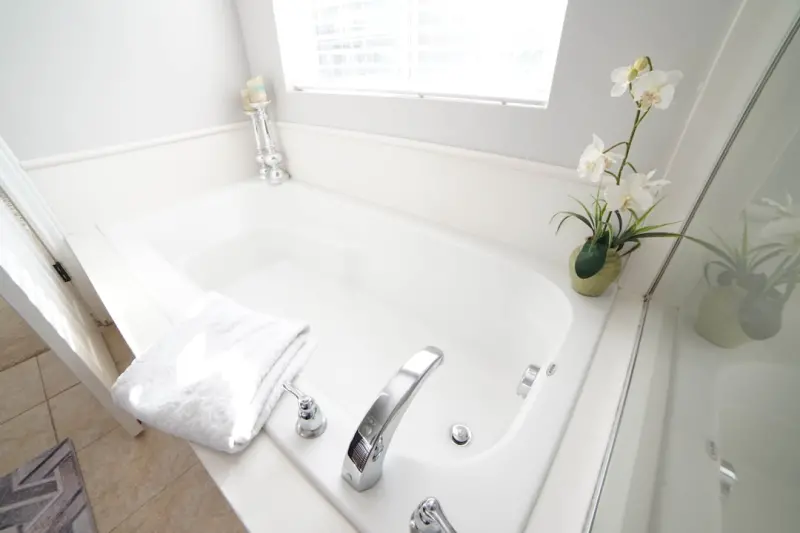
Bathtub Refinishing: Turning a Drab Tub into a Spa‑Like Statement
A seasoned homeowner shares insider tips on turning an outdated bathtub into a spa‑like centerpiece through smart refinishing, color choices, and sustainable ...Read More
Beyond the R-Value: Insulation as a Wellness and ESG Catalyst
Insulation today does more than keep heat in; it enhances indoor air quality, acoustic comfort, and sustainability metrics. Learn how advanced materials and sen...Read More
0 Comments
Post Comment
You will need to Login or Register to comment on this post!