
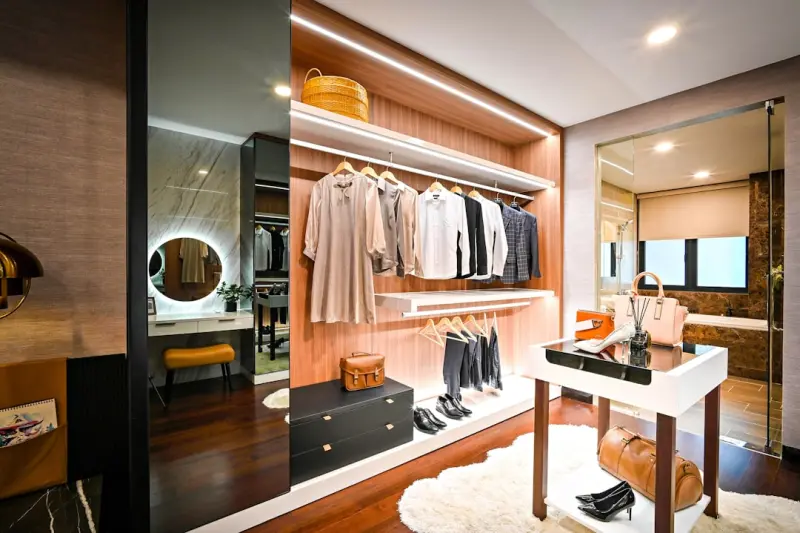
Why Traditional Closets Are Losing Their Appeal
For decades, the walk‑in closet has been the gold standard of bedroom luxury, yet many homeowners now view it as a static, space‑hungry relic. Standard shelving and hanging rods often force us into inefficient layouts that leave shoes on the floor and accessories hidden in dusty corners. As living spaces shrink and lifestyles evolve, the demand for adaptable, tech‑enabled storage solutions is reshaping how we think about dressing rooms.
Embracing Modular, Smart Closet Systems
Modular closet systems break free from the one‑size‑fits‑all mentality by offering interchangeable components that snap together like a well‑designed puzzle. This flexibility lets you reconfigure shelves, drawers, and hanging zones whenever your wardrobe changes—whether you’re adding a new pair of boots or swapping summer dresses for winter coats. The real game‑changer, however, is the integration of smart features such as motion‑activated LEDs, humidity sensors, and even RFID‑tagged inventory apps that tell you exactly what’s waiting inside.
By marrying physical modularity with digital intelligence, you create a storage ecosystem that not only looks sleek but also learns your habits. Imagine a closet that lights up the moment you approach, adjusts temperature to protect delicate fabrics, and sends a gentle reminder to donate items you haven’t touched in six months. This blend of convenience and foresight turns a mundane room into a personalized boutique that evolves with you.
Step‑by‑Step DIY Upgrade Plan
Step 1: Assess Your Space and Lifestyle – Begin with a quick walkthrough, measuring floor area, ceiling height, and existing openings. Sketch a rough floor plan on graph paper, noting where you store shoes, accessories, and seasonal garments. Ask yourself how often you change outfits, whether you need a dedicated space for workout gear, or if you’d benefit from a built‑in vanity. This honest audit sets the foundation for a system that truly serves your daily rhythm.
Step 2: Design the Layout with Modular Units – Use a free online planner or a simple spreadsheet to map out interchangeable panels, pull‑out drawers, and adjustable hanging rods. Prioritize vertical space by stacking high shelves for off‑season items and placing low drawers for everyday essentials. For inspiration, check out the DIY weatherproofing playbook to see how strategic layering can protect both your home and your wardrobe.
- Choose a core frame (metal or wood) that can support weight without warping.
- Select interchangeable panels—open shelving, closed cubbies, shoe racks.
- Plan for future additions like a pull‑out ironing board or a built‑in charging station.
Step 3: Install and Integrate Smart Tech – Once the skeleton is in place, run low‑voltage wiring for LED strips, motion sensors, and a small climate control module. Many modular kits come with snap‑in wiring channels, making the process as simple as plugging in a lamp. Pair the hardware with a mobile app that tracks inventory, offers outfit suggestions, and even alerts you when humidity reaches a level that could damage silk or leather.
Materials, Tech, and Sustainability
When selecting components, opt for responsibly sourced hardwoods, recycled metal frames, or bamboo panels—materials that offer durability without compromising the planet. Low‑VOC finishes protect indoor air quality, and modular designs reduce waste because you only replace the pieces you need, not the entire closet. Pairing these eco‑friendly choices with energy‑efficient LED lighting further trims your carbon footprint while keeping the space bright and welcoming.
Budget‑wise, a modular system can start small and expand as funds allow. Begin with a basic skeleton and add premium features like climate‑controlled drawers or a voice‑activated lighting system later. This incremental approach mirrors the philosophy of future‑proof your home, ensuring each investment adds lasting value and adaptability.
Maintaining the System for Long‑Term Success
Regular upkeep is the secret sauce that keeps a modular closet running smoothly for years. Dust the LED strips and wipe down surfaces with a mild, plant‑based cleaner to preserve both aesthetics and functionality. Schedule a quarterly inventory check: pull out items you haven’t used, assess condition, and decide whether to store, donate, or discard. This habit not only declutters your space but also feeds the smart app with accurate data.
Finally, stay open to future upgrades. As new sensors, lighting options, or sustainable materials become available, you can simply swap out the relevant module without a full remodel. This mindset of continual refinement transforms your closet from a static fixture into a living, breathing part of your home—always ready to support the next chapter of your style journey.

Paul Gray is a dynamic blogger based in Brampton, where he shares his life with his amazing wife, Sarah. Known for his engaging writing style and relatable insights, Paul has carved out a niche in the blogging world that resonates with readers from all walks of life. When he's not crafting captivating posts, you can find him savoring a cold beer or indulging in the latest blockbuster movie. With a friendly demeanor and a passion for storytelling, Paul brings a unique perspective to his work, making him not just a blogger, but a voice for those who appreciate the simple joys of life.
Related Posts
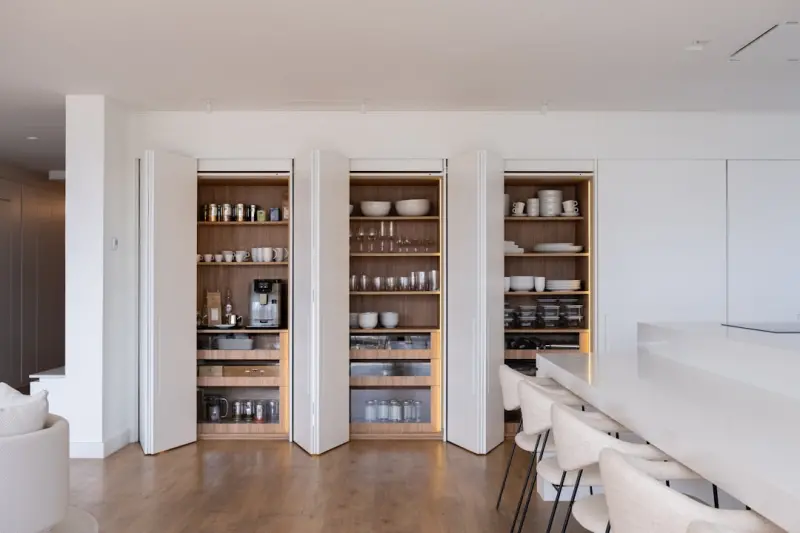
Intelligent Closet Systems: Turning Storage Into a Strategic Asset
A deep dive into turning everyday closets into data‑rich hubs, this post shows how sensor‑enable... Read More
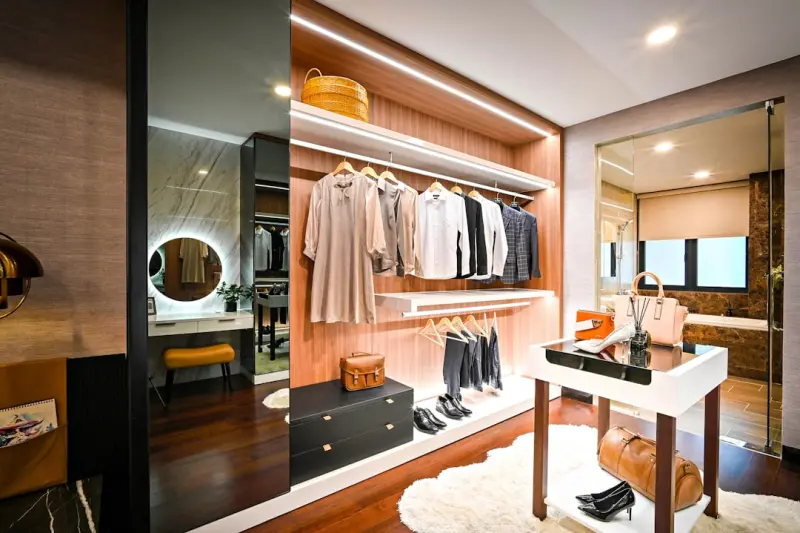
Reinventing the Closet: Data‑Driven Design for Smarter Storage
Learn how to turn a cluttered closet into an intelligent, data‑driven system using affordable sens... Read More

Seasonal Wardrobe Rotation: Turning Your Closet into a Year‑Round Organizer
Learn to transform a static closet into a flexible, seasonal storage solution that simplifies dressi... Read More
Top Posts

Weather‑Smart Home Envelopes: Proven Strategies for Year‑Round Protection
A comprehensive guide to weather‑proofing your home, covering air tightness, water management, thermal continuity, and moisture control, with actionable steps...Read More
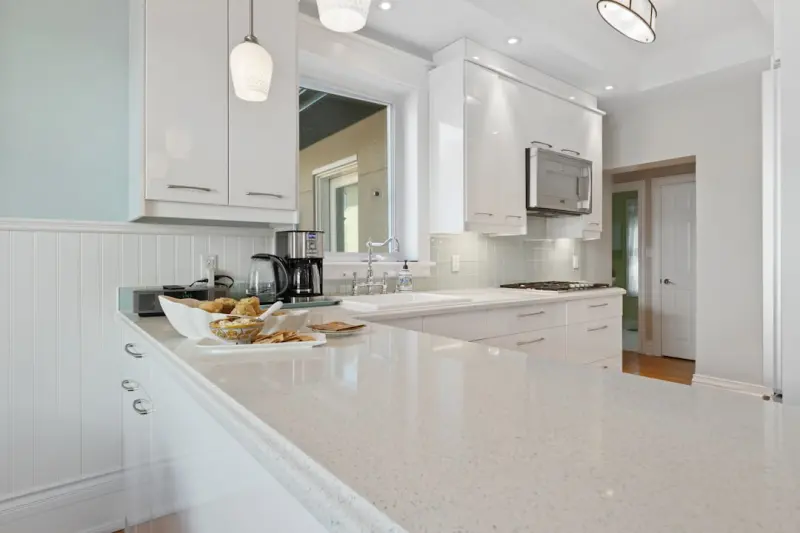
Why Your Countertop Edge Matters More Than You Think
Explore the hidden benefits of countertop edge designs, from ergonomic comfort and hidden storage to resale impact and eco‑friendly material pairings....Read More
Turn Your Home Into a Calm Retreat Without Major Renovations
Simple, affordable tweaks—like smart lighting, hidden storage, and soothing scents—can turn any space into a tranquil sanctuary, boosting comfort and wellbe...Read More

Window Treatments That Work: A Veteran Contractor’s Guide to Sustainable Style
Tom Ferguson shares insider tips on choosing, installing, and maintaining sustainable window treatments that save energy, look great, and last for years....Read More
0 Comments
Post Comment
You will need to Login or Register to comment on this post!