
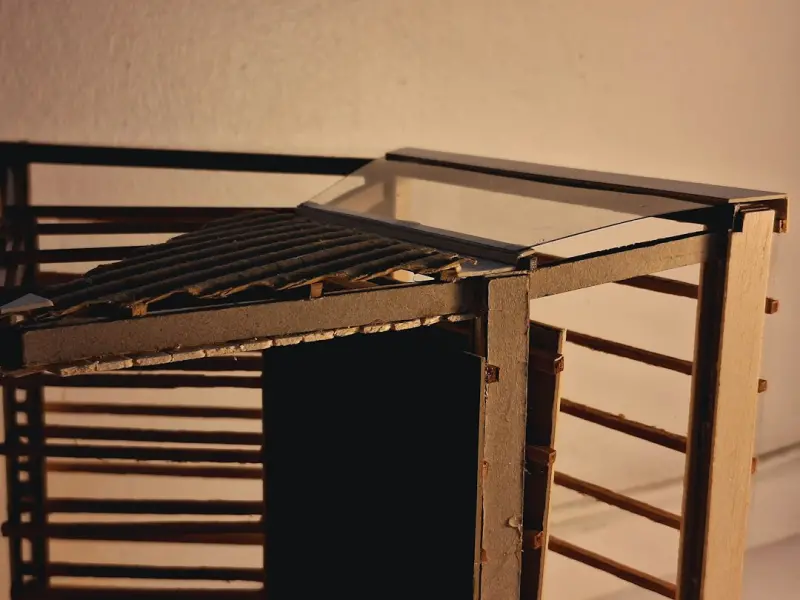
Modular Mastery: How Off‑Site Fabrication Is Redefining General Contracting
When I first stepped onto a bustling construction site, the cacophony of steel beams, the swirl of concrete, and the endless choreography of subcontractors felt like a well‑orchestrated symphony—if only every instrument could stay in tune. Over the past decade, that symphony has begun to shift its tempo. The rise of modular construction and off‑site fabrication is turning traditional general contracting on its head, delivering faster schedules, tighter budgets, and a greener footprint—all while preserving the craftsmanship that defines our trade.
The catalyst isn’t technology alone; it’s a mindset shift. General contractors have long been the glue that binds designers, owners, and tradespeople. Today, we’re also becoming the conduit for factory‑grade precision and data‑driven logistics. By embracing prefabricated modules—complete wall panels, fully wired bathroom pods, or even entire room units—we can bring the reliability of a production line to the variability of the job site.
The Real‑World Benefits of Going Modular
Let’s break down the tangible advantages that modular construction offers to general contractors, owners, and ultimately, the end‑user.
- Schedule compression. While a conventional build might spend weeks erecting a structural frame, a modular approach can have that same frame fabricated off‑site in parallel with site preparation. The result? Overlapping critical paths and a project timeline that can shrink by 30‑50%.
- Cost predictability. In a traditional site build, weather delays, labor shortages, and material price spikes can derail budgets. Factory settings provide a controlled environment where material waste is minimized, labor is more consistent, and quality checks are systematic, leading to tighter cost control.
- Enhanced safety. Fewer trades on site mean fewer opportunities for accidents. Off‑site production isolates high‑risk tasks—like steel welding or complex electrical wiring—away from the public right‑of‑way, delivering a safer overall project.
- Sustainability gains. Factories can recycle scrap, optimize material usage, and integrate low‑carbon concrete mixes. For contractors seeking green certifications, modular construction can be a decisive factor.
- Design flexibility. Modern modules are not “box‑shaped” placeholders. With advances in BIM (Building Information Modeling) and CNC fabrication, modules can be customized to accommodate curved walls, integrated HVAC, and bespoke finishes.
Integrating Modular Processes Into Your Existing Workflow
Transitioning to modular doesn’t mean tossing out the playbook you’ve refined over years. It requires augmenting your existing processes with new checkpoints and collaborative tools.
- Early stakeholder alignment. Bring the modular manufacturer into the design phase. Their input on panel dimensions, load‑bearing capacities, and connection details can prevent costly redesigns later.
- Enhanced BIM coordination. Use a shared BIM environment to sync architectural, structural, and MEP models. This digital twin ensures that when a wall panel arrives on site, every conduit, pipe, and conduit aligns perfectly.
- Logistics planning. Coordinate delivery windows, crane capacity, and staging areas well in advance. Modular units are heavy and often require specialized handling equipment.
- On‑site assembly protocol. Develop a clear sequence for installing modules—starting with structural cores, followed by envelope panels, then interior finishes. Assign a dedicated assembly crew trained in modular connections.
- Quality assurance handoff. Factory QA reports should accompany each module. Conduct a rapid on‑site verification using checklists that cross‑reference the factory documentation.
Case Study: A Mid‑Rise Office Building That Defied Expectations
One of our recent projects—a 10‑story office tower in a dense urban core—illustrates the power of modular integration. The owner demanded a rapid delivery to capitalize on a booming market, but the site was constrained by neighboring buildings and limited staging space.
We partnered with a modular fabricator that produced complete floor slabs, pre‑wired electrical risers, and fully finished restroom pods. By synchronizing the off‑site production schedule with on‑site foundation work, we lifted the first floor panel onto the slab before the concrete cure even finished. The entire building was topped out in just twelve months, a timeline that would have taken nearly twice as long using conventional methods.
Key takeaways from that project:
- Reduced on‑site labor by 40%, freeing up the crew for value‑added tasks.
- Achieved a 15% cost saving through reduced material waste and streamlined procurement.
- Earned LEED Gold certification, thanks in part to the low‑embodied carbon concrete used in the factory—read more about innovative concrete solutions in Concrete’s Secret Life: Waste‑to‑Strength Solutions.
Technology Enablers: Digital Twins and Real‑Time Data
While modular fabrication brings physical efficiency, the digital side of the equation can’t be overlooked. A Digital Twin of the entire project acts as a live, interactive model that tracks each module from factory floor to final placement. This twin informs:
- Clash detection before modules leave the factory, saving weeks of re‑work.
- Predictive maintenance schedules for installed systems, because the twin knows where every pipe and conduit lives.
- Stakeholder transparency—owners can watch the construction progress in a 3‑D viewer, fostering trust and reducing change‑order friction.
Integrating these tools doesn’t require a full overhaul of your IT stack. Start with a cloud‑based BIM platform, feed it with the manufacturer’s model exports, and set up automated alerts for any deviations detected during on‑site assembly.
Addressing Common Concerns
Even with clear benefits, many contractors hesitate to adopt modular methods. Here are the most frequent doubts and the practical answers we’ve found effective.
“Modules limit design creativity.”
Modern fabrication facilities use CNC routers, robotic arms, and 3‑D printing to produce custom shapes. The limitation is often in the early design phase—if the architect works with the fabricator early, the result can be as expressive as a traditional build.
“Transportation costs will blow the budget.”
While transport does add expense, the savings from reduced on‑site labor, less material waste, and shortened schedules often outweigh the logistics fees. Moreover, modular units can be shipped flat‑packed and assembled on‑site, minimizing volume.
“What about quality control on the job site?”
Factory QA is rigorous—each module undergoes structural testing, fire rating verification, and system integration checks. On‑site, the contractor’s role shifts to verifying that the module fits the design intent, a far less intensive process.
“Will my crew need new skills?”
Yes, but the learning curve is manageable. Training focuses on crane operation, module connection techniques, and interpreting digital twin data. Many contractors find that the new skill set actually enhances crew marketability.
Future Outlook: From Modular to Fully Integrated Construction Ecosystems
The next frontier for general contractors is the seamless integration of modular fabrication, digital twins, and IoT‑enabled building components. Imagine a scenario where each wall panel reports its temperature, humidity, and structural stress back to the project manager’s dashboard in real time. When a deviation is detected—say, a panel’s moisture content is higher than expected—an automated alert triggers a corrective action before the module is installed.
Such a feedback loop closes the gap between factory and field, ensuring that every handoff is data‑rich and error‑free. The result? A construction ecosystem where the “build” is less of a gamble and more of a predictable, repeatable process.
Getting Started: A Quick Checklist for Contractors
If you’re ready to explore modular construction, use this checklist as a launchpad.
- Identify pilot projects. Start with a small, low‑risk building—like a single‑story office or a modular restroom block—to test processes.
- Vet manufacturers. Look for partners with proven quality certifications (ISO 9001, ASTM standards) and a track record of on‑time delivery.
- Map out logistics. Conduct a site access study to confirm crane capacity, unloading zones, and traffic routes.
- Upgrade BIM tools. Ensure your software can import and manage modular component libraries.
- Train the crew. Schedule hands‑on workshops for module assembly and digital twin interaction.
By taking a measured, data‑driven approach, you’ll position your firm at the forefront of an industry that’s rapidly evolving from site‑centric chaos to orchestrated precision.
Conclusion: Embrace the Modular Mindset
General contracting has always been about turning vision into reality, navigating constraints, and delivering value. Modular construction doesn’t replace that ethos; it amplifies it. By leveraging off‑site fabrication, digital twins, and a collaborative mindset, contractors can deliver projects faster, cleaner, and more predictably than ever before.
So, the next time you stand on a site watching a crane swing a massive wall panel into place, remember that you’re not just lifting a piece of concrete—you’re lifting the future of construction.

Paul Gray is a dynamic blogger based in Brampton, where he shares his life with his amazing wife, Sarah. Known for his engaging writing style and relatable insights, Paul has carved out a niche in the blogging world that resonates with readers from all walks of life. When he's not crafting captivating posts, you can find him savoring a cold beer or indulging in the latest blockbuster movie. With a friendly demeanor and a passion for storytelling, Paul brings a unique perspective to his work, making him not just a blogger, but a voice for those who appreciate the simple joys of life.
Related Posts
Why General Contractors Are Turning Green and What It Means for Your Next Build
General contractors are redefining construction with green strategies that cut costs, boost efficien... Read More
Sustainable General Contracting: Building Value with Purpose
Explore the evolving world of general contracting, where sustainable materials, design‑build colla... Read More
Wearables on the Jobsite: Turning Safety Data into Competitive Edge
Wearable tech is reshaping construction safety by delivering real‑time alerts, data‑driven insig... Read More
Top Posts

Why Handymen Are the Unsung Heroes of Sustainable Property Management
A proactive handyman program can turn minor repairs into strategic sustainability wins, boosting tenant satisfaction and delivering measurable cost savings for ...Read More

Awning Mastery: Turning Shade into Sustainable Comfort
Explore the transformative power of awnings—from energy savings and smart automation to eco‑friendly materials and design harmony—turning any patio into a...Read More
From Storage to Sanctuary: Rethinking Sheds and Gazebos for Modern Life
Sheds and gazebos are evolving from storage closets to year‑round multifunctional spaces. Learn how to redesign them with flexible layouts, renewable energy, ...Read More
Why Intelligent Floor Heating Is the Unsung Hero of Modern Workspaces
A deep dive into how intelligent, sensor‑rich floor heating transforms comfort into measurable ROI, integrates with smart power systems, and supports health, ...Read More
0 Comments
Post Comment
You will need to Login or Register to comment on this post!