

Re‑thinking Woodworking: Building Flexible, Future‑Proof Pieces
I’ve spent decades in a shop that smelled of fresh sawdust and linseed oil, chasing the perfect grain and the crisp click of a well‑fitted joint. Lately, however, the thrill isn’t just in the finished piece—it’s in envisioning how that piece can evolve, adapt, or even dissolve back into raw material when life changes. This shift from static “once‑and‑done” furniture to dynamic, modular systems forces us to ask new questions about design intent, material choice, and the balance between hand‑crafted detail and pragmatic construction.
Designing for Disassembly
When you design a piece that can be taken apart without damaging the wood, you open a world of possibilities for repair, relocation, and repurposing. The secret lies in selecting joinery that resists permanent gluing—think mortise‑and‑tenon with removable pins, dovetail sliders, or simple peg‑and‑hole systems that hold tight yet release with a gentle tap. By standardizing the dimensions of these connections, you create a language that your future self can read, allowing a coffee table to become a bench or a bookshelf to transform into a media console with minimal fuss.
Choosing the Right Wood for Modular Projects
Not all lumber is born equal for a system that will be taken apart and re‑assembled; stability, grain orientation, and finish compatibility become paramount. Reclaimed pine, for instance, offers a forgiving grain that tolerates repeated assembly while adding character through its patina. Harder species like maple or walnut provide strength for load‑bearing components but demand precise machining to avoid splintering at the joints. I always run a quick moisture test—aim for 6‑8%—to ensure the wood won’t warp after multiple cycles of disassembly, which could compromise both aesthetics and structural integrity.
Hybrid Toolsets: Hand Tools Meet Digital Precision
In my workshop, a hybrid approach has become indispensable: hand planes and chisels give me tactile feedback, while a CNC router provides the repeatable accuracy required for interlocking joints. The key is to let each tool play to its strengths—use a hand‑drawn layout for the initial concept, then let the CNC cut the exact mortise dimensions, ensuring a snug fit without the need for excessive clamping. This blend not only speeds up production but also preserves the soul of the piece, as the hand‑finished edges retain that personal touch that mass‑produced furniture lacks.
Simple Joinery Techniques for Robust Modularity
One of my favorite go‑to connections is the “knock‑down” dowel joint, which uses a short, thick dowel that slides into a pre‑drilled socket, delivering shear strength comparable to a traditional mortise‑and‑tenon. Pair this with a hidden pocket screw—installed with a special driver that drives the screw flush with the wood surface—to secure larger panels when needed. These methods keep the visual language clean, avoid visible hardware, and make the assembly process intuitive enough that a friend could put the piece together without a toolbox.
Standardized Dimensions: The Building Blocks of Flexibility
Adopting a modular grid—say, 4‑inch increments for all component thicknesses and spacing—creates a universal framework that lets you mix and match parts across projects. It’s akin to LEGO for adults: a tabletop can be swapped for a sideboard, or a set of shelving units can be rearranged into a room divider, all because the underlying measurements speak the same language. This approach also simplifies sourcing; you can bulk‑order a single size of dowel or pocket screw and keep inventory lean, which is a boon for small‑scale woodworkers juggling limited storage space.
Case Study: A Modular Coffee Table That Grows With You
Using reclaimed pine, I crafted a coffee table with a core frame that can be expanded into a dining table by adding two extra leaf panels. The core consists of four 2‑by‑4 rails joined with dowel pins, while the leaf panels slide into shallow mortises on the sides, locked in place with removable steel brackets. Because the joints are non‑permanent, the table can be disassembled for moving, or reconfigured into a bench by attaching a back support panel. The finished piece not only saved space in a small apartment but also demonstrated how thoughtful joinery can extend the lifespan of a single design.
Integrating Modern Living: Hidden Tech and Cable Management
Today’s furniture isn’t just about form; it’s also a conduit for technology. By routing power strips and USB hubs through hollowed‑out channel cuts that align with the modular joints, you keep cords invisible while preserving the ability to reconfigure the piece later. A simple groove routed along the underside of a tabletop can accommodate a wireless charger, turning a coffee table into a sleek charging station without sacrificing the clean lines that define a well‑crafted wood piece. This marriage of classic woodworking and discreet tech integration meets the demands of modern households while staying true to the material’s integrity.
Looking Ahead: Community, Sharing, and Continuous Evolution
Embracing modular woodworking isn’t a solitary journey; it’s a conversation with fellow makers who share plans, tweak dimensions, and suggest new applications. I regularly contribute designs to open‑source repositories, inviting others to remix my tables into desks, benches, or even pet feeding stations. By fostering this collaborative spirit, we collectively push the boundaries of what a single piece of wood can become, ensuring that our creations remain relevant, adaptable, and cherished for years to come. If you’re curious about other modular projects, check out the outdoor shed projects that showcase similar principles, or explore our vintage furniture revivals for inspiration on marrying old and new.

Paul Gray is a dynamic blogger based in Brampton, where he shares his life with his amazing wife, Sarah. Known for his engaging writing style and relatable insights, Paul has carved out a niche in the blogging world that resonates with readers from all walks of life. When he's not crafting captivating posts, you can find him savoring a cold beer or indulging in the latest blockbuster movie. With a friendly demeanor and a passion for storytelling, Paul brings a unique perspective to his work, making him not just a blogger, but a voice for those who appreciate the simple joys of life.
Related Posts
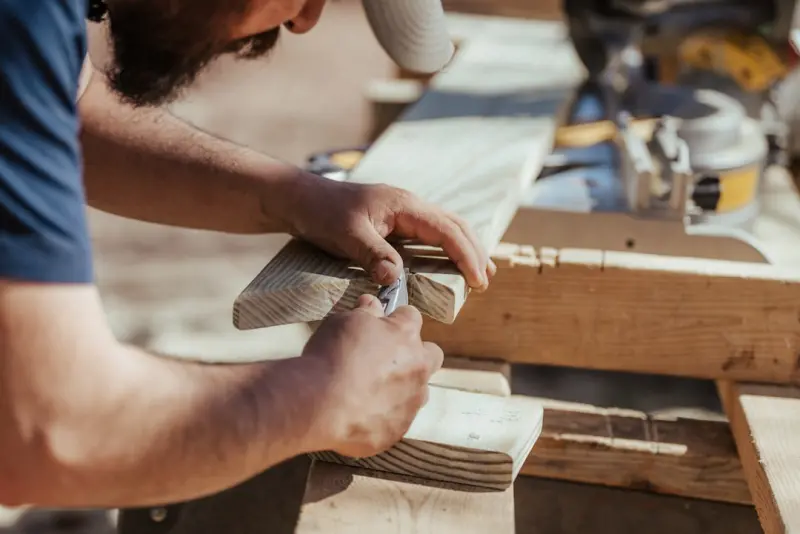
When Wood Meets Tech: Crafting Smarter Workshops for the Modern Maker
Explore the convergence of traditional woodworking with cutting‑edge technology—from real‑time... Read More
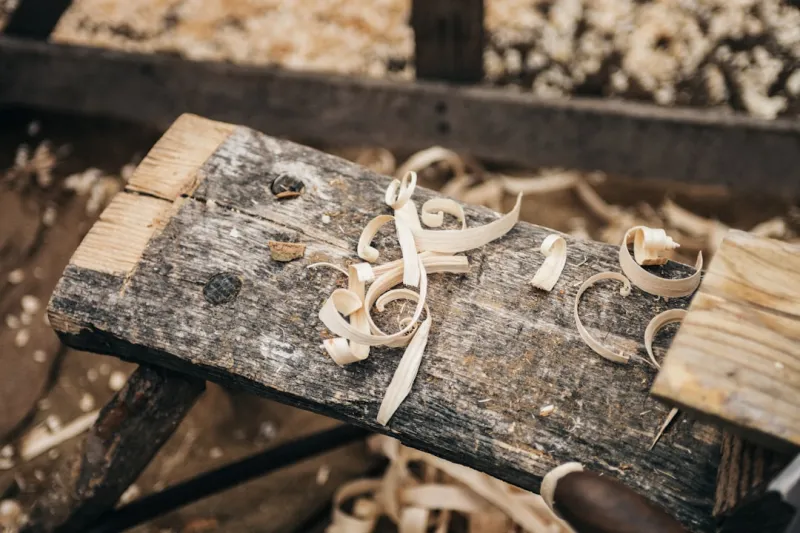
Wood Working Wonders: How This Timeless Craft Can Elevate Your Home
Woodworking is a timeless craft that offers endless possibilities for creativity and self-expression... Read More
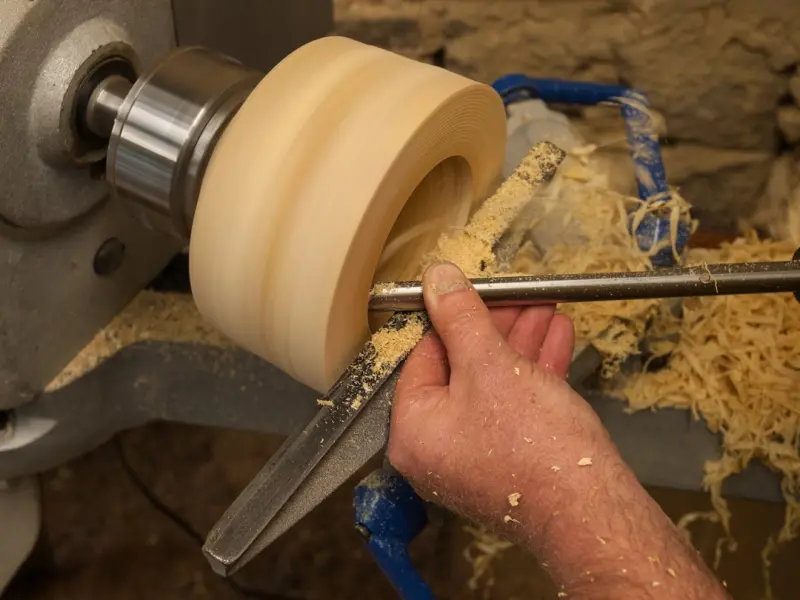
Turning Scraps into Signature Pieces: A Woodworker’s Journey with Reclaimed Materials
Explore the art of transforming reclaimed timber into beautiful, sustainable furniture. Follow exper... Read More
Top Posts

Transform Your Bathroom into a Sustainable Sanctuary
A hands‑on guide to revamping your bathroom with sustainable materials, smart fixtures, and clever design tricks that save money and the planet....Read More

When Grain Meets Code: The Rise of Smart Woodworking
Discover the emerging world of smart woodworking, where sensors, AI, and data-driven insights enhance durability, sustainability, and design while preserving th...Read More

The Critical Role of Sustainable Practices in Home Inspections
Sustainable practices play a critical role in home inspections, enabling homeowners to identify opportunities to improve the eco-friendliness of their property ...Read More

Designing Sensory and Edible Gardens: A Holistic Landscape Blueprint
Explore a holistic approach to landscaping that engages all five senses, blends edible plants with aesthetics, and incorporates sustainable practices for a gard...Read More
0 Comments
Post Comment
You will need to Login or Register to comment on this post!