
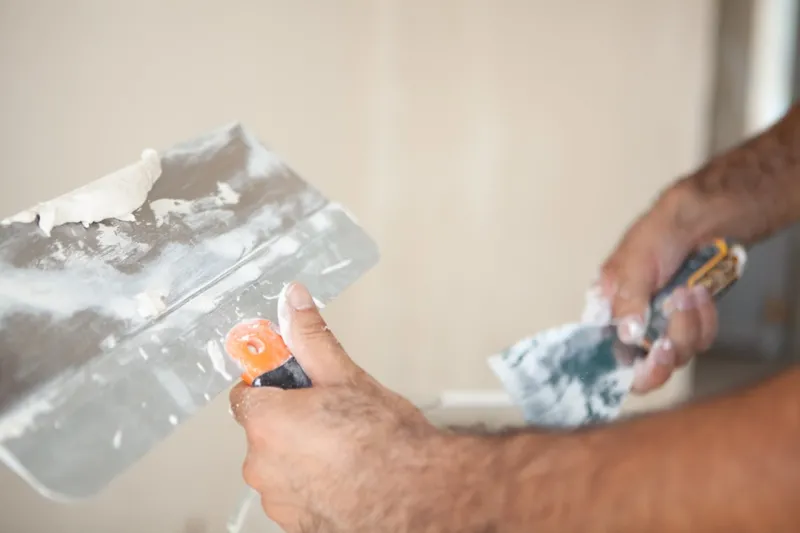
The Art of Drywalling: Why It Matters in Modern Home Construction
As someone who's spent years in the construction industry, I've come to appreciate the often-overlooked aspects of home building. Drywalling, in particular, is a crucial step that can make or break the overall quality of a home. It's not just about slapping up some walls; it's an art that requires precision, patience, and a keen eye for detail. In this article, I'll delve into the world of drywalling, exploring its importance, benefits, and best practices.
Drywalling is more than just a necessary step in home construction; it's a critical component that affects the overall energy efficiency, durability, and aesthetic appeal of a home. A well-done drywall job can make a huge difference in the long run, providing a smooth surface for painting and finishing, while also helping to reduce noise pollution and improve indoor air quality. When done correctly, drywalling can also help to prevent costly repairs down the line, making it a worthwhile investment for any homeowner.
The Benefits of Drywalling
So, what makes drywalling so important? For starters, it's an affordable and efficient way to create smooth walls and ceilings. Drywall is also a versatile material that can be used in a variety of applications, from residential to commercial construction. Moreover, drywalling provides a clean and smooth surface for painting and finishing, making it an essential step in achieving a professional-looking finish. Some of the key benefits of drywalling include:
- Energy Efficiency: Drywall helps to reduce heat transfer and improve insulation, making it an essential component in achieving energy-efficient homes.
- Durability: Drywall is a durable material that can withstand wear and tear, reducing the need for costly repairs.
- Aesthetic Appeal: A well-done drywall job can make a huge difference in the overall look and feel of a home.
The Evolution of Drywalling: Trends and Innovations
The drywalling industry has come a long way since its inception. Modern drywalling techniques and materials have made it possible to achieve high-quality finishes with minimal effort. From advanced drywall compounds to innovative installation methods, the industry is constantly evolving. For instance, the use of eco-friendly materials and sustainable practices is becoming increasingly popular. Additionally, advancements in technology have led to the development of specialized tools and equipment, making the drywalling process faster and more efficient.
Best Practices for Drywalling
To achieve professional-looking results, it's essential to follow best practices. Here are some tips to keep in mind:
- Use the right materials: Choose high-quality drywall and compounds that are suitable for your specific project.
- Measure twice, cut once: Accuracy is key when it comes to drywalling. Take your time to ensure precise measurements and cuts.
- Work in a well-ventilated area: Drywalling can generate a lot of dust and fumes, so make sure to work in a well-ventilated area.
The Importance of Professional Drywalling
While DIY drywalling projects can be tempting, it's often best to leave it to the professionals. A professional drywalling contractor has the skills, experience, and equipment to get the job done quickly and efficiently. Not only can they ensure a high-quality finish, but they can also help to prevent costly mistakes and repairs down the line. When searching for a professional drywalling contractor, make sure to do your research and choose someone with a proven track record.
Common Mistakes to Avoid
Even experienced contractors can make mistakes when it comes to drywalling. Here are some common errors to avoid:
- Inadequate preparation: Failing to prepare the surface properly can lead to a poor finish and costly repairs.
- Incorrect installation: Improper installation techniques can result in uneven surfaces and structural issues.
- Using low-quality materials: Cheap drywall and compounds can compromise the integrity of the entire project.
Conclusion
In conclusion, drywalling is a critical component of modern home construction that requires attention to detail, precision, and patience. By understanding the benefits, trends, and best practices of drywalling, homeowners and contractors can ensure high-quality finishes that last for years to come. Whether you're a seasoned pro or a DIY enthusiast, it's essential to appreciate the art of drywalling and its importance in creating beautiful, functional, and energy-efficient homes. For more information on drywalling and home construction, check out The Art of Drywalling: A Comprehensive Guide and The Evolution of Home Construction: Trends, Innovations, and Best Practices.

When it comes to the world of blogging and writing, Rose DesRochers is a name that stands out. Her passion for creating quality content and connecting with her audience has made her a trusted voice in the industry. Aside from her skills as a writer and blogger, Rose is also known for her compassionate nature.
Related Posts
Beyond the Wall: Mastering Modern Drywall Techniques
A deep dive into contemporary drywall practices, covering eco‑friendly materials, acoustic solutio... Read More
The Art of Drywalling: A Comprehensive Guide
Drywalling is a crucial step in construction and renovation, providing a smooth surface for painting... Read More
Paul Gray’s Green Guide to Eco‑Friendly Drywalling: From Sheet to Finish
Paul Gray shares his step‑by‑step sustainable drywalling process, from selecting recycled gypsum... Read More
Top Posts

When Tiles Talk: Crafting Narrative, Performance, and Future‑Proof Floors
Tiles have become more than decorative flooring; they now tell stories, regulate indoor climate, and integrate sensors, offering homeowners a blend of aesthetic...Read More

The Quiet Guardians: Why Proactive Tree Care Is Essential for Every Property
A seasoned arborist explains the hidden economics and functional benefits of proactive tree care, offering a practical framework for property managers to protec...Read More
Why General Contractors Should Embrace the Circular Economy
A deep dive into circular construction, showing contractors how to cut costs, capture new revenue, and future‑proof projects by reusing materials, leveraging ...Read More

The Color Blueprint: Turning Your Home into a Personal Gallery
A fresh coat of paint does more than cover walls—it shapes mood, protects surfaces, and enhances home value. This guide walks you through color psychology, fi...Read More
0 Comments
Post Comment
You will need to Login or Register to comment on this post!