

When I first stepped into a century‑old office building with a history as rich as its mahogany panels, the first thing that hit me wasn’t the smell of polished wood—it was the faint, lingering taste of dust in the air. It turned out the culprit was an entire network of ducts that hadn’t seen a proper cleaning since the building’s original construction. That experience taught me a simple truth: duct cleaning is the silent champion of indoor health, and it deserves far more applause than it typically receives.
Understanding What Ducts Really Do
Ducts are the circulatory system of any heated or cooled space. They transport air, temperature, and, unintentionally, the particles that hitch a ride along the way—dust, pollen, mold spores, and even microscopic fibers from insulation. While the HVAC unit itself often gets the spotlight, neglecting the pathways it uses can undo any efficiency gains you’ve achieved elsewhere.
Think of it this way: even the most efficient furnace or air‑conditioning unit is like a high‑performance engine feeding fuel through a clogged fuel line. The result? Strain, higher energy consumption, and a compromised environment for occupants.
The Health Angle You Can’t Afford to Ignore
Allergies, asthma attacks, and chronic sinus issues are on the rise, and indoor air quality plays a starring role. Studies show that airborne particles as small as 2.5 microns can penetrate deep into the lungs, triggering inflammation and aggravating respiratory conditions. When ducts are coated with a layer of grime, those particles are constantly recirculated, turning a building’s breathing space into a breeding ground for irritation.
Beyond the obvious health concerns, poor air quality can also impact productivity. Employees who constantly battle sneezing fits or fatigue are less likely to stay focused, and visitors may leave with a less favorable impression of your space.
Energy Efficiency: Money Saved Is Money Earned
Clogged ducts force heating and cooling systems to work harder to achieve the same temperature set‑points. This extra workload translates directly into higher utility bills. A well‑maintained duct system can improve airflow by up to 30%, meaning your equipment runs cooler, lasts longer, and consumes less power.
In commercial settings, these savings compound quickly. A single, well‑timed cleaning can offset the cost of the service many times over within a year, especially when you factor in reduced wear and tear on mechanical components.
When to Schedule a Cleaning: Timing Is Everything
There’s no one‑size‑fits‑all calendar for duct cleaning, but certain triggers are universal:
- Seasonal transitions—especially before summer and winter, when HVAC systems are put under the greatest stress.
- Visible dust buildup around supply vents or on the floor beneath return grills.
- Persistent odors that linger despite regular filter changes.
- Recent renovations that may have introduced new debris into the ductwork.
- Health complaints from occupants that coincide with poor air quality.
Mark these moments on your maintenance calendar, and you’ll avoid the reactive approach that many building managers fall into.
DIY vs. Professional: Where to Draw the Line
It’s tempting to grab a vacuum and a brush, especially if you enjoy hands‑on projects. While a surface clean of vent grates is doable, the interior of ducts is a maze of bends, tight spaces, and sometimes insulated sections that are difficult to reach safely.
Professional technicians bring specialized equipment—rotary brushes, high‑capacity vacuums, and cameras that let them inspect the interior before and after cleaning. They can also identify hidden issues like insulation collapse or disconnected sections that could be compromising performance.
If you’re determined to take a DIY route, start with a thorough inspection using a flashlight and a flexible inspection camera. But remember, a superficial job can do more harm than good by dislodging debris without properly extracting it.
What a Proper Cleaning Looks Like
A comprehensive duct cleaning process typically follows these steps:
- Inspection – Technicians use a camera to map the duct layout, locate blockages, and assess overall condition.
- Pre‑cleaning preparation – All supply and return vents are removed, and protective coverings are placed over furniture and flooring.
- Agitation – Rotary brushes or compressed air are used to loosen debris from the duct walls.
- Extraction – A powerful vacuum pulls the dislodged particles out of the system, preventing them from being redistributed.
- Post‑cleaning verification – A final camera sweep ensures the ducts are clear, and air flow measurements verify improved performance.
Only after these steps can you be confident that the system is truly clean.
Beyond Cleaning: Maintaining Duct Health
Cleaning isn’t a one‑off event; it’s part of a broader maintenance routine. Here are a few habits that keep ducts in top shape:
- Replace filters regularly—ideally every 30‑90 days, depending on usage.
- Seal any visible gaps in ductwork with mastic or foil‑based tape to prevent dust infiltration.
- Keep interior spaces tidy to reduce the amount of particulate matter that can be drawn into the system.
- Schedule regular practical home maintenance insights that include checking for moisture accumulation around ducts, as damp environments can foster mold growth.
The Role of Air Filtration in Complementing Duct Cleaning
Even with pristine ducts, the quality of incoming air matters. High‑efficiency particulate air (HEPA) filters can capture up to 99.97% of particles as small as 0.3 microns. When paired with a clean duct system, these filters become far more effective, ensuring that the air circulating throughout the building remains as pure as possible.
For facilities that house sensitive equipment or vulnerable populations—think laboratories, medical offices, or schools—upgrading to HEPA filtration can be a game changer. Just be sure the HVAC fan has the capacity to handle the added resistance; otherwise, you risk reduced airflow.
Case Study: A Mid‑Size Office That Cut Energy Use by 18%
One of my recent projects involved a 45,000‑square‑foot office that had gone years without a duct cleaning. After a thorough inspection revealed heavy dust accumulation and a few disconnected sections, we performed a full cleaning and sealed the leaks. Within three months, the facility’s energy consumption dropped by 18%, and employee sick days decreased noticeably.
The client also appreciated the ancillary benefit of a quieter system—less rattling and vibration meant a calmer workspace, which, while intangible, contributed to overall satisfaction.
Integrating Duct Care with Broader Building Strategies
While duct cleaning stands alone as a critical task, it fits neatly into a holistic approach to building health. Align your duct maintenance schedule with other preventive actions—such as the building envelope upkeep strategies—to create a synchronized maintenance calendar. This coordination minimizes downtime, streamlines vendor interactions, and ensures that every component of the building works in harmony.
When you treat duct cleaning as a strategic element rather than an afterthought, you reinforce the overall resilience and comfort of the space.
Future‑Facing Trends (Without the Hype)
Emerging technologies—like advanced sensor‑based airflow monitors—are beginning to provide real‑time data on duct performance. While the industry is still early in adopting these tools, they promise to give building managers early warnings before a full‑blown issue develops.
For now, the most reliable “technology” remains a keen eye, consistent scheduling, and collaboration with reputable service providers who adhere to industry standards (look for certifications from reputable bodies such as NADCA).
Final Thoughts: Make Duct Cleaning a Non‑Negotiable
In the grand tapestry of building operations, duct cleaning often hides in the background. Yet its impact on health, energy costs, and overall comfort is profound. By treating it as a regular, non‑negotiable part of your maintenance plan, you safeguard the well‑being of occupants, protect your equipment, and keep operating expenses in check.
Next time you walk past a vent and feel a faint draft, remember that behind that gentle sigh lies an opportunity—to breathe easier, spend smarter, and maintain a space that truly supports its inhabitants.

When it comes to the world of blogging and writing, Rose DesRochers is a name that stands out. Her passion for creating quality content and connecting with her audience has made her a trusted voice in the industry. Aside from her skills as a writer and blogger, Rose is also known for her compassionate nature.
Related Posts

The Hidden Dangers of Dirty Ducts: Why You Need to Prioritize Duct Cleaning
Dirty ducts can pose a significant threat to your indoor air quality, energy efficiency, and health.... Read More
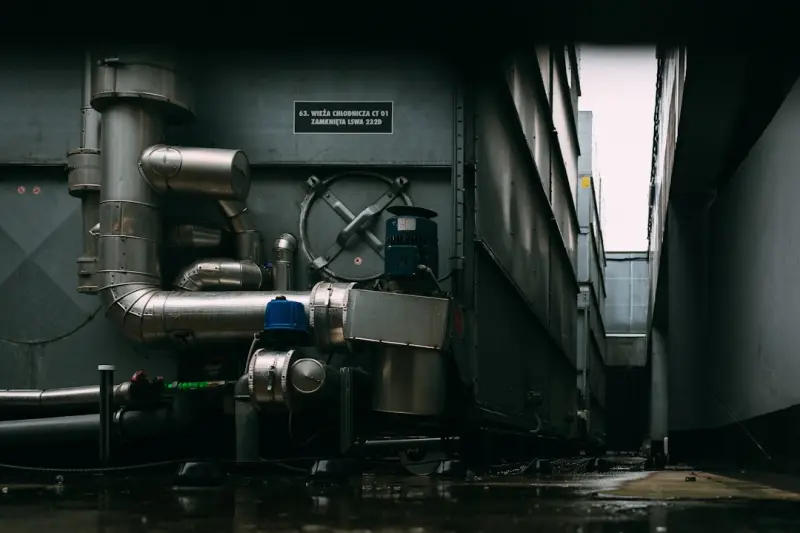
Why Seasonal Duct Cleaning Is the Secret Weapon for a Healthy Home
Learn why cleaning your home’s ductwork each season is essential for better air, lower bills, and ... Read More
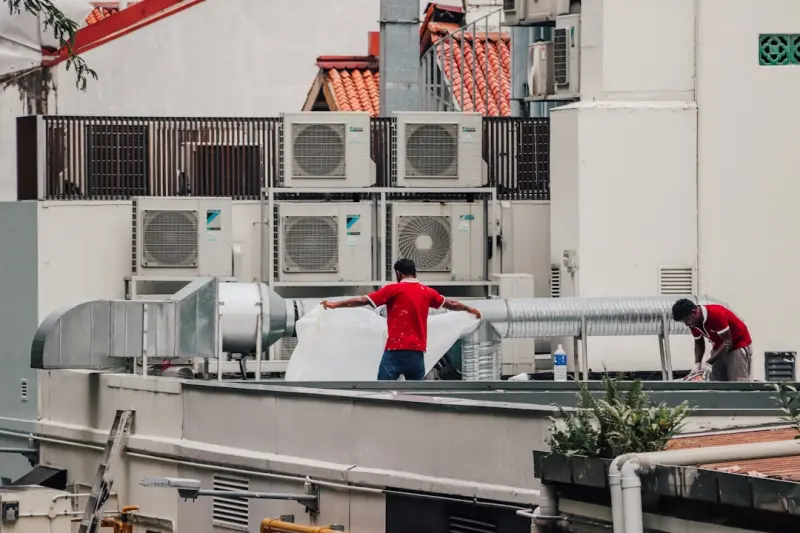
Why Duct Cleaning Should Be a Cornerstone of Your Facility’s Maintenance Strategy
Regular duct cleaning is more than a cleaning chore—it’s a strategic maintenance move that boost... Read More
Top Posts

Beyond Paint: How Modern Wallpaper Elevates Home Functionality
Explore the rise of functional wallpaper—sound‑absorbing, sustainable, and tech‑ready solutions that turn walls into performance‑driven design elements....Read More
The Hidden Dangers of Dirty Ducts: Why You Need to Prioritize Duct Cleaning
Dirty ducts can pose a significant threat to your indoor air quality, energy efficiency, and health. Learn why duct cleaning is crucial for maintaining a health...Read More

Modular Garage Doors: Turning Overhead Openings into Adaptive Assets
Discover why modular garage doors are the strategic upgrade facilities need—offering interchangeable panels, real‑time data, and seamless integration with s...Read More

Why Trees Need a Tech Upgrade: Proactive Arboriculture in the Digital Age
A deep dive into the emerging tech that empowers arborists to monitor, predict, and act on tree health, turning canopy maintenance into a strategic, data‑driv...Read More
0 Comments
Post Comment
You will need to Login or Register to comment on this post!