

Why the HVAC Industry Needs a Paradigm Shift
When I first walked onto a construction site fresh out of engineering school, the heating and cooling rigs looked the same as they had for the last three decades: a big furnace, a single‑stage air conditioner, a thermostat that blinked “70°F” and that was it. Fast forward a dozen years, and I’m still seeing that same baseline in many buildings, but the cost of inefficiency has exploded. Utilities are tightening demand‑response programs, tenants are demanding granular comfort control, and climate‑risk metrics are becoming a boardroom agenda item. The old “set‑and‑forget” mindset simply can’t survive the data‑driven, sustainability‑first world we’re building.
From One‑Size‑Fits‑All to Zone‑Optimized Comfort
Imagine a modern office where the design team is brainstorming in a glass‑walled conference room, while the accounting department is tucked away in a basement suite that never sees daylight. Their heating and cooling needs are worlds apart, yet a traditional HVAC system forces them into the same temperature setpoint. The result? Over‑cooled accounting staff, under‑cooled meeting participants, and a utility bill that looks like it belongs to a small industrial plant.
The solution is zone‑optimized comfort. By breaking the building envelope into independent thermal zones—each with its own sensor suite, actuator, and control logic—we can tailor climate delivery to the actual occupancy and usage patterns of each space. The technology that makes this possible has matured dramatically: advanced variable‑speed compressors, smart damper controllers, and cloud‑connected thermostats that learn from occupants’ schedules.
Variable Refrigerant Flow (VRF) – The Unsung Hero
If you’ve ever watched a ballet, you’ll understand the elegance of a single dancer moving seamlessly across the stage. VRF systems perform a similar dance with refrigerant, modulating flow rates in real time to match demand in each zone. Unlike traditional split systems that operate at full capacity or not at all, a VRF unit can dial down to a whisper when a conference room is empty, and ramp up instantly when the space fills.
Key benefits include:
- Energy Savings: Because the compressor never runs at full throttle, annual electricity consumption can drop by 30‑40% compared to conventional systems.
- Scalability: Adding a new zone is often as simple as installing an indoor fan coil and wiring it into the existing controller network.
- Heat Recovery: Modern VRF units can simultaneously heat one zone while cooling another, reclaiming waste heat that would otherwise be expelled.
In practice, I’ve seen VRF installations in mid‑size office towers slash their HVAC‑related carbon footprint without compromising occupant comfort—a win–win that many facility managers are finally beginning to appreciate.
AI and Machine Learning: The Brain Behind the Breeze
Data is the new “fuel” for HVAC, and AI is the engine that turns it into actionable insight. Sensors now pepper every wall, ceiling, and duct, feeding temperature, humidity, CO₂, and occupancy data into a central analytics platform. From there, machine‑learning algorithms predict demand spikes, detect equipment anomalies, and even recommend proactive adjustments before a comfort complaint lands on the facilities desk.
One of my favorite case studies involved a regional bank that integrated an AI‑powered thermostat ecosystem with its existing building management system. Within six months, the AI identified a pattern: the lobby’s humidity rose dramatically on rainy days, causing the HVAC to over‑cool the adjacent hallway. The system automatically tweaked the humidifier setpoints, stabilizing the environment and cutting the cooling load by 12%.
These intelligent loops are only as good as the data they ingest. That’s why real‑time energy monitoring is now a baseline requirement for any serious HVAC upgrade. When you can see the kilowatt‑hour flow in seconds, you can act on it in milliseconds.
Integrating Renewable Energy with Modern HVAC
Solar PV and wind are no longer fringe projects; they’re mainstream power sources for commercial buildings. The challenge for HVAC designers is to make those intermittent sources work harmoniously with temperature control equipment that traditionally expects a stable grid supply.
Enter thermal storage and heat‑pump hybridization. By coupling a VRF system with a chilled‑water storage tank, you can “bank” cooling produced during sunny hours and discharge it when the sun sets. Similarly, an air‑source heat pump paired with a rooftop solar array can shift the majority of heating demand to daylight hours, dramatically reducing reliance on natural gas.
What’s exciting is the emerging class of grid‑interactive HVAC that can not only consume renewable electricity but also feed excess capacity back to the grid during peak demand events—earning revenue through demand‑response programs. In essence, the HVAC system becomes a two‑way street, contributing to both building resilience and utility grid stability.
Data‑Driven Maintenance: From Reactive to Predictive
Even the most efficient hardware will falter without proper upkeep. In my early career, I learned the hard way that waiting for a compressor to fail before calling a service tech is both costly and disruptive. The industry is now shifting toward predictive maintenance, where sensors monitor vibration, temperature, and power quality to flag early‑stage wear.
By leveraging the same data streams that power AI comfort controls, you can schedule service visits only when an algorithm predicts a component is likely to degrade. This reduces unnecessary service calls, extends equipment life, and keeps the building humming. For a deeper dive on how data can extend property longevity, check out data‑driven maintenance.
Designing the Smart Envelope to Complement HVAC
HVAC doesn’t operate in a vacuum. The building envelope—walls, windows, roofing—plays a massive role in heating and cooling loads. Adaptive glazing, for instance, can dynamically tint to reduce solar gain in summer while allowing passive heating in winter. When you pair such smart envelope technology with a VRF system, the two work in concert: less heat to reject means the HVAC runs at lower capacity, translating directly into energy savings.
In practice, this synergy looks like a conference room with electrochromic glass that darkens on a hot afternoon, while the HVAC zone controller simultaneously reduces cooling output. The result is a seamless, invisible comfort experience that feels natural to occupants but is actually a sophisticated dance of data, materials, and fluid dynamics.
Future‑Proofing: Flexibility for the Unknown
One of the biggest regrets I hear from building owners is “We didn’t anticipate the need for more office space, and now retrofitting the HVAC is a nightmare.” The answer is to design for flexibility from day one. Modular ductwork, plug‑and‑play indoor units, and an open‑protocol control architecture mean that when a floor plan changes, the HVAC can adapt without a full‑scale overhaul.
Think of it like building with LEGO bricks: each piece can be re‑arranged, added, or removed while maintaining structural integrity. This approach not only reduces future capital expense but also aligns with sustainability goals by minimizing waste associated with demolition and new equipment procurement.
Closing Thoughts: Comfort as a Competitive Advantage
At the end of the day, heating and cooling are not just utilities; they’re strategic assets. A building that delivers precise, energy‑smart comfort can attract premium tenants, command higher rents, and reduce operational risk. The technologies we’ve discussed—VRF, AI‑driven controls, renewable integration, predictive maintenance, and smart envelopes—are not isolated silos. When orchestrated together, they create a holistic climate ecosystem that elevates the entire property portfolio.
If you’re a facilities manager, an architect, or a developer reading this, I encourage you to take the next step: audit your existing HVAC footprint, map out zone opportunities, and start conversations with vendors who can demonstrate real‑world performance data. The future of heating and air conditioning is already here; it’s just waiting for you to flip the switch.

Tom Ferguson is a Canadian freelance writer with a passion for storytelling, current events, and thoughtful commentary. Drawing on years of writing experience, he shares engaging insights on a wide range of topics, bringing a uniquely Canadian perspective to his work.
Related Posts

When Buildings Breathe: Integrating Biophilic Design with Modern HVAC
A deep dive into biophilic HVAC shows how merging natural airflow, green walls, solar power, and AI-... Read More
Smart, Sustainable Heating & Cooling: Trends, Tech, and Tips for Modern Homes
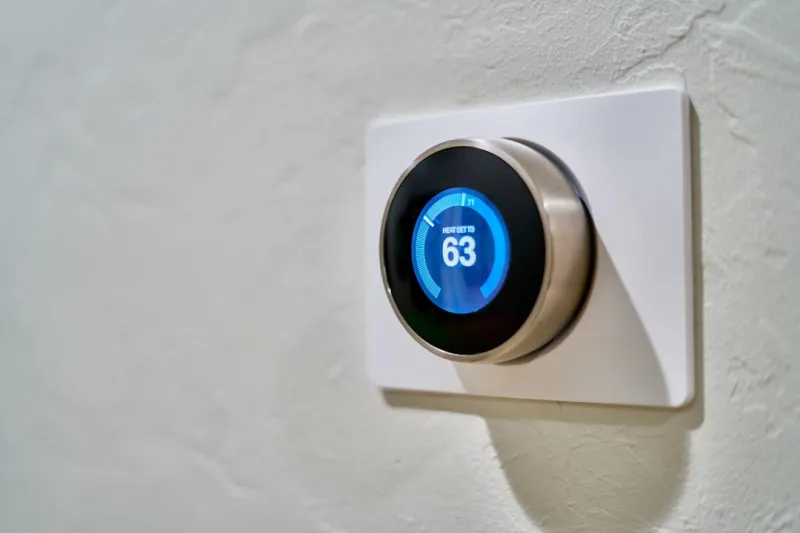
Explore cutting‑edge HVAC strategies—from smart thermostats to renewable integrations—that del... Read More
Unlocking the Strategic Power of Predictive HVAC Management
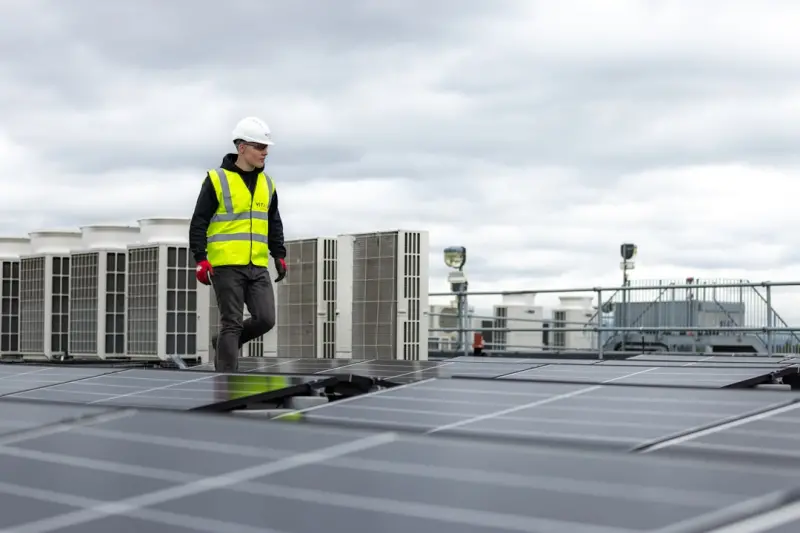
A deep dive into turning heating and air‑conditioning systems into strategic assets through predic... Read More
Top Posts

When Silence Sells: Harnessing Acoustic Window Treatments for Smarter Spaces
Acoustic window treatments turn sound management into a strategic asset, improving productivity, tenant satisfaction, and lease value while integrating seamless...Read More

The Green Revolution in Landscaping: Sustainable Practices for a Greener Tomorrow
Join the green revolution and learn how to create a sustainable outdoor space that benefits both you and the environment. Discover the latest trends and innovat...Read More

Biophilic Blueprint: Transform Your Home with Nature
Explore a practical guide to biophilic design, from indoor plant sanctuaries and smart water management to sustainable materials and intelligent fencing, turnin...Read More
The Home Inspector’s Blueprint for Sustainable, Smart Living
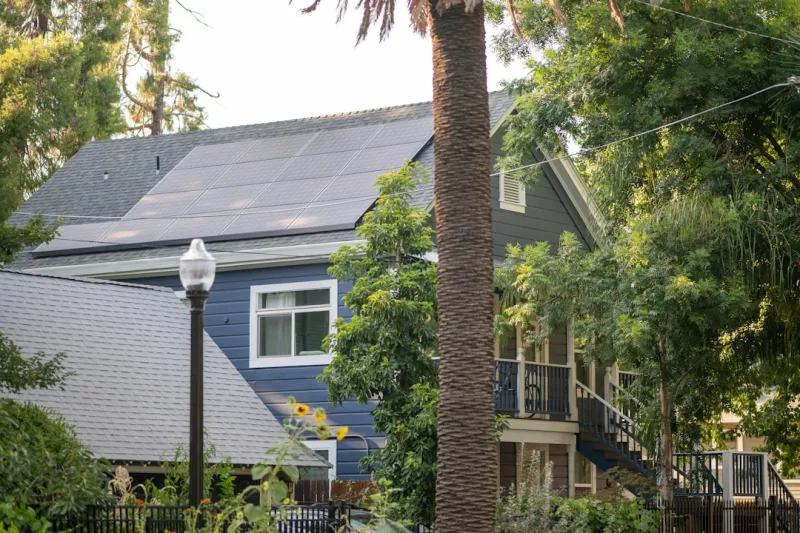
A seasoned inspector shares actionable insights on weather proofing, smart windows, DIY repairs, and future‑proofing homes for sustainable, smart living....Read More
0 Comments
Post Comment
You will need to Login or Register to comment on this post!