

From Clutter to Competitive Edge: Leveraging Modular Storage
When I first walked into a downtown co‑working hub and saw rows of half‑filled lockers, I felt a pang of déjà vu. It reminded me of the old warehouse aisles where items were stacked haphazardly, waiting for someone to remember they existed. In today’s knowledge‑driven economy, a chaotic closet isn’t just an eyesore—it’s a silent drain on productivity, morale, and even the bottom line.
What if we treated every square foot of closet space the same way we treat a data center rack? What if the same analytics that power your SaaS dashboards could also tell you which shoes belong in the left‑hand compartment and which seasonal files should migrate to an off‑site archive? This is the premise of dynamic, modular storage—a strategy that turns a traditional closet into a strategic asset.
The Business Case for Intelligent Storage
Most businesses underestimate the cost of “in‑sight” storage. A recent internal audit at a mid‑size design firm revealed that employees spent an average of seven minutes each day searching for supplies. Multiply that by 250 workdays and 30 staff members, and you’re looking at roughly 87.5 hours of lost time—time that could have been spent drafting concepts, closing deals, or refining code.
Now, imagine a system that logs every item placed in a closet, tags it with metadata (owner, usage frequency, expiration date), and surfaces that data via a mobile app or desktop portal. The result is a real‑time inventory map that cuts search time dramatically, reduces duplicate purchases, and provides managers with actionable insights about asset utilization.
Modular Design: Building Blocks for Flexibility
Traditional closets are built once and left to age. Modular components, by contrast, function like Lego bricks: they can be re‑configured, expanded, or reduced on demand. Here’s why that matters:
- Scalability – As your team grows, add new modules without tearing down walls.
- Adaptability – Switch from a tech‑heavy storage layout (servers, cables) to a creative‑focused one (samples, tools) in a single weekend.
- Standardization – Uniform dimensions simplify procurement and reduce the need for custom carpentry.
Manufacturers now offer magnetic rail systems, adjustable shelving, and interchangeable bins that lock into place with a click. Pair these physical elements with a cloud‑based management platform, and you have a closet that evolves alongside your business.
Data‑Driven Decluttering: The Power of SaaS‑Enabled Inventory
Every organization has that one drawer full of “just in case” items. A SaaS inventory tool can flag these low‑turnover assets by analyzing check‑out frequency, last usage timestamp, and even employee sentiment surveys. The platform then suggests actions:
- Archive to a secondary storage hub.
- Donate or recycle to reduce waste.
- Reallocate to a department that needs the item more urgently.
In practice, a regional marketing team used a SaaS solution to identify 42 redundant banner stands sitting idle for months. By consolidating those stands into a shared pool, they saved over $12,000 in storage fees and freed up space for a new product‑launch kit.
Integrating the Closet into the Wider Digital Ecosystem
Storage doesn’t live in a vacuum. It can be woven into existing workflows via APIs, webhook alerts, and even QR‑code scanning. Consider these use cases:
- On‑boarding kits—When a new employee is added to your HR system, an automated trigger assigns a pre‑configured locker and populates it with the necessary hardware.
- Maintenance alerts—If a fire‑extinguisher’s inspection date approaches, the system sends a reminder to facilities management.
- Compliance tracking—For regulated industries, the platform logs who accessed hazardous materials and when, satisfying audit requirements.
By treating the closet as a data node, you unlock a cascade of efficiencies that ripple across procurement, facilities, and finance.
Case Study: A Boutique Architecture Firm’s Closet Transformation
When the firm modernized its heritage craft workflow, the leadership realized that material samples were constantly misplaced, leading to re‑ordering delays. They partnered with a SaaS provider to install modular racks equipped with RFID tags.
Key outcomes after six months:
- Search time for material samples dropped from an average of 4 minutes to under 30 seconds.
- Material wastage decreased by 22 % because the system flagged expired or damaged samples.
- Employee satisfaction scores rose by 15 % due to reduced frustration.
This example illustrates that even “soft” assets like design swatches benefit from a data‑centric storage approach.
Design Principles for a Future‑Ready Closet
When you start planning a modular system, keep these guidelines in mind:
- Visibility First – Use clear panels or smart lighting that highlights empty slots, encouraging efficient use of space.
- Touch‑Free Interaction – Implement NFC or Bluetooth beacons so users can open compartments with a tap on their phone, reducing wear on hardware.
- Environmental Controls – For sensitive equipment, integrate humidity sensors and temperature regulation.
- Scalable Software – Choose a platform that can grow from a single closet to a multi‑site network without costly migrations.
Bridging the Gap: From DIY to Enterprise Solutions
Small businesses often start with DIY storage hacks—plastic bins, pegboards, and a dash of zip ties. While these solutions are inexpensive, they rarely scale. Transitioning to an enterprise‑grade system doesn’t require a massive capital outlay; it can be phased:
- Phase 1: Audit – Catalog current items, note usage patterns, and map existing space.
- Phase 2: Modular Core – Install a base set of adjustable shelves and a simple software layer for inventory logging.
- Phase 3: Automation – Add sensors, RFID, and API integrations as budget permits.
This incremental approach lets you measure ROI at each step and justify further investment.
The Human Element: Culture Meets Organization
Technology alone won’t solve a chaotic closet. You need a cultural shift that encourages employees to respect shared space. Simple policies—like “return items to their home slot within 24 hours” or “label everything before storage”—reinforce the digital system’s data accuracy.
Leadership can champion the change by showcasing quick wins (e.g., “We saved $5,000 this quarter by eliminating duplicate tool purchases”). Recognition programs that reward tidy storage habits further embed the practice into daily routines.
Looking Ahead: The Closet as a Service (CaaS)
Imagine a subscription model where a provider delivers modular units, installs sensors, and maintains the software stack for a monthly fee. This Closet‑as‑a‑Service model mirrors trends we’ve seen in other asset categories and could democratize high‑tech storage for smaller firms.
Key benefits of CaaS include:
- Predictable operating expenses rather than capital expenditure.
- Continuous upgrades to hardware and software without downtime.
- Access to analytics dashboards that would otherwise be cost‑prohibitive.
While still emerging, CaaS hints at a future where storage is no longer a static cost center but a flexible, value‑creating service.
Putting It All Together: Your Action Plan
Ready to turn your closet from a forgotten corner into a competitive lever? Follow this checklist:
- Map the Space – Take photos, measure dimensions, and note traffic patterns.
- Identify High‑Impact Items – Prioritize assets that affect revenue, compliance, or safety.
- Select a Modular System – Choose components that match your space and anticipated growth.
- Deploy an Inventory Platform – Start with a simple cloud app that supports barcode or RFID tagging.
- Integrate with Existing Tools – Connect the storage platform to HR, ERP, or facility‑management software via APIs.
- Train & Communicate – Run quick workshops, publish cheat sheets, and celebrate early successes.
- Iterate – Review usage data monthly, adjust layouts, and expand automation as needed.
By treating storage as a data‑rich, modular, and service‑oriented function, you’ll unlock hidden efficiencies, reduce waste, and create a tangible asset that supports your organization’s broader goals.
Final Thoughts
The humble closet has long been an afterthought, but in a world where every square foot of real estate is monetized, it deserves a seat at the strategic table. Leveraging modular design, SaaS‑enabled inventory, and a culture of organization transforms a simple storage space into a measurable driver of productivity and profit.
Whether you’re a boutique studio, a fast‑growing startup, or an enterprise with multiple campuses, the principles outlined here can be scaled to fit your unique needs. The next time you walk past that line of lockers, ask yourself: Am I looking at a problem or an opportunity?

David MacKinnon is a dynamic freelance writer known for his captivating storytelling and keen insights into the world of technology. With a passion for exploring the intersection of innovation and everyday life, he crafts engaging narratives that not only inform but also inspire his readers.
Related Posts
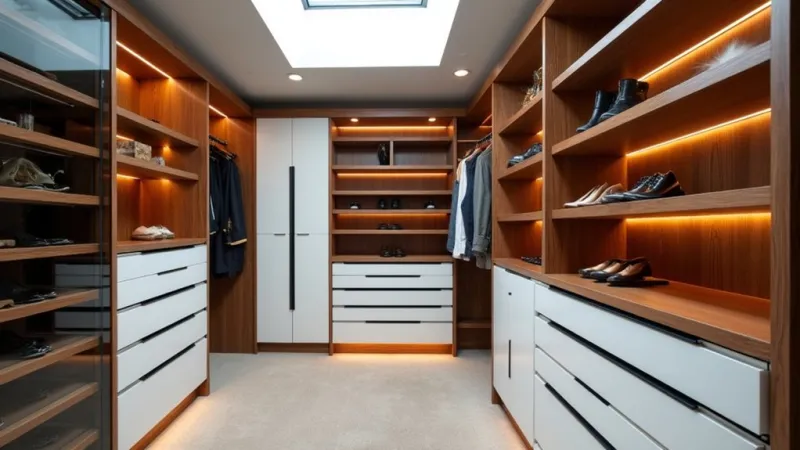
Unlock Your Home's Potential: The Transformative Power of Smart Closets and Storage
Transform your home from cluttered chaos to calm and efficiency with smart closet and storage soluti... Read More
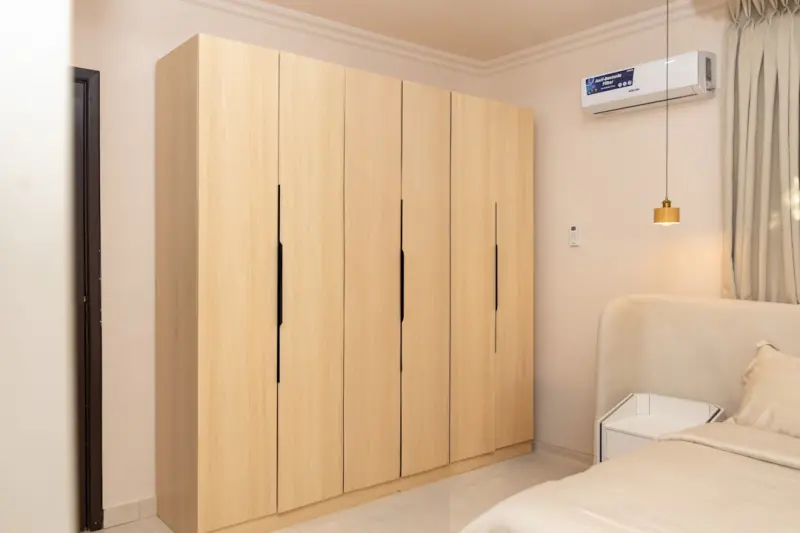
Beyond the Hangers: Crafting a Closet System That Works With Your Life
A deep dive into designing a functional, personalized closet that aligns with daily habits, seasonal... Read More
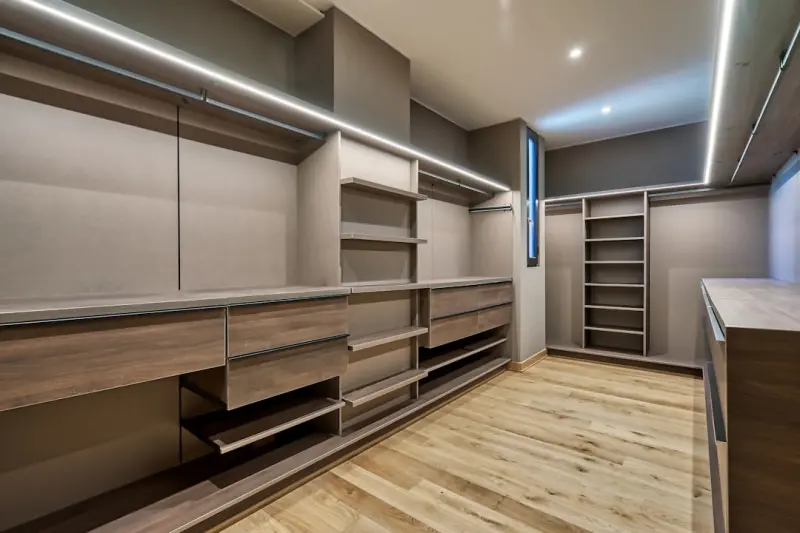
Smart Closets: Turning Hidden Storage Into a Strategic Business Asset
Smart closets go beyond simple shelving, using modular design, IoT sensors, and AI forecasting to tu... Read More
Top Posts

The Green Revolution in Plastering: Sustainable Techniques for a Greener Tomorrow
As a seasoned plasterer, I'm excited to share the latest sustainable plastering techniques and materials that are transforming the industry. From eco-friendly m...Read More

The Evolution of Tiling: How Sustainable Solutions Are Revolutionizing the Industry
The tiling industry is undergoing a significant transformation, driven by the need for sustainable solutions. Learn about the evolution of tiling and how eco-fr...Read More

Pocket Greenhouses: Big Harvests From Tiny Spaces
Learn how to create a pocket greenhouse that maximizes limited outdoor space, offering continuous fresh produce, decorative foliage, and a touch of indoor‑out...Read More

Carbon‑Negative Concrete: How the Industry Is Rewriting Its Green Playbook
Concrete is undergoing a climate makeover. By swapping traditional cement for low‑carbon binders, capturing CO₂ during curing, and using waste aggregates, b...Read More
0 Comments
Post Comment
You will need to Login or Register to comment on this post!