
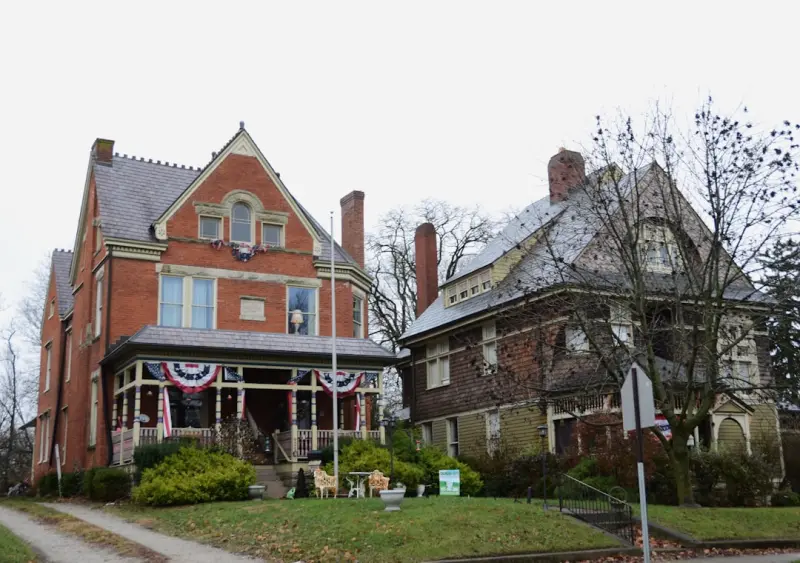
Breathing New Life into Historic Walls: A Tech‑Forward Restoration Journey
When I first stepped into the cracked parlor of a 19th‑century townhouse, the scent of old plaster and the faint echo of a bygone era greeted me. The floorboards groaned under my weight, and the walls—once proudly painted in deep, saturated hues—were now a faded tapestry of flaking pigment and water stains. As a restoration enthusiast who has spent the last decade navigating the delicate dance between preservation and innovation, I learned that the most rewarding projects are those that honor the past while embracing the future.
The Dilemma: Preservation vs. Modern Comfort
Homeowners often face a paradox. They want the charm of original woodwork, hand‑crafted moldings, and period‑accurate finishes, yet they also demand the comforts of today: climate control, energy efficiency, and low‑maintenance surfaces. Traditional restoration methods, while respectful, can leave a home vulnerable to the same issues that caused the decay in the first place—moisture intrusion, thermal bridges, and outdated materials that off‑gass harmful chemicals.
My approach is to treat a historic home as a living organism, one that needs both a strong skeletal framework and a modern circulatory system. By integrating subtle, reversible technologies, we can protect the integrity of original elements while dramatically improving durability and comfort.
Step 1: Mapping the Hidden Anatomy with 3‑D Scanning
Before any hammer swings, I start with a comprehensive digital survey. Handheld LiDAR scanners capture millimeter‑precise point clouds of every wall, ceiling, and structural member. This creates an interactive model where hidden voids, previous repairs, and structural weaknesses become visible without invasive demolition.
The real power of this data emerges when we overlay it with historical plans and photographs. Discrepancies—like a missing decorative cornice or a concealed water pipe—are flagged instantly. This level of insight allows us to plan interventions that are surgical, not blunt.
For those curious about how technology can subtly augment interiors without stealing the spotlight, consider how smart wallpaper can later be incorporated to monitor humidity and temperature behind historic plaster without altering the visual aesthetic.
Step 2: Stabilizing the Envelope with Breathable, Bio‑Based Plasters
One of the most common culprits behind wall failure is moisture trapped within old lime or gypsum plasters. Replacing these with modern cement‑based compounds would trap vapor, leading to mold and further decay. Instead, I turn to bio‑based plasters made from natural fibers such as hemp, flax, or even mycelium.
These materials are not only breathable but also possess tensile strength comparable to traditional lime plasters. Their low embodied carbon aligns with sustainable practices, and they can be tinted using natural pigments to match the original hue—no need for synthetic dyes that could off‑gas over time.
Step 3: Reinforcing Structural Elements with Fiber‑Reinforced Polymers (FRP)
When floor joists or load‑bearing beams show signs of rot, I avoid the temptation to simply replace them with new timber—this would erase a piece of the building’s story. Instead, I employ thin FRP laminates that are bonded to the existing wood. The result is a discreet reinforcement that restores load capacity while preserving the original grain.
Because FRP is non‑corrosive and highly resistant to moisture, it extends the service life of the structure without adding bulk. The technique is reversible: if future conservators wish to remove it, they can do so without damaging the historic wood.
Step 4: Upgrading the Building Envelope with Transparent Insulation
Energy efficiency is often the make‑or‑break factor for homeowners considering a restoration. Traditional insulation—fiberglass batts or rigid foam—requires cutting into walls, which jeopardizes historic finishes. Transparent aerogel panels offer a revolutionary solution.
These ultra‑thin panels can be installed behind interior plaster or beneath decorative wainscoting, delivering R‑values rivaling conventional insulation while remaining virtually invisible. They also act as a vapor barrier, reducing the risk of moisture migration that can damage original plaster.
Step 5: Integrating Smart Climate Control Without Disruption
Modern HVAC systems are often blamed for the loss of historic character because of noisy ductwork and intrusive vents. My preferred method is a ductless mini‑split system paired with smart thermostatic controls.
The indoor units can be concealed within existing cabinetry or behind ornamental panels, and their slim profiles keep the visual impact minimal. By linking the system to a smart thermostat—similar to the innovation highlighted in the smart thermostat revolution—the home learns occupancy patterns, adjusts temperature proactively, and even alerts the owner to potential issues like frozen pipes.
Step 6: Preserving Decorative Finishes with Nanotech Sealers
Original paint layers, especially those applied with natural pigments, are irreplaceable. To protect these finishes, I apply a clear, breathable nanotech sealer. This coating forms a molecular barrier against water, UV radiation, and dust while allowing the wood or plaster to "breathe" as it naturally would.
The result is a surface that remains true to its historic patina yet resists the everyday wear that plagues many restored homes.
Step 7: Documenting Every Intervention for Future Generations
One of the most overlooked aspects of restoration is thorough documentation. After each phase, I upload the updated 3‑D model, material specifications, and photographs to a cloud‑based repository. This living archive serves future caretakers, ensuring that any subsequent work can be as informed and respectful as the original restoration.
Case Study: A Victorian Rowhouse Revival
To illustrate the process, let me walk you through a recent project—a three‑story Victorian rowhouse in a bustling urban neighborhood.
- Initial Survey: LiDAR scanning revealed hidden water damage behind a decorative ceiling medallion. The digital model helped us plan a targeted removal of the affected plaster without disturbing surrounding moldings.
- Plaster Restoration: We used a hemp‑based plaster mixed with natural lime, matching the original off‑white tone. The breathability of the plaster halted the recurrence of moisture buildup.
- Structural Reinforcement: The second‑floor joists showed early rot. Applying FRP laminates restored their strength while preserving the original timber aesthetics.
- Energy Upgrade: Aerogel panels were slipped behind the interior wall surfaces, delivering a noticeable reduction in heating demand without any visual change.
- Climate Control: A ductless mini‑split system, controlled by a smart thermostat, now maintains a stable indoor environment, learning the household’s schedule over weeks.
- Finish Protection: A nanotech sealer was applied to the original oil‑based paint in the parlor, preserving its deep mahogany hue while protecting against future wear.
The homeowner reported a 30 % reduction in heating bills within the first winter, and the local heritage board praised the project for its fidelity to historic character. The success of this venture reinforced my belief that technology and tradition are not adversaries; they are collaborators.
Future Trends: AI‑Driven Restoration Planning
Looking ahead, I am excited about the integration of AI in restoration. Imagine a system that analyzes a historic home’s digital model, cross‑references a global database of similar structures, and proposes optimal material selections, reinforcement strategies, and energy solutions—all while respecting preservation guidelines.
Such a tool would accelerate the planning phase, reduce guesswork, and empower homeowners to make data‑driven decisions that protect both heritage and sustainability.
Final Thoughts
Restoring a historic home is an act of stewardship. It demands reverence for the past and courage to adopt the tools of the present. By marrying meticulous documentation, breathable bio‑materials, discreet smart technologies, and forward‑thinking design, we can ensure these architectural treasures remain vibrant, functional, and resilient for decades to come. The key is to approach each project with humility—recognizing that we are caretakers, not owners—while wielding the best of today’s innovations to safeguard tomorrow’s history.

Lifan Chen is a freelancer based in Toronto specializing in marketing. With expertise in crafting effective marketing strategies and campaigns, Lifan helps businesses grow their brand presence and reach target audiences. As a Toronto-based freelancer, Lifan combines local market insights with creative marketing skills to deliver tailored solutions for clients.
Related Posts

Reimagining Home Restoration: Modular, Data‑Driven Solutions for Historic Homes
A deep dive into how modular restoration kits, reclaimed materials, and connected moisture sensors a... Read More
Breathing New Life into Historic Windows: A Practical Guide
This guide walks homeowners through assessing, repairing, and upgrading historic windows, balancing ... Read More
Reviving Your Home's Former Glory: A Comprehensive Guide to Sustainable Home Restoration
Sustainable home restoration is about creating a living space that's not only beautiful but also sus... Read More
Top Posts
Predictive Mold Removal: Turning Data Into a Clean, Healthy Building
A fresh look at mold removal shows how continuous humidity monitoring, smart ventilation, and AI-powered digital twins can prevent mold before it spreads, turni...Read More

Mastering Preventive Property Maintenance: A Homeowner’s Roadmap
Learn how a year‑round preventive maintenance plan, smart technology, and tenant involvement can safeguard your property, cut costs, and increase its market a...Read More

When Foundations Speak: Early Signs, Smart Repairs, and Long‑Term Care
Learn how to detect early foundation warning signs, choose the right repair method, and integrate smart maintenance for lasting home stability....Read More
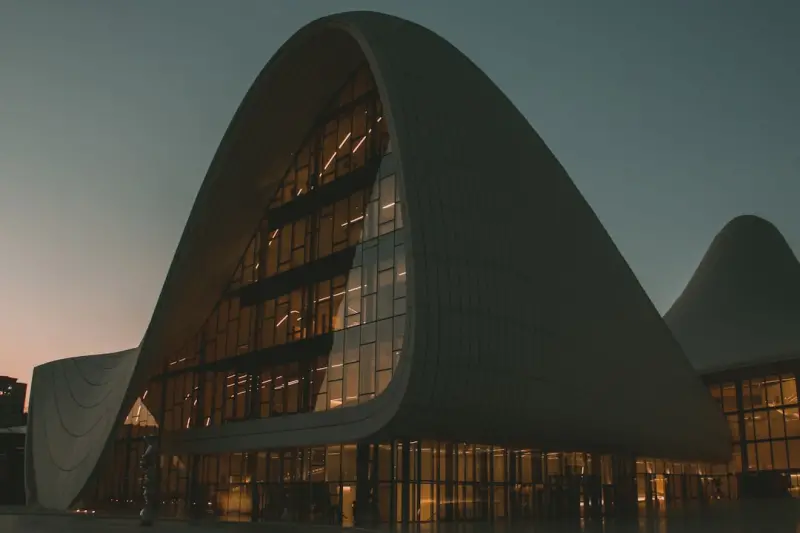
Designing for Change: How Adaptive Architecture Marries Heritage and Flexibility
Adaptive architecture merges historic character with modular interiors and AI‑driven façades, creating buildings that evolve with occupants and climate deman...Read More
0 Comments
Post Comment
You will need to Login or Register to comment on this post!