

Why Fencing Needs a Makeover
For most property owners, a fence is a simple, static line that says “keep out” or “welcome in.” It’s the unsung workhorse of security, privacy, and aesthetic definition. Yet, in an era where everything else is getting a digital upgrade, fences have stubbornly remained analog. I’ve spent the last decade watching walls, floors, and even water systems become data‑rich, and I’ve come to realize that the same transformation is long overdue for the humble perimeter barrier.
The Limits of Traditional Barriers
Classic wood, chain‑link, or concrete fences do a great job at delineating space, but they fall short in three critical areas:
- Blind Spot Security: A fence can be scaled, cut, or simply ignored. Without eyes or ears, you never know what’s happening beyond the line.
- Maintenance Blindness: Corrosion, rot, and vandalism are often discovered only after a visual inspection—sometimes when damage is already costly.
- Static Value: Once installed, a fence rarely contributes beyond its initial purpose, offering no ongoing ROI or data to inform facility decisions.
When you compare that to a modern building management system that tracks HVAC performance in real time, the disparity is stark. It’s time we bring the same level of intelligence to perimeter protection.
Enter Sensor‑Enabled, Interactive Fencing
Imagine a fence that not only marks a boundary but also talks to you about its condition, detects intruders before they even reach the gate, and even harvests energy to power its own sensors. This is no longer a futuristic concept; it’s an emerging reality thanks to advances in low‑power IoT modules, durable composite materials, and edge‑computing.
Key Components of a Smart Fence System
Building a truly interactive barrier involves four interlocking components:
- Material Core: Modern composites such as fiber‑reinforced polymer (FRP) combine the strength of steel with the corrosion resistance of plastics. They provide a stable platform for embedded electronics.
- Sensor Suite: A blend of vibration, acoustic, infrared, and LIDAR sensors can detect climbing, cutting, or even subtle tampering. Some systems integrate environmental sensors to monitor wind load or moisture that could lead to material fatigue.
- Connectivity Layer: Low‑power wide‑area network (LPWAN) technologies—think LoRaWAN or NB‑IoT—allow each fence post to transmit data back to a central dashboard without draining batteries.
- Edge Intelligence: Miniature AI chips on the posts process raw sensor data locally, flagging only relevant events and reducing bandwidth usage.
All these pieces work together to turn a static barrier into a living, breathing asset that can be managed just like your HVAC or lighting systems.
Benefits That Extend Beyond Security
While enhanced security is the headline benefit, the ripple effects are equally compelling:
- Predictive Maintenance: Continuous monitoring of tension, corrosion, and structural stress alerts you before a post fails, turning emergency repairs into scheduled tasks.
- Energy Savings: Solar‑powered fence posts can feed their own sensors and even contribute excess energy back to the site’s microgrid, echoing the sustainability goals seen in other building systems.
- Data‑Driven Site Management: By aggregating fence health data with other property metrics, you can spot correlations—like a spike in vibration events after nearby construction—that inform broader operational decisions.
- Tenant Experience: For residential complexes, a “smart fence” can integrate with resident apps, allowing controlled access, visitor notifications, and even mood lighting that reacts to sunrise and sunset.
Learning from Other Smart Systems
Our industry has already seen the power of sensor integration in places you might not expect. For instance, the rise of connected infrastructure in plumbing shows how water lines can become proactive assets rather than reactive liabilities. Similarly, modular construction principles have accelerated installation times while embedding intelligence into walls. The same modular, data‑centric mindset can be applied to fencing, allowing quick upgrades and scalable deployments across large campuses.
Case Study: Commercial Office Park
A 150‑acre office park in the Midwest partnered with a fencing tech provider to replace its aging chain‑link perimeter with a sensor‑enabled composite fence. Over a 12‑month rollout, they achieved:
- 30% reduction in security incidents thanks to early intrusion alerts.
- 15% lower maintenance costs as the system flagged rust spots before they spread.
- Generation of 5 kWh of solar energy per day, offsetting lighting loads on the perimeter.
What’s more, the facility manager could view fence health alongside HVAC and lighting dashboards, creating a holistic view of the campus’s operational health.
Case Study: High‑Density Residential Community
A suburban gated community wanted to improve both security and resident convenience. By installing smart fence posts with RFID readers and mobile app integration, they enabled:
- Secure, key‑free entry for residents via their smartphones.
- Real‑time alerts when a post detected forced entry attempts, allowing security teams to respond within minutes.
- Customizable perimeter lighting that dimmed during late‑night hours and brightened for scheduled events, enhancing safety without wasteful energy use.
The community reported a 22% increase in resident satisfaction scores, highlighting the intangible value of a “smart” feeling of safety.
Integration with Existing Building Management Systems
One of the biggest concerns property owners have is the potential complexity of adding another system. The good news is that smart fence platforms are built with open APIs, meaning they can feed data directly into existing BMS or CAFM software. This allows you to set up automated workflows—like generating a work order when a post’s battery drops below a threshold—without hiring a separate team.
Cost Considerations and ROI
While the upfront cost of a sensor‑rich fence is higher than a traditional one, the ROI becomes clear when you factor in:
- Reduced Labor: Predictive maintenance cuts emergency service calls and overtime.
- Extended Asset Life: Continuous health monitoring slows degradation, meaning the fence lasts longer before a full replacement is needed.
- Energy Offsets: Solar‑powered posts can reduce net electricity consumption, especially when integrated with site‑wide energy management.
- Insurance Benefits: Some insurers offer premium discounts for documented, real‑time security systems.
Typical payback periods range from 18 to 36 months, depending on the scale and the specific value streams you capture.
The Future: AI‑Powered Threat Detection and Autonomous Repairs
We’re already seeing early pilots where edge AI models can differentiate between a stray animal, a gust of wind, and a genuine intrusion attempt, drastically reducing false alarms. In the next wave, fence posts equipped with self‑healing polymer coatings could automatically seal minor cracks, while drone‑based inspection teams verify fence integrity from the air, feeding that data back into the central platform.
Practical Steps to Get Started
If you’re convinced that your perimeter deserves an upgrade, follow this roadmap:
- Audit Your Current Fence: Document material types, lengths, and known problem spots.
- Define Your Goals: Is security the priority, or are you more interested in maintenance savings and sustainability?
- Select a Vendor with Open Architecture: Ensure they support integration with your existing BMS.
- Pilot a Small Section: Start with a high‑traffic area to test sensor performance and data workflows.
- Scale Gradually: Use data from the pilot to refine sensor placement, power strategies, and alert thresholds before a full campus rollout.
Remember, a smart fence isn’t a standalone product; it’s a service that evolves with your property, delivering new insights as your needs change.
Conclusion: From Barrier to Asset
Fencing has always been about defining space. In the digital age, it can also be about defining value. By embedding sensors, connectivity, and intelligent processing into the very fabric of a fence, you transform a passive line into an active, data‑rich asset that protects, informs, and even powers your property. The shift may feel daunting, but the payoff—greater security, lower costs, and a smarter, more sustainable campus—is undeniable. The next time you walk along your property’s perimeter, ask yourself: is this just a fence, or could it be the smartest part of your building?

Tom Ferguson is a Canadian freelance writer with a passion for storytelling, current events, and thoughtful commentary. Drawing on years of writing experience, he shares engaging insights on a wide range of topics, bringing a uniquely Canadian perspective to his work.
Related Posts
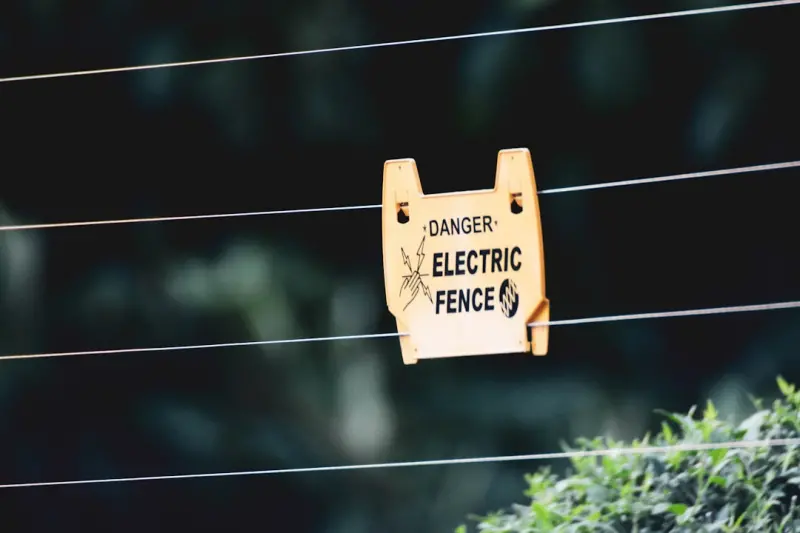
Smart Fences: Turning Perimeters Into Living, Learning, and Securing Platforms
Explore the evolution of fencing from a static barrier to a smart, living system that integrates IoT... Read More

Fencing Trends: How Sustainable Design Is Redefining Outdoor Spaces
Discover how eco‑friendly materials, smart technology, and innovative designs are turning fences i... Read More

The Evolution of Sustainable Fencing: A Comprehensive Guide
Sustainable fencing is a rapidly growing trend that's here to stay. Learn about the benefits, materi... Read More
Top Posts

How to Convert Your Sunroom into a High‑Performance Home Office
Turn your sunroom into a bright, functional workspace. Discover lighting tricks, soundproofing, climate control, and tech upgrades that make remote work feel li...Read More

The Intersection of Plumbing and Sustainable Home Restoration
Plumbing plays a critical role in sustainable home restoration. Learn how to adopt eco-friendly plumbing solutions, conserve water, and reduce energy consumptio...Read More
Designing a Kitchen That Nurtures Family Connection
A kitchen remodel isn’t just about style—it’s a chance to shape how families connect, eat, and unwind. Learn the design secrets that turn the heart of the...Read More

Revolutionizing Kitchen Design: The Impact of Countertops on Home Value
Explore the transformative power of countertops in kitchen design, from enhancing aesthetics and functionality to boosting home value with sustainable and innov...Read More
0 Comments
Post Comment
You will need to Login or Register to comment on this post!