
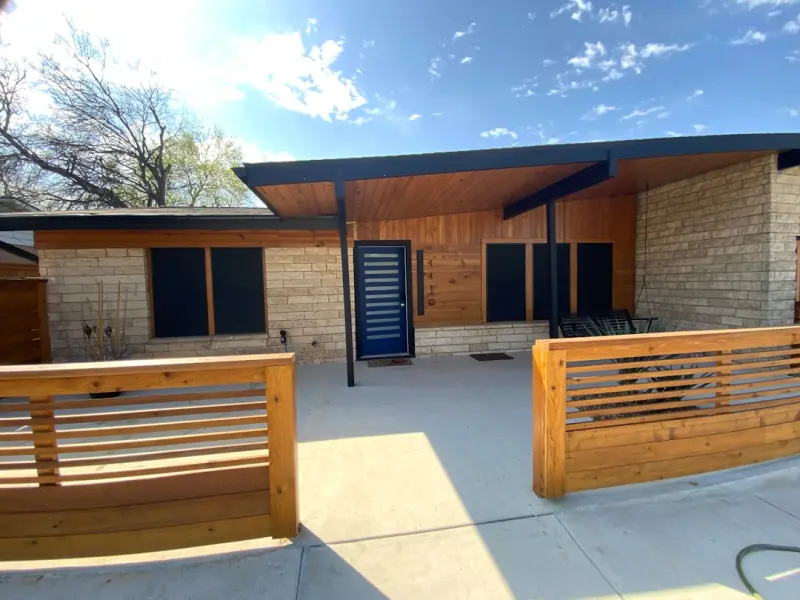
When most homeowners think about adding square footage, the first images that pop up are usually a finished basement, an extra bedroom, or a sun‑filled deck. But there’s a real estate goldmine literally hovering above our heads that many overlook: the roof. Turning that flat, often‑underutilized expanse into a thriving rooftop garden is the latest wave in home additions, and it’s reshaping how we think about space, sustainability, and lifestyle—all without expanding the building’s footprint.
Why a Rooftop Garden is the Ultimate Home Addition
Rooftop gardens do more than just look pretty. They create a micro‑climate that can lower indoor temperatures, improve air quality, and even boost your property’s market value. In dense urban neighborhoods where land is at a premium, a green roof becomes a private oasis, a source of fresh produce, and a buffer against noise and pollution—all wrapped into one stylish package.
From a financial perspective, studies show that a well‑designed green roof can recoup up to 10 % of its installation cost through energy savings, extended roof life, and increased curb appeal. And let’s not forget the intangible benefits: the mental health boost of caring for plants, the social cachet of hosting a garden party at “the top floor,” and the simple joy of stepping out onto a balcony that feels more like a park than a balcony.
Structural Foundations: Before You Plant Anything
Before you start dreaming of tomato vines and herb spirals, you need to ensure your roof can handle the added load. Most modern residential roofs are built to support around 20 lb/ft² of dead load (the weight of the roofing materials themselves). A garden can easily double or triple that, especially once saturated with water.
- Consult a structural engineer. They’ll assess load‑bearing capacity, recommend reinforcement if needed, and provide peace of mind.
- Consider modular, lightweight systems. Prefabricated tray systems made of recycled plastic or lightweight metal reduce overall weight while offering easy installation.
- Plan for future expansion. If you think you’ll eventually add a pergola, seating, or a small water feature, factor those loads in now.
Once the structural check is cleared, the next step is waterproofing—an often‑overlooked but critical component.
Waterproofing, Drainage, and Root Barriers
A roof’s primary job is to keep the interior dry. Adding soil and plants introduces new pathways for water infiltration. Here’s the hierarchy you’ll want to follow:
- Waterproof membrane. A high‑performance, UV‑resistant membrane (often EPDM or TPO) forms the first line of defense. It should be installed by a certified roofing contractor.
- Root barrier. This thin, yet durable sheet sits atop the membrane, preventing roots from puncturing the waterproof layer while still allowing water to pass through.
- Drainage layer. Lightweight aggregate, drainage mats, or purpose‑built panels ensure water doesn’t pool, reducing the risk of rot and structural stress.
- Growing medium. Specialized lightweight soil mixes (often a blend of compost, perlite, and expanded clay) provide nutrients without the heaviness of traditional garden soil.
Proper slope—typically 1‑2 %—directs excess water toward drains or scuppers. If your roof already has a built‑in drainage system, you’ll need to coordinate with a plumber to integrate additional weep holes or catch basins.
Choosing the Right Plants: Climate, Sun, and Maintenance
Not every plant thrives on a rooftop. Exposure to wind, heat, and direct sunlight can be brutal. The key is to select species that are drought‑tolerant, shallow‑rooted, and adaptable to the micro‑climate created by the roof’s heat‑absorbing surface.
- Sedums and succulents. Low‑maintenance, excellent for sunny spots.
- Herbs. Basil, thyme, and oregano love the heat and can be harvested fresh.
- Miniature fruit trees. Dwarf citrus or fig trees add a touch of indulgence without a massive root system.
- Native grasses and wildflowers. They attract pollinators, reduce irrigation needs, and add seasonal color.
When you’re ready to add a splash of personality, consider integrating paint technology on planters and railings. Modern low‑VOC, UV‑resistant paints not only protect surfaces but can also reflect heat, reducing the overall thermal load on your roof.
Integrating Technology: Smart Irrigation and Sensors
Just as the smart thermostat has turned HVAC into an energy‑saving ally, a rooftop garden can be paired with a suite of IoT devices that make care virtually hands‑free.
- Moisture sensors. Soil probes send real‑time data to a central hub, triggering drip irrigation only when needed.
- Weather‑linked controllers. Integration with local weather APIs lets the system pause watering ahead of rain, conserving water.
- Solar‑powered pumps. A small solar array installed alongside the garden can power circulation pumps for fountains or misting systems.
- LED grow lights. For rooftop spaces that receive limited sun in winter, low‑energy LEDs can extend the growing season.
These technologies not only simplify maintenance but also provide data you can use to fine‑tune the ecosystem for maximum efficiency.
Energy & Sustainability Benefits
Beyond aesthetics, a green roof offers concrete sustainability advantages:
- Insulation boost. The growing medium and vegetation add an extra 2‑4 inches of R‑value, reducing heating and cooling loads.
- Stormwater management. Green roofs can retain up to 75 % of rainfall, easing the burden on municipal drainage systems.
- Urban heat island mitigation. By reflecting sunlight and evaporating water, they lower surrounding air temperatures.
- Extended roof lifespan. The vegetation shields the membrane from UV radiation and temperature extremes, often adding 10‑15 years of service life.
When you combine these benefits with the potential to grow your own vegetables, the ROI starts to look compelling—especially in markets where energy costs are rising.
Aesthetic & Lifestyle Enhancements
A rooftop garden is more than a functional add‑on; it’s a lifestyle upgrade. Imagine stepping out after a long day onto a private deck crowned with a living wall of herbs, a low‑key fire pit, and a few strategically placed lounge chairs. It becomes a natural extension of your indoor living space—perfect for yoga at sunrise, evening cocktails, or a weekend brunch with a view.
For those who love to entertain, consider a modular pergola with retractable canvas. This creates shade on hot days while allowing you to pull back the cover for starlit evenings. Pair it with ambient lighting—think low‑voltage LED strips hidden in railings—and you’ve got an instant Instagram‑worthy backdrop.
Case Study: The Midtown Loft Transformation
Take the example of a 2,800 sq ft loft in a bustling city district. The owners had a flat roof that was previously used as a storage platform for seasonal items. They partnered with a local design‑build firm to convert it into a 600 sq ft rooftop garden.
- Structural upgrades. Reinforced joists added 1,200 lb of additional load capacity.
- Waterproofing system. A two‑layer EPDM membrane with a built‑in root barrier was installed.
- Plant palette. A mix of dwarf citrus trees, a herb spiral, and a native pollinator meadow.
- Tech integration. Soil moisture sensors linked to a Wi‑Fi‑enabled drip system, and solar LEDs for night lighting.
Six months after completion, the homeowners reported a 15 % reduction in AC usage during peak summer months. Their property appraisal reflected a 5 % increase in market value, attributing the boost to the unique amenity. Most importantly, they now host weekly rooftop brunches, turning a previously neglected space into the social hub of the home.
Planning, Permits, and Neighborhood Considerations
Before you dive headfirst, check local zoning codes. Some municipalities require:
- A minimum setback from the building line.
- Specific fire‑resistance ratings for the roofing membrane.
- Height restrictions if the addition includes a pergola or raised platform.
Engage with your homeowner’s association early. While many HOAs are embracing green roofs for their aesthetic and sustainability benefits, some still have strict guidelines regarding visible structures or plant types.
Budgeting and ROI: How to Keep Costs in Check
Rooftop garden projects can range from a DIY‑friendly $10,000 for a small, container‑based installation to upwards of $75,000 for a high‑end, fully integrated system with custom lighting, irrigation, and structural reinforcements. Here’s a simple budgeting framework:
- Structural assessment & reinforcement. 30 % of total cost.
- Waterproofing & drainage. 25 %.
- Growing medium & plants. 15 %.
- Technology & lighting. 20 %.
- Labor & permits. 10 %.
Remember, the ROI isn’t just monetary. Factor in energy savings, extended roof life, increased resale value, and the priceless benefit of daily access to nature.
Maintenance Made Simple
While a rooftop garden does demand care, the right design can keep it low‑maintenance:
- Choose self‑watering containers. These have built‑in reservoirs that release moisture slowly.
- Schedule seasonal pruning. A quick trim in early spring removes dead material and encourages healthy growth.
- Use a compost tea spray. This natural fertilizer feeds microbes that improve soil health.
- Inspect drainage. Once a year, clear debris from scuppers and gutters to prevent pooling.
With a smart irrigation system, you’ll likely spend less than an hour a week tending the space—much less than a traditional garden in the yard.
Final Thoughts: Elevate Your Home, Elevate Your Life
Rooftop gardens represent the next logical evolution of home additions. They merge sustainability, technology, and lifestyle into a single, vertical footprint that respects the limits of urban space. Whether you’re a seasoned gardener, a tech enthusiast, or simply someone looking for a fresh way to add value and joy to your home, a rooftop garden offers a compelling, future‑forward solution.
Start by assessing your roof’s structural capacity, consult the right experts, and let your imagination soar. In a world where every square foot counts, the sky isn’t the limit—it’s the new living room.

Craig Brett is a freelancer with a passion for the outdoors. His love for nature inspires his work, bringing authentic and engaging perspectives to projects related to outdoor activities, adventure, and environmental topics.
Related Posts

The Hidden Value of Adding a Purpose‑Built Flex Wing to Your Home
A purpose‑built flex wing offers a adaptable, sustainable extension that meets today’s needs and... Read More
Creating a Multi‑Generational Home Addition That Works for Everyone
A multi‑generational home addition blends accessibility, flexibility, and smart design to keep fam... Read More
Transforming Your Home with Sustainable and Innovative Additions
Explore the world of sustainable home additions and learn how to create a dream home that meets your... Read More
Top Posts

Beyond the Siren: Crafting a Home Alarm System That Listens to Your Lifestyle
A lifestyle‑first alarm system blends edge intelligence, community alerts, and custom zoning to protect homes without disrupting daily life, turning security ...Read More
The Hidden Power of Routine Property Maintenance: A Lifestyle Upgrade
Explore a fresh approach to property upkeep that blends mindfulness, smart tech, and community support, turning routine tasks into lasting value and peace of mi...Read More

Harvesting Rain: How Modern Gutter Systems Power Sustainable Buildings
Rain‑harvesting gutters transform a simple roof accessory into a powerful sustainability tool, delivering water savings, protecting foundations, and enhancing...Read More
Design‑Build Blueprint for Net‑Zero Energy Homes
A deep dive into the design‑build process that turns net‑zero energy goals into reality, covering site analysis, envelope design, renewable integration, and...Read More
0 Comments
Post Comment
You will need to Login or Register to comment on this post!