
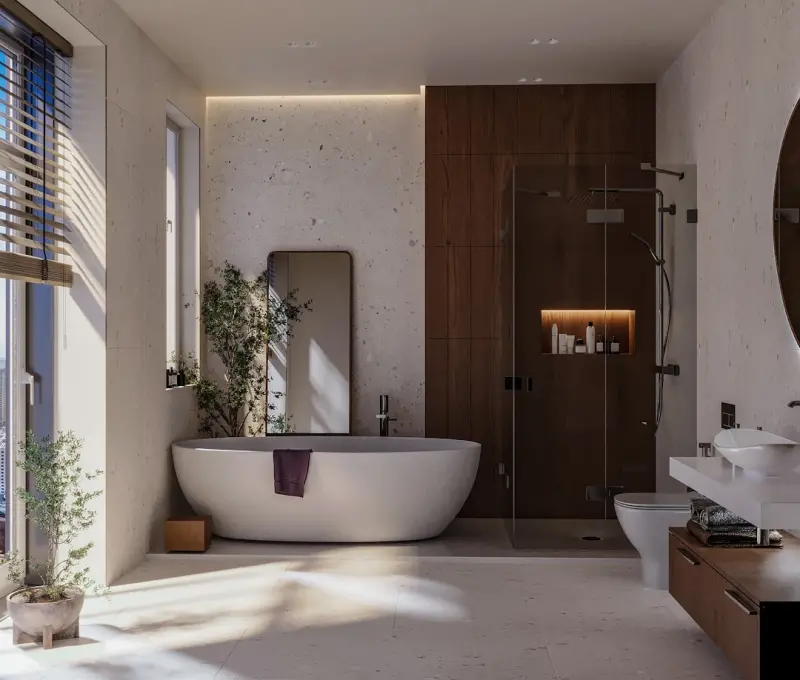
Why Your Next Bathroom Renovation Should Be a Story of Sustainability, Smarts, and Inclusivity
When I first stepped into my grandparents’ tiny bathroom after a long weekend away, I felt an odd mix of nostalgia and frustration. The original tiles had a charming patina, but the fixtures were relics from a bygone era, guzzling water like they were competing in a “who can waste the most” contest. The cramped layout made even a quick splash feel like an obstacle course. That moment sparked a personal mission: to prove that a bathroom can be more than a functional pit stop—it can be a showcase of responsible design, intelligent tech, and thoughtful accessibility, all without sacrificing style.
In this post I’m going to walk you through three pillars that should shape any modern bathroom remodel: environmental stewardship, connected‑home integration, and human‑centric design. I’ll also share the little‑but‑critical details that often get lost in glossy magazine spreads, the mistakes that can silently erode your budget, and a few practical resources to keep you on track.
1. Sustainable Materials: From “Good Enough” to “Good for the Planet”
Eco‑friendly design used to be a niche conversation limited to architects who whispered about “low‑impact” finishes. Today, sustainable materials are mainstream, affordable, and—most importantly—beautiful. Here’s how you can bring greener choices into every corner of your bathroom.
- Reclaimed and Recycled Tiles. Instead of the classic glazed ceramic, consider reclaimed slate or recycled glass tiles. They often feature unique veining patterns that become conversation starters, and because they’re repurposed, they divert waste from landfills. Look for manufacturers that provide a Life‑Cycle Assessment (LCA) report; it’s a transparent way to verify the environmental impact.
- Low‑VOC Paints & Finishes. Traditional bathroom paints can off‑gas formaldehyde and other volatile organic compounds (VOCs). Switching to low‑VOC or VOC‑free paints improves indoor air quality—especially important in a room where steam can circulate pollutants.
- Water‑Saving Fixtures. The obvious step is a low‑flow faucet, but go a step further with sensor‑activated taps that adjust flow based on hand motion. Dual‑flush toilets allow you to choose between a light flush for liquid waste and a heavier one for solids, cutting water use by up to 30% without sacrificing performance.
- Eco‑Friendly Countertops. Engineered stone made from recycled paper and resin (often called “papercrete”) or sustainably sourced bamboo can look sleek while keeping the carbon footprint low. These materials also tend to be more resistant to cracking under temperature fluctuations.
One of the biggest myths is that green materials cost a fortune. In reality, bulk‑ordering reclaimed tiles can shave up to 20% off the price of brand‑new porcelain, and many municipalities offer rebates for installing water‑efficient fixtures. By calculating the total cost of ownership—including water savings over a decade—you’ll see the financial case for sustainability lining up perfectly with the ethical one.
2. Smart Bathroom Tech: The Invisible Helpers That Make Life Easier
Smart homes have moved beyond thermostats and lighting. The bathroom, with its high‑traffic daily rituals, is ripe for automation that feels like a personal concierge rather than a gimmick.
- Connected Mirrors. A mirror with an embedded display can stream weather updates, calendar reminders, or even your favorite podcast while you brush. Some models integrate facial recognition to adjust lighting temperature based on your skin tone—ideal for makeup application or shaving.
- Voice‑Activated Faucets. Imagine saying “Hey, Alexa, set the shower to 100°F” and watching the temperature rise without a single twist of a knob. Voice control also means you can keep the faucet clean—no more smudges from greasy hands.
- Leak Detection Sensors. A discreet sensor tucked under the sink can alert your phone the moment a leak is detected, preventing costly water damage before it spreads. Pair this with a home‑automation platform that can automatically shut off the main valve, giving you peace of mind even when you’re away.
- Usage Analytics. Some modern fixtures come with built‑in flow meters that log water consumption. Over time, you get a clear picture of where you might be over‑using, allowing you to adjust habits or replace an outlier fixture.
When I added a smart mirror to my own remodel, the biggest surprise was how often I used it for quick health checks—like a skin tone scan that suggested sun protection adjustments. The tech became a silent health coach, reinforcing the idea that the bathroom can be a hub for wellbeing beyond the obvious.
3. Inclusive Design: Bathrooms That Work for Everyone, Now and Later
Many remodels focus solely on aesthetics, neglecting the fact that a bathroom is a shared space that evolves with its occupants. Designing for accessibility doesn’t mean “elderly‑only”—it means creating a flexible environment that serves everyone, from a toddler learning to wash hands to a future‑self with reduced mobility.
- Zero‑Threshold Showers. A curbless entry eliminates the trip hazard of a raised threshold, making it easier for wheelchair users, seniors, and even pets. Pair the entry with a slip‑resistant floor surface (think textured stone or anti‑skid vinyl) for added safety.
- Lever‑Style Handles. Lever faucets require less grip strength than traditional knobs, benefiting users with arthritis or limited hand mobility.
- Adjustable Height Vanities. Modular vanity tops that can be raised or lowered with simple brackets give you the freedom to customize the work surface to your exact ergonomic needs.
- Grab Bars with Style. Modern grab bars come in brushed nickel, matte black, or even integrated into the wall as a sleek “rail” that blends with the design. Position them strategically near the toilet and shower to provide support without looking institutional.
During my own remodel, I consulted a certified aging‑in‑place specialist. The advice was surprisingly simple: think about the next 15‑20 years of your life and design for that future you. The result was a bathroom that feels spacious, safe, and—most importantly—still looks like a spa retreat.
4. The Hidden ROI of Thoughtful Renovations
Beyond the immediate satisfaction of a beautiful space, a well‑planned bathroom remodel can unlock hidden financial benefits. While “the untapped financial upside of bathtub refinishing” has already been explored elsewhere, there are other avenues to consider:
- Energy Efficiency Gains. Insulated walls and ceilings keep steam from seeping into adjacent rooms, reducing HVAC loads. Pair this with a heat‑recovery ventilation system, and you’ll see lower energy bills without sacrificing comfort.
- Increased Property Value. Real estate appraisers consistently rank bathroom upgrades among the top three improvements that yield the highest return on investment. A modern, eco‑friendly bathroom can add 5‑7% to a home’s resale value.
- Insurance Premium Reductions. Installing leak detection sensors and waterproofing measures (see our guide on waterproofing as a strategic asset) can lower the risk profile of your property, potentially leading to lower homeowner’s insurance rates.
- Reduced Maintenance Costs. Choosing high‑quality, low‑maintenance materials—like quartz countertops instead of marble—means fewer repairs and refinishing cycles over the lifespan of the renovation.
5. A Practical Path Forward: Checklist Meets Strategy
All the inspiration in the world can’t replace a solid plan. If you feel overwhelmed, start by mapping out a timeline and budget that respects both your design ambitions and practical constraints. I found a fantastic resource in the renovation checklist that helped me break the project into bite‑size phases: discovery, design, procurement, installation, and final inspection.
Here’s a distilled version that aligns with the three pillars we discussed:
- Discovery. Conduct a water‑usage audit, assess current insulation, and identify accessibility gaps.
- Design. Choose sustainable materials, plan smart‑tech placement, and sketch inclusive layouts.
- Procurement. Source reclaimed tiles, order low‑flow fixtures, and purchase sensors with warranty support.
- Installation. Coordinate tradespeople, schedule waterproofing checks, and integrate tech components with your home hub.
- Inspection & Handover. Verify that leak detectors are functional, test smart controls, and ensure all grab bars are securely anchored.
Following a structured approach minimizes surprises and ensures that every decision—whether it’s the choice of a recycled glass tile pattern or a voice‑activated faucet—feeds into a cohesive story of sustainability, intelligence, and inclusivity.
6. Future‑Proofing: The Bathroom as a Living Laboratory
Finally, think of your bathroom as a testbed for emerging technologies. As IoT standards evolve, you’ll likely see new integrations such as:
- AI‑Driven Water Optimization. Systems that learn your usage patterns and automatically adjust flow rates to minimize waste.
- Health Monitoring Surfaces. Mirrors that detect skin anomalies or humidity sensors that warn of mold growth before it becomes visible.
- Modular Upgrade Paths. Plug‑and‑play modules that allow you to add features—like heated towel racks or aromatherapy diffusers—without major renovations.
By embedding flexible infrastructure now—like conduit pathways for future wiring—you’ll be able to adopt these innovations without tearing down walls again. In other words, your bathroom will stay ahead of the curve, just like the smart office spaces discussed in other industry posts.
In the end, the most satisfying renovations are those that blend heart and head. They honor the planet, embrace technology, and respect the bodies that will use them. If you approach your bathroom remodel with these principles, you’ll end up with a space that feels like a personal sanctuary and a forward‑thinking asset—one that serves you today and continues to adapt for the years ahead.

When it comes to the world of blogging and writing, Rose DesRochers is a name that stands out. Her passion for creating quality content and connecting with her audience has made her a trusted voice in the industry. Aside from her skills as a writer and blogger, Rose is also known for her compassionate nature.
Related Posts
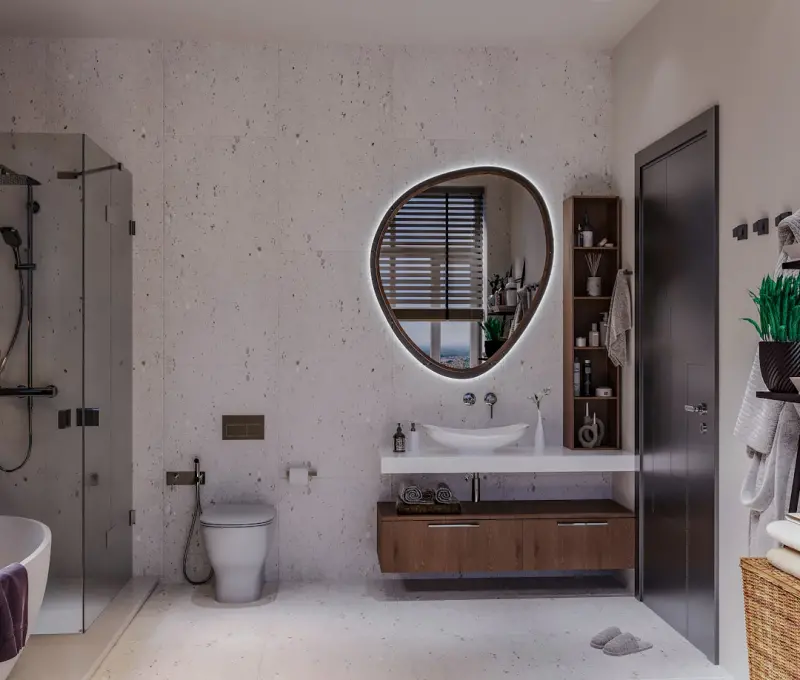
Designing a Sanctuary: The New Wave of Bathroom Renovations
A fresh look at bathroom remodels that blends spa‑like wellness, eco‑friendly fixtures, and futu... Read More
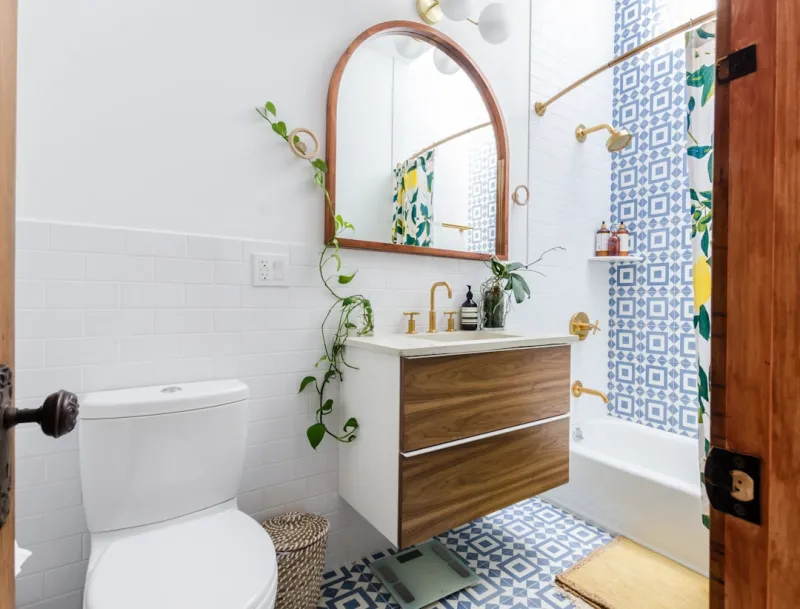
Sustainable Bathroom Renovations: A Guide to Eco-Friendly Upgrades
Learn how to create a sustainable bathroom renovation that's both eco-friendly and functional. Disco... Read More
Designing a Bathroom That Grows With You: Adaptive Spaces for Modern Living
A bathroom should evolve with you. Learn innovative strategies to build a space that adapts to chang... Read More
Top Posts
Thermal Energy Storage: The Quiet Powerhouse Behind Modern HVAC Efficiency
Thermal energy storage (TES) captures excess cooling or heating when utility rates are low and releases it during peak demand, delivering significant cost savin...Read More

When Clean Meets Green: Rethinking Carpet Care for a Healthier Home
Explore a data‑driven, low‑impact approach to carpet cleaning that reduces water use, eliminates harsh chemicals, and extends carpet life while improving in...Read More

The Green Revolution in Tiling: Sustainable Solutions for a Modern Home
The demand for sustainable tiling solutions is on the rise. Learn about the latest eco-friendly materials and techniques that can reduce the environmental impac...Read More
Self‑Healing Concrete: Turning Cracks into Data‑Driven Opportunities
Self‑healing concrete offers autonomous crack repair, cost savings, and sustainability benefits. Learn how embedding sensors turns each healing event into act...Read More
0 Comments
Post Comment
You will need to Login or Register to comment on this post!