
Why a Shed Can Be Your Secret Sanctuary
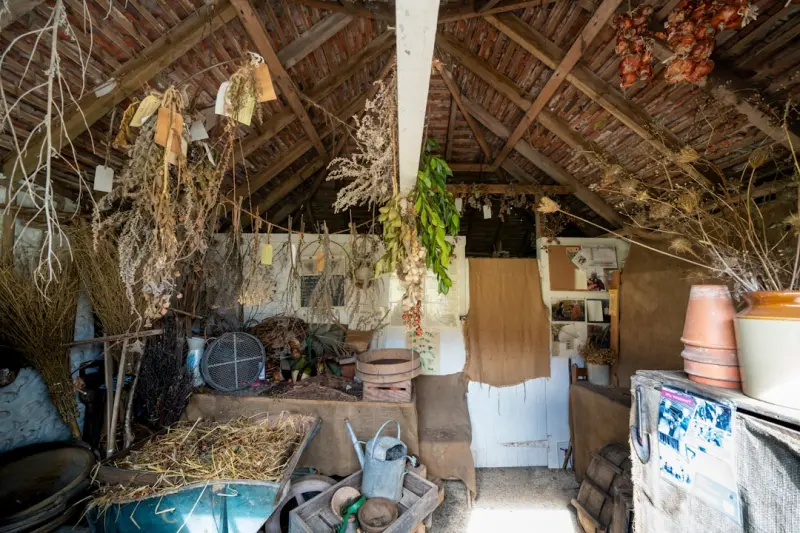
When most homeowners think of a shed, they picture a cramped storage bin for garden tools, but the truth is far more compelling: a well‑designed shed can evolve into a year‑round sanctuary that nurtures creativity, focus, and peace. Imagine stepping through a modest door and instantly entering a space where the scent of fresh pine mingles with soft, natural light, inviting you to paint, write, or simply unwind away from the household buzz. This transformation hinges on a deliberate design mindset that treats the shed not as an afterthought but as an intentional extension of your home’s personality, complete with thoughtful layout, insulation, and personal touches that reflect your unique lifestyle. By re‑imagining the humble outbuilding, you unlock a flexible haven that adapts to seasons, projects, and moods without the cost or complexity of building an additional interior room.
Crafting a Design Narrative That Resonates
Every successful shed conversion starts with a clear narrative—a story that guides material choices, spatial organization, and aesthetic details. Rather than copying generic DIY templates, I encourage you to ask: what emotions do you want this space to evoke, and how will those feelings shape its architecture? For instance, if you crave a tranquil reading nook, prioritize soft textures, built‑in shelving, and a window that frames the garden like a living picture. Conversely, a bustling craft studio demands ample bench space, sturdy work surfaces, and strategic lighting to minimize shadows. By anchoring your design to a personal “why,” you create a cohesive environment where every element, from the type of wood to the placement of a single potted herb, contributes to a harmonious whole that feels both purposeful and inspiring.
Selecting Materials That Speak to Both Form and Function
The choice of materials is where durability meets visual poetry, and it’s essential to balance practicality with style. Opt for reclaimed cedar or reclaimed barn wood to infuse the space with history while reducing environmental impact; these timbers age gracefully, developing a patina that deepens the character of the interior over time. Pair the wood with insulated metal panels for the roof, a combination that offers fire resistance and superior thermal performance. When it comes to finishing touches, natural oil stains highlight grain patterns without sealing the wood entirely, allowing it to breathe. As you gather tools, consider investing in versatile, high‑quality items that can serve multiple tasks—an approach echoed in Everyday Tools That Turn Small Repairs into Big Savings, where the right equipment reduces waste and streamlines the build process.
Mastering Insulation and Climate Control for All Seasons
To truly enjoy your shed throughout the year, you must address temperature regulation, a challenge that often surprises first‑time renovators. Begin with spray‑foam insulation between the wall studs; it creates an airtight seal that blocks drafts and reduces heat loss, making the space comfortable even on chilly mornings. Complement the insulation with a small, energy‑efficient ductless heat pump, which provides both heating and cooling without the need for extensive ductwork. For those who prefer passive solutions, consider installing double‑glazed windows with low‑emissivity coatings, a strategy highlighted in How to Build a Climate‑Resilient Landscape That Thrives in Any Weather, to maintain consistent interior temperatures while letting natural light flood the room. Proper ventilation, achieved through a discreet ridge vent or operable skylight, prevents moisture buildup, safeguarding both your stored belongings and the structural integrity of the shed.
Lighting, Ambiance, and the Art of Mood‑Setting
Lighting is the brushstroke that paints mood within the four walls of your shed, and thoughtful layering can turn a functional workspace into an atmospheric retreat. Start with ambient illumination—install dimmable LED recessed lights that provide even, energy‑saving coverage and can be adjusted to match the time of day or activity. Add task lighting directly over work surfaces, such as adjustable pendant lamps with warm‑white bulbs, ensuring clarity for detailed projects like woodworking or sketching. Finally, introduce accent lighting: LED strip lights hidden behind shelving, or a vintage filament bulb perched on a reclaimed pipe, which adds visual interest and a sense of charm. When designing for seasonal versatility, refer to Creating a Year‑Round Outdoor Living Room: Seasonal Styling and Comfort for ideas on swapping textures and colors to keep the space fresh throughout the year.
Designing a Multifunctional Layout Without Compromise
A shed that serves multiple purposes—studio, office, yoga studio, or guest room—requires a layout that feels spacious yet organized, a challenge solved by modular furniture and built‑in storage solutions. Install a wall‑mounted, fold‑away desk that can be tucked away when you need open floor space for a yoga session, and incorporate sliding barn doors to conceal clutter without sacrificing aesthetics. For those who enjoy culinary creativity, a compact prep station featuring a stainless‑steel countertop—an element explored in Choosing Countertops That Blend Sustainability, Style, and Smart Functionality—provides a durable surface that can double as a craft table. Integrate built‑in shelving that follows the slope of the roof, maximizing vertical space while maintaining a clean, uncluttered look. By planning zones that fluidly transition from one activity to another, you preserve the shed’s intimate charm while expanding its utility.
Embedding Sustainability at the Core of Your Project
Sustainability is not a buzzword; it’s a guiding principle that can shape every decision from site selection to finishing touches. Position the shed on a permeable foundation—such as a gravel bed or recycled rubber pads—to reduce runoff and protect the surrounding soil. Harvest rainwater from the roof using a simple gutter system that feeds a barrel, providing an eco‑friendly source for watering indoor plants or cleaning tools. Choose low‑VOC paints and natural finishes to maintain indoor air quality, especially important if the shed doubles as a meditation or yoga space. Additionally, integrate solar-powered exterior lighting or a small photovoltaic panel that can power the heat pump, creating a nearly off‑grid refuge that aligns with broader environmental goals while delivering tangible energy savings.
Budget‑Friendly DIY Strategies for the Savvy Homeowner
Transforming a shed need not drain your savings; with strategic planning, you can achieve a high‑end look on a modest budget. Start by salvaging materials from demolition sites or local reclamation yards—reclaimed doors, windows, and flooring often come at a fraction of the retail price and add unique character. When it comes to flooring, consider poured‑in epoxy over a concrete slab; it’s inexpensive, durable, and can be tinted to match your design palette. For decorative touches, use pallet wood to craft rustic shelving or a headboard, and apply a simple chalk paint for a distressed finish. Remember that the biggest savings often come from doing the labor yourself; watching tutorials, consulting forums, and following step‑by‑step guides can empower you to tackle framing, electrical, and finish work without hiring professionals, turning the project into both a cost‑effective and rewarding experience.
Maintenance Practices That Preserve Longevity and Beauty
Once your shed has matured into a beloved haven, regular maintenance ensures it remains inviting for years to come. Conduct seasonal inspections of the roof, flashing, and sealants to catch water intrusion before it compromises the structure. Clean the windows and replace worn weatherstripping to preserve insulation efficiency. Inside, dust surfaces weekly, and treat wood with a light oil coat annually to prevent drying and cracking. For the HVAC system, change filters every three months and schedule a professional tune‑up annually to maintain optimal performance. By establishing a simple maintenance calendar—perhaps a quarterly “shed day”—you protect your investment, keep the space healthy, and continue to enjoy the creative freedom it provides.
Envisioning the Future: Your Shed as a Living, Evolving Space
The beauty of a well‑crafted shed lies in its capacity to grow alongside you, adapting to new hobbies, life stages, and design trends. Today it might serve as an artist’s studio; tomorrow it could transform into a home gym, a compact guest suite, or even a miniature greenhouse for exotic herbs. By embedding flexible infrastructure—such as extra electrical circuits, modular walls, and ample storage—you lay the groundwork for future reinventions without starting from scratch. As you step back and admire the finished sanctuary, you’ll realize that the shed is more than a structure; it’s a living extension of your aspirations, a testament to thoughtful design, and a personal retreat that continually fuels your imagination and well‑being.

When it comes to the world of blogging and writing, Rose DesRochers is a name that stands out. Her passion for creating quality content and connecting with her audience has made her a trusted voice in the industry. Aside from her skills as a writer and blogger, Rose is also known for her compassionate nature.
Related Posts

Backyard Office Revolution: Turning Sheds & Gazebos into Power‑Packed Workspaces
Learn to transform a simple backyard shed into a high‑performance office with solar energy, smart ... Read More
From Backyard to Boardroom: Adaptive Sheds and Gazebos for Modern Home Offices
A deep dive into converting traditional sheds and gazebos into high‑performing, climate‑smart wo... Read More

Seasonal Sheds: Crafting a Year‑Round Outdoor Sanctuary
Learn to reinvent your backyard shed as a year‑round sanctuary, blending eco‑friendly materials,... Read More
Top Posts

The Handyman’s Blueprint for Rapid, Profitable Repairs
Learn how a tactical service calendar, clear pricing, mobile toolkits, and digital tools can turn everyday handyman jobs into a profitable, trust‑building bus...Read More

The Hidden Economics of Proactive Foundation Repair
A homeowner’s guide to spotting foundation trouble early, leveraging data‑driven tools, and choosing the right repair strategy to protect your investment an...Read More

Turning Red Tape into Green Light: The New Era of Construction Permits
Construction permits are no longer a bureaucratic hurdle but a strategic advantage. This post explores how digital platforms, AI, and BIM integration streamline...Read More

Transforming Basements into High‑Performance, Future‑Ready Spaces
A data‑driven, modular approach to basement renovations can convert a dark, damp area into a high‑performance hub for work, wellness, and entertainment whil...Read More
0 Comments
Post Comment
You will need to Login or Register to comment on this post!