
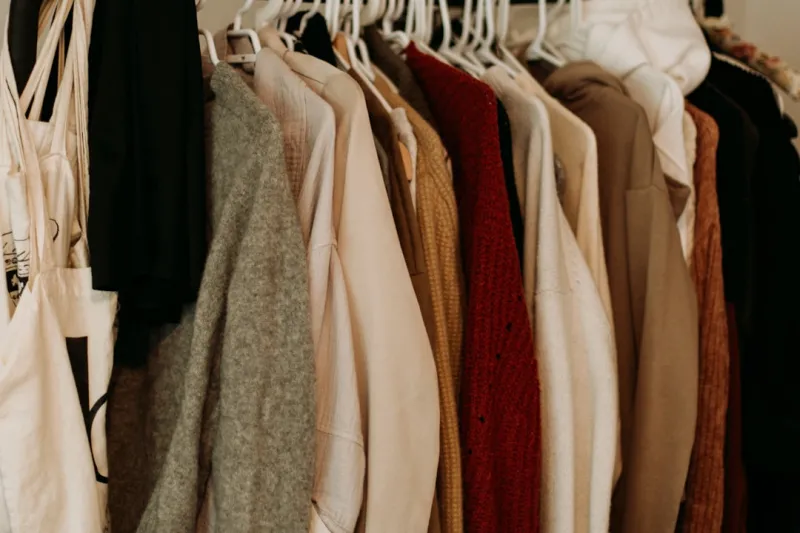
Revolutionizing Closet Organization: The Sustainable Approach
As a homeowner and organization enthusiast, I've come to realize that the way we approach closet organization and storage has a significant impact on our environment. Traditional closet designs often prioritize aesthetics over sustainability, resulting in cramped, cluttered spaces that not only harm the planet but also our well-being. In this article, I'll explore the concept of sustainable closet design and provide practical tips on how to transform your storage space into an eco-friendly oasis.
The Environmental Impact of Traditional Closets
Traditional closets often rely on resource-intensive materials, such as wood and synthetic fabrics, which contribute to deforestation and pollution. Moreover, the fast fashion industry's emphasis on trendy, disposable clothing has led to an explosion of waste in landfills and oceans. By adopting sustainable practices in closet design, we can significantly reduce our environmental footprint. For instance, choosing reclaimed wood or sustainably sourced materials for shelving and storage units can make a substantial difference.
The Benefits of Sustainable Closet Design
A well-designed sustainable closet not only benefits the environment but also enhances our quality of life. By incorporating eco-friendly materials, energy-efficient lighting, and optimized storage solutions, we can create a space that is both functional and peaceful. A sustainable closet can also help reduce stress and promote mindfulness, as a clutter-free environment fosters a sense of calm and clarity. Furthermore, sustainable closet design can increase the value of our homes, making them more attractive to eco-conscious buyers.
Key Elements of Sustainable Closet Design
So, what are the essential components of a sustainable closet? First and foremost, it's crucial to assess your current closet and identify areas for improvement. Consider adopting eco-friendly storage solutions, such as repurposed crates or sustainably sourced shelving units. Additionally, incorporate energy-efficient lighting and natural ventilation to minimize your closet's carbon footprint. Don't forget to declutter and donate unwanted items, reducing waste and supporting sustainable fashion practices.
Creative Storage Solutions for a Sustainable Closet
One of the most significant challenges in closet organization is finding creative storage solutions that are both functional and eco-friendly. Consider repurposing old pallets or crates to create unique shelving units or storage compartments. You can also utilize double rods and adjustable shelves to maximize storage capacity while minimizing waste. For a more minimalist approach, explore sustainable closet organizers made from reclaimed wood or bamboo.
The Role of Sustainable Materials in Closet Design
The materials we choose for our closet design play a significant role in determining its sustainability. Opt for sustainably sourced wood, recycled materials, or low-VOC paints to minimize your closet's environmental impact. Consider incorporating natural fibers, such as cotton, hemp, or bamboo, into your closet's design. These materials not only reduce waste but also promote a healthier indoor environment. When selecting materials, remember to prioritize durability and longevity to minimize the need for frequent replacements.
Maintaining a Sustainable Closet
Transforming your closet into a sustainable oasis is just the first step. To maintain its eco-friendly status, establish a regular cleaning routine and encourage mindful consumption habits. Implement a "one in, one out" policy to prevent clutter buildup and ensure that your closet remains organized and clutter-free. Consider weatherproofing your closet to prevent moisture damage and reduce the need for costly repairs.
Conclusion
In conclusion, revolutionizing closet organization through sustainable design is a critical step towards reducing our environmental footprint. By incorporating eco-friendly materials, creative storage solutions, and mindful consumption habits, we can transform our closets into peaceful, functional spaces that promote well-being and sustainability. As we move forward, it's essential to prioritize sustainable practices in all aspects of home design, including closet organization. By doing so, we can create a healthier, more eco-friendly living environment for ourselves and future generations.
Take the First Step Towards a Sustainable Closet
Embarking on a sustainable closet design journey can seem daunting, but it starts with small, intentional steps. Begin by assessing your current closet and identifying areas for improvement. Research eco-friendly materials and sustainable storage solutions that align with your values and budget. Don't be afraid to get creative and experiment with innovative storage solutions. By taking that first step, you'll be well on your way to creating a sustainable closet that not only benefits the environment but also enhances your quality of life.
Final Tips and Recommendations
As you embark on your sustainable closet design journey, remember to stay flexible and adaptable. Be open to new ideas and willing to experiment with different materials and storage solutions. Don't hesitate to seek inspiration from eco-friendly design blogs, social media, or professional organizers. Finally, prioritize self-care and mindfulness in your closet design process, recognizing that a sustainable closet is not just about aesthetics but also about promoting well-being and sustainability.

David MacKinnon is a dynamic freelance writer known for his captivating storytelling and keen insights into the world of technology. With a passion for exploring the intersection of innovation and everyday life, he crafts engaging narratives that not only inform but also inspire his readers.
Related Posts
Intelligent Closet Systems: Turning Office Storage into a Strategic Asset
Explore the shift from static shelves to intelligent storage ecosystems that save time, cut costs, a... Read More
Why Your Closet Is the Ultimate Productivity Hack
A well‑designed closet does more than store clothes; it streamlines mornings, enhances mental clar... Read More
Seasonal Wardrobe Rotation: Turning Your Closet into a Year‑Round Organizer
Learn to transform a static closet into a flexible, seasonal storage solution that simplifies dressi... Read More
Top Posts

The Sustainable Benefits of Eco-Friendly Garage Doors
Eco-friendly garage doors offer a range of sustainable benefits, from energy efficiency to reduced environmental impact. Learn how to make your garage door more...Read More
Hands‑On Plumbing: DIY Tips, Leak Detection & Sustainable Water Savings
Discover how simple tools and step‑by‑step techniques can help homeowners fix drips, spot hidden leaks, and adopt sustainable water practices without relyin...Read More
Designing the Kitchen as a Hybrid Hub: Work, Play, and Sustainable Living
The kitchen is evolving from a cooking zone into a hybrid hub that supports remote work, sustainability, and wellness. Discover design strategies, smart applian...Read More

Shade as a Strategic Lever: Unleashing the Power of Modern Awnings
A modern awning is more than shade—it’s a branding canvas, an energy saver, and a data source. Learn how to turn this often‑overlooked element into a stra...Read More
0 Comments
Post Comment
You will need to Login or Register to comment on this post!