
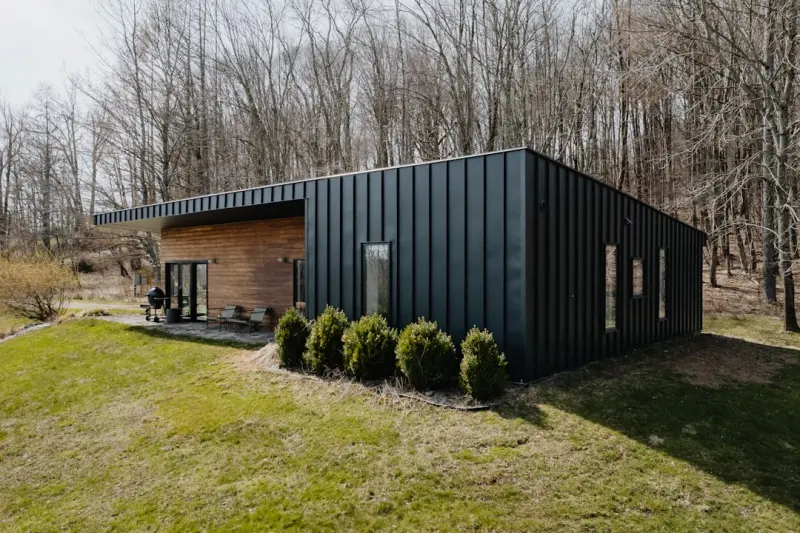
Why Modular Construction Is Reshaping Residential Building
When I first stepped onto a bustling construction site, the symphony of hammer blows, diesel fumes, and endless material deliveries felt inevitable. It was a reminder that traditional home building is as much about logistics as it is about design. Over the past few years, I’ve watched a quiet revolution unfold—not in the form of towering skyscrapers or high‑tech coatings, but in the very way we assemble the walls of our homes. Modular construction, once the domain of temporary classrooms and fast‑food franchises, is now stepping onto the residential stage with a promise of speed, sustainability, and unprecedented design flexibility.
The Core Appeal: Speed Without Compromise
One of the most compelling arguments for modular homes is the dramatic reduction in construction timelines. Because modules are fabricated in climate‑controlled factories, work is not delayed by rain, snow, or extreme temperatures. A project that might take twelve months on a conventional site can be completed in half that time, sometimes even less. The parallel workflow—where site preparation and module fabrication happen simultaneously—means homeowners can move in while the surrounding landscape is still being finalized.
Speed, however, does not equate to cutting corners. Factories employ precision CNC equipment, laser cutters, and robotic assemblers that ensure each panel meets exact tolerances. The result is a structure that is often more airtight and structurally consistent than one built piece‑by‑piece on site.
Waste Reduction and Environmental Gains
Construction waste has long been a hidden cost of home building. Traditional sites generate mountains of off‑cuts, excess drywall, and unused lumber that end up in landfills. In a factory setting, materials are optimized through computer‑driven nesting algorithms, which dramatically lower scrap rates. Moreover, the controlled environment allows for the reuse of leftover materials across multiple projects.
When we think about sustainability, it’s easy to focus solely on the finished building’s energy performance. Yet the embodied carbon of the construction process itself matters. By reducing waste and improving material efficiency, modular construction can shave off a significant portion of a home’s overall carbon footprint.
Design Flexibility: From Minimalist Boxes to Complex Forms
There’s a lingering myth that modular homes are limited to boxy, cookie‑cutter designs. The reality is far more nuanced. Modern factories can produce curved walls, double‑height spaces, and intricate interior layouts. Architects now collaborate with manufacturers early in the design phase, feeding digital models directly into the production line.
Because modules are essentially “plug‑and‑play” components, homeowners can start with a modest footprint and later expand by adding new sections—much like adding a room to a Lego set. This scalability is a boon for growing families or those who anticipate future needs, such as aging‑in‑place adaptations.
Integrating Emerging Technologies
While modular construction accelerates the build, it also creates a perfect platform for integrating the latest home‑tech innovations. For instance, installing high‑tech paint technologies during factory finishing ensures consistent coverage and reduces on‑site labor. Similarly, incorporating real‑time energy monitoring sensors into walls and ceilings is far easier when the building envelope is sealed in a factory setting.
Even structural materials can benefit from tech advancements. The innovative concrete solutions being pioneered for high‑rise construction are now finding their way into low‑rise modular panels, offering stronger, lighter, and more carbon‑aware building blocks.
Addressing Common Misconceptions
- “Modular homes are low‑quality.” The factory environment actually raises quality control standards. Each module undergoes rigorous testing for structural integrity, moisture resistance, and thermal performance before it leaves the plant.
- “Financing is a nightmare.” Lenders are increasingly familiar with modular projects, especially as the market matures. The predictable timeline and reduced risk of cost overruns make modular loans an attractive proposition for banks.
- “Customization is impossible.” As mentioned, modern modular designs can be highly customized. From premium interior finishes to bespoke floor plans, the only real limit is the collaboration between the homeowner, architect, and factory.
Practical Steps for Homeowners Considering Modular
If you’re intrigued by the idea of a modular home, here’s a roadmap to help you navigate the process:
- Define Your Priorities. Are you after speed, sustainability, or design freedom? Knowing what matters most will guide your conversations with manufacturers.
- Engage an Architect Early. A professional who understands modular constraints can translate your vision into a set of modules that fit together seamlessly.
- Choose a Reputable Manufacturer. Look for factories with proven track records, transparent quality metrics, and a portfolio of completed homes.
- Plan Site Logistics. While the home itself arrives pre‑built, you’ll still need a prepared foundation, utility connections, and access routes for delivery trucks.
- Incorporate Smart Systems Early. Decide on HVAC, lighting, and security solutions that can be pre‑wired into the modules.
- Schedule Inspections. Even though modules are factory‑tested, on‑site inspections verify that the assembled structure meets local building codes.
Future Trends: Where Modular Could Head Next
Looking ahead, modular construction is poised to intersect with several emerging trends:
- Carbon‑Negative Materials. Researchers are experimenting with bio‑based composites that capture CO₂ during production, potentially turning homes into carbon sinks.
- Adaptive Facades. Imagine a modular home whose exterior panels can change opacity or insulation value in response to weather conditions—an integration of smart skins with prefabricated envelopes.
- Community‑Scale Modular Development. Rather than isolated houses, developers are exploring entire neighborhoods built from modular units, allowing for shared amenities and coordinated infrastructure.
Conclusion: A New Chapter in Home Construction
Modular construction isn’t a gimmick; it’s a maturing methodology that aligns with the pressing demands of today’s homeowners—speed, sustainability, and personalization. By embracing factory precision, reducing waste, and welcoming cutting‑edge technologies, we can craft homes that are both high‑performing and deeply tailored to the people who live in them. The next time you walk past a construction site, you might be witnessing the early stages of a home that will be completed before the summer heat even peaks, all while leaving a lighter environmental footprint. That, to me, is the future of home building.

Lifan Chen is a freelancer based in Toronto specializing in marketing. With expertise in crafting effective marketing strategies and campaigns, Lifan helps businesses grow their brand presence and reach target audiences. As a Toronto-based freelancer, Lifan combines local market insights with creative marketing skills to deliver tailored solutions for clients.
Related Posts
Future‑Proofing Your Home: Construction Strategies for Aging in Place
Discover how to design and build homes that gracefully accommodate aging occupants through flexible ... Read More
Modular Magic: Reimagining Home Construction for the Modern Builder
Explore the rise of modular home construction, its benefits, common myths, and a step‑by‑step gu... Read More

Building the Future: 3D‑Printed Walls, Circular Design, and Digital Twins
A deep dive into three converging trends—3D‑printed structural elements, circular material strat... Read More
Top Posts
When Wood Meets Tech: Crafting Smarter Workshops for the Modern Maker
Explore the convergence of traditional woodworking with cutting‑edge technology—from real‑time moisture monitoring to AI‑generated designs—offering a ...Read More
Designing a Sustainable Sanctuary: Interior Trends that Transform Your Home
Discover how to blend style, sustainability, and smart technology in interior design, creating a home that feels both luxurious and responsibly curated....Read More

Curating Quiet Corners: Acoustic Zoning for Modern Interiors
Explore the art of acoustic zoning—strategic design techniques, material selections, and smart sensor integration—to craft quiet corners that boost focus, r...Read More
Why Your Gutters Need a Sustainable Upgrade
A sustainable gutter system does more than divert water—it protects foundations, harvests rain, and works with smart tech to keep homes dry and eco‑friendly...Read More
0 Comments
Post Comment
You will need to Login or Register to comment on this post!