

Why Electric‑Vehicle Charging Hubs Are the New Cornerstone of Commercial Buildings
When I first walked into a downtown office tower and saw a sleek charging station humming softly beside a conference room, I sensed a seismic shift. Not just a gimmick for early adopters, the growing presence of electric‑vehicle (EV) infrastructure is redefining how we design, operate, and monetize commercial real estate. As an electrician turned tech‑enthusiast, I’m watching the convergence of power, data, and experience—and the way it’s reshaping the bottom line for landlords, tenants, and the broader urban fabric.
The Business Case: From Cost Center to Revenue Engine
Historically, electrical upgrades have been seen as a necessary expense—think new panel installs or rewiring older buildings to meet code. EV charging turns that narrative on its head. With corporate sustainability pledges, employee perk programs, and city mandates for zero‑emission zones, a charging hub is quickly becoming a revenue‑generating amenity. Tenants are willing to pay premium rents for guaranteed access to fast chargers, and property owners can monetize the service through subscription models, pay‑per‑use fees, or even advertising space on the charging unit’s screen.
Key financial levers include:
- Increased tenant attraction and retention: A well‑placed charger is a tangible statement that a building supports modern mobility.
- Ancillary income streams: Subscription packages, dynamic pricing during peak hours, and partnership deals with automakers or energy providers.
- Utility demand response participation: Smart chargers can shift load in real time, earning credits on utility demand‑response programs.
- Future‑proofing capital expenditures: Adding EV infrastructure now avoids costly retrofits later as adoption accelerates.
Designing an EV‑Ready Building: The Electrical Engineer’s Playbook
Deploying charging stations isn’t a simple plug‑and‑play job. It’s a coordinated effort that involves power capacity planning, load management, and data integration—all of which fall squarely into the electrical engineer’s domain.
Here’s a step‑by‑step framework I use when consulting on EV‑ready projects:
- Assess Existing Electrical Capacity: Conduct a load study to determine if the main service panel can support the added demand. Often, a building will need an upgrade to a 3‑phase 480 V system to accommodate multiple fast chargers.
- Define Charger Types and Placement: Level 2 (≈7 kW) chargers work well for parking garages with long dwell times, while DC fast chargers (≈50‑150 kW) suit high‑turnover zones like retail bays. Position stations near high‑visibility entrances to maximize usage.
- Integrate Smart Load‑Balancing: Modern chargers come with IoT capabilities that allow them to communicate with a building management system (BMS). By using demand‑response algorithms, you can stagger charging sessions during off‑peak hours, reducing peak demand charges.
- Implement Robust Wiring and Protection: Use dedicated circuits with appropriately sized breakers, and consider surge protection devices (SPDs) to guard against voltage spikes from the utility or the charger itself.
- Plan for Data Connectivity: Ethernet or cellular connections enable remote monitoring, firmware updates, and user billing. Data also feeds into analytics platforms that can optimize energy usage across the property.
- Future‑Proof with Modular Architecture: Design conduit runs and spare capacity in the electrical room so you can add more chargers as demand grows, without massive overhauls.
This approach mirrors the systematic thinking found in other forward‑looking construction trends. For example, the Rise of Intelligent, Adaptive Flooring also hinges on embedding sensors and connectivity into a traditionally passive element—just as EV chargers are becoming active nodes in the building’s energy ecosystem.
Data‑Driven Energy Management: The Hidden Intelligence of Chargers
What makes a modern charger “smart” isn’t just the ability to deliver power quickly; it’s the data it generates. Each session logs start and stop times, energy consumed, user ID, and even the vehicle’s state of charge. When aggregated, this data reveals patterns that can be leveraged for both operational efficiency and tenant experience.
Consider the following use cases:
- Predictive Maintenance: Analytics can flag chargers that are drawing abnormal current, prompting a proactive service call before a failure occurs.
- Dynamic Pricing: By coupling real‑time utility rates with charger usage, building owners can offer discounts during low‑cost periods, encouraging off‑peak charging.
- Tenant Dashboard Integration: A corporate fleet manager can view a single dashboard showing how many vehicles are charging, usage trends, and cost allocation across departments.
- Grid Services Participation: Aggregated charging loads can act as a virtual power plant, providing ancillary services like frequency regulation to the grid.
These capabilities echo the insights presented in the AI‑Driven Collaboration for Faster Turnkey Projects. Both rely on a feedback loop: data informs decisions, which then improve the system.
Policy, Incentives, and the Regulatory Landscape
Government policies are a major accelerator for EV charging deployment. Federal and local incentives can cover up to 30 % of installation costs, while zoning reforms often require new commercial projects to allocate a minimum number of parking spaces for EV charging. Staying current on these programs is essential for property owners looking to maximize ROI.
Key regulatory checkpoints include:
- NEC 625: The National Electrical Code section governing EV supply equipment, covering everything from wiring methods to grounding requirements.
- Building Code Amendments: Some municipalities have added specific EV parking requirements to the International Building Code (IBC).
- Utility Rate Structures: Time‑of‑use (TOU) rates, demand charges, and net‑metering rules directly affect the economics of charging stations.
Consulting with an electrical engineer early in the design phase ensures these requirements are baked into the project schedule, preventing costly redesigns later.
Security and User Experience: The Human Side of Power
Security is often overlooked when discussing EV infrastructure, but it’s critical. Chargers that interface with payment systems and user credentials become part of the building’s cyber‑physical surface. Implementing secure communication protocols (TLS/SSL), regular firmware patches, and role‑based access controls protects both the utility and the user data.
On the user experience front, simplicity wins. Features such as QR‑code authentication, RFID cards, and mobile app integration streamline the charging process. Some forward‑thinking buildings even bundle charging with other amenities—like reservable meeting rooms—through a single tenant portal, creating a seamless digital experience.
Case Study: Transforming a Midtown Office Tower into an EV Hub
Last year, I collaborated with a 25‑story office tower in a bustling downtown district that had zero EV infrastructure. The client’s goals were two‑fold: attract environmentally conscious tenants and unlock a new revenue stream.
The solution:
- Installed ten Level 2 chargers in the underground parking garage and four DC fast chargers on the surface deck.
- Upgraded the main service to a 2,000 A, 3‑phase panel, providing ample capacity for future expansion.
- Implemented a cloud‑based energy management platform that dynamically balances load, reducing peak demand by 12 % during business hours.
- Integrated a tenant‑focused app that offers real‑time charger status, reservation capabilities, and automatic billing to each corporate account.
Within six months, occupancy rose by 8 %, and the building generated an additional $45,000 in annual charging revenue—far outweighing the $120,000 upfront investment after three years.
Future Trends: Where the EV Charging Landscape Is Heading
As the electric vehicle market matures, we can anticipate three major evolutions that will further embed charging into the fabric of commercial properties:
- Ultra‑Fast Charging Corridors: High‑power (350 kW+) stations will become common in multi‑tenant campuses, enabling near‑instant top‑ups for fleet vehicles.
- Vehicle‑to‑Grid (V2G) Integration: Buildings will not only draw power from the grid but also feed stored energy from docked EVs back to the grid during peak periods, creating a bidirectional energy flow.
- Standardized Digital Platforms: Open APIs will allow third‑party services to plug into a building’s charging infrastructure, offering everything from loyalty programs to dynamic carbon‑offset tracking.
These developments reinforce the notion that EV charging is more than a utility upgrade—it’s a platform for innovation, sustainability, and profitability.
Getting Started: A Practical Checklist for Property Managers
If you’re ready to explore EV readiness, use this concise checklist to gauge where your property stands:
- Audit current electrical capacity and identify upgrade paths.
- Map parking layout to determine optimal charger placement.
- Research local incentives and utility rate structures.
- Select a smart charging solution with robust data analytics.
- Develop a pricing strategy—subscription, pay‑per‑use, or a hybrid.
- Implement cybersecurity best practices for all connected devices.
- Engage tenants early to understand their charging needs and preferences.
- Plan for scalability—install conduit and spare capacity for future expansion.
By treating charging as a strategic asset rather than an afterthought, you position your property at the cutting edge of the electrified future.

Tom Ferguson is a Canadian freelance writer with a passion for storytelling, current events, and thoughtful commentary. Drawing on years of writing experience, he shares engaging insights on a wide range of topics, bringing a uniquely Canadian perspective to his work.
Related Posts
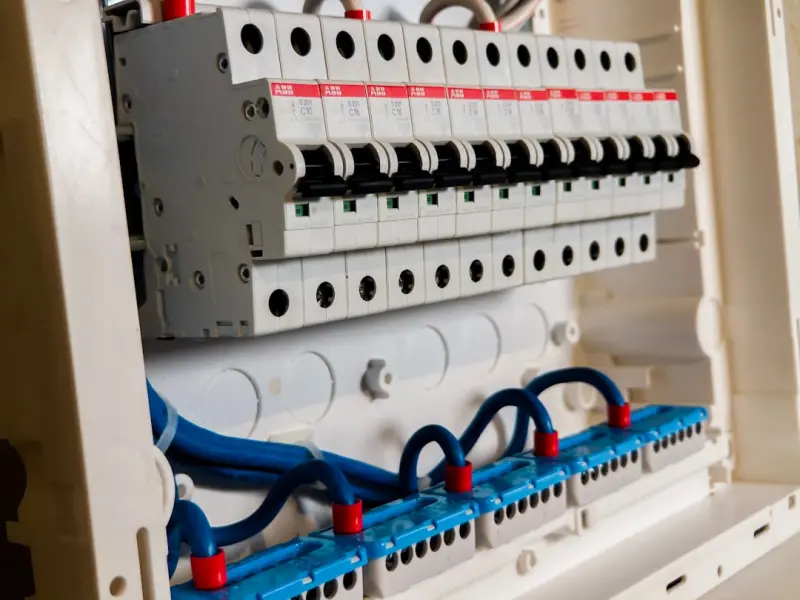
Powering the Future Home: Adaptive Electrical Panels and On‑Demand Energy Management
Adaptive electrical panels transform traditional breaker boxes into intelligent energy managers, ena... Read More
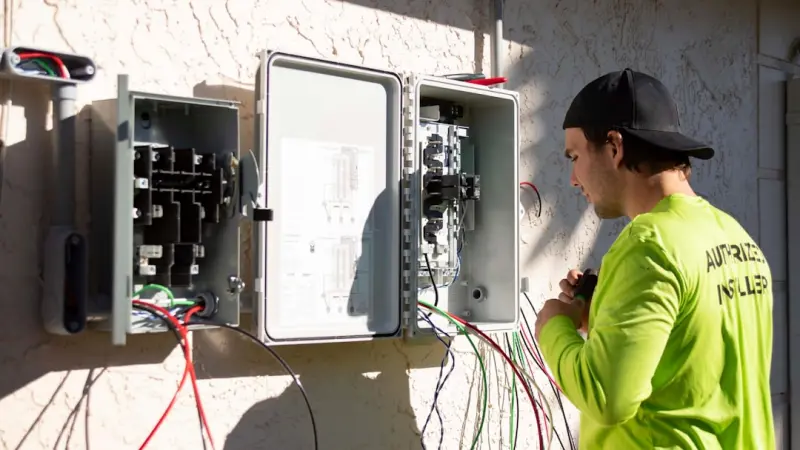
Modular Electrical Distribution: Building Agile Power for Modern Workplaces
A deep dive into modular electrical distribution, exploring its components, benefits, real‑world a... Read More

Digital Twins Transform Building Electrical Systems
Digital twins turn static electrical schematics into live, data‑rich replicas that predict failure... Read More
Top Posts

How Waterproofing is Becoming the Silent Powerhouse of Building Resilience
Waterproofing is evolving from a reactive afterthought to a proactive, data‑driven strategy that protects assets, cuts energy use, and supports sustainable bu...Read More

The Hidden Power of Insulation: Comfort, Health, and Future‑Proofing Your Home
Explore insulation beyond temperature control—learn about acoustic benefits, eco‑friendly options, smart tech, and DIY strategies to future‑proof your hom...Read More

When Your Alarm Becomes a Home Assistant: Redefining Safety in the Connected Era
A deep dive into how edge AI, integrated smart devices, and community data sharing are transforming traditional home alarms into proactive, privacy‑first comp...Read More

Masonry’s Quiet Revolution: Sustainable Strength for Modern Homes
Discover why masonry’s thermal mass, fire resilience, and eco‑friendly sourcing make it the perfect foundation for durable, sustainable homes in today’s c...Read More
0 Comments
Post Comment
You will need to Login or Register to comment on this post!