
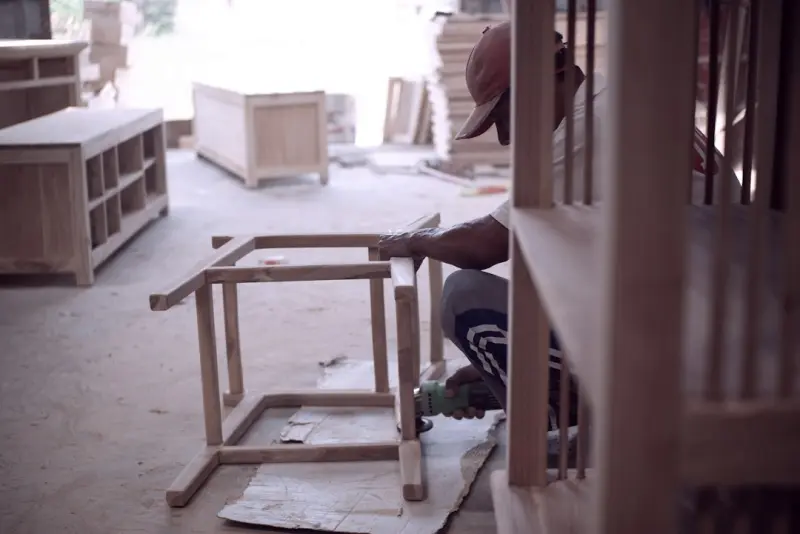
Why Restoration Matters More Than Ever
In a world that churns out disposable décor at breakneck speed, the act of restoring a worn‑out armchair or a battered dining table feels almost revolutionary. It’s a quiet rebellion against the throw‑away culture, a chance to reclaim history, and a way to embed personal narratives into the very grain of wood. For me, every piece of furniture carries a story waiting to be retold, and the restoration process is the dialogue that bridges past and present.
The Narrative Approach: Turning Objects into Storytellers
Most restoration guides focus on technique—how to strip, sand, and refinish. While those skills are essential, they often overlook the why. I treat each project as a chapter in a larger book, asking questions that shape the outcome:
- Who built this piece, and what did it witness?
- What materials were originally used, and why?
- How can modern needs be woven into its old‑world charm?
Answering these questions transforms a simple repair into a purposeful design decision. For instance, a mid‑century walnut desk may have served a writer’s desk in a cramped attic. Preserving the original desk height respects its ergonomics, while adding discreet cable channels acknowledges today’s digital workflow.
Materials and Methods: Marrying Tradition with Innovation
Traditional woodworking techniques—hand‑planing, dovetail joinery, shellac finishing—remain at the heart of any authentic restoration. Yet, I’ve found that blending in carefully selected modern materials can enhance durability without compromising character.
Here are a few methods I regularly employ:
- Selective Reinforcement: When a mortise‑and‑tenon joint shows fatigue, I splice in a hidden stainless‑steel dowel. It offers strength while staying invisible to the eye.
- Eco‑Friendly Finishes: Plant‑based oils and low‑VOC polyurethane give a protective layer without the harsh odors of solvent‑based products.
- Digital Color Matching: Using a spectrophotometer, I capture the exact hue of aged walnut and recreate it with modern pigments, ensuring a seamless blend between old and new surfaces.
Integrating Modern Technology Without Losing Soul
Technology can feel like an intruder in a historic piece, but when used thoughtfully, it amplifies the restoration’s longevity. A recent project involved a Victorian sideboard that needed hidden power for an embedded charging station. I routed a thin, flexible conduit behind the back panel, preserving the exterior’s integrity while giving the owner a discreet modern amenity.
For inspiration on how to embed contemporary upgrades while honoring architectural intent, check out the Flexibility Into Every Wall guide. Though it tackles whole‑home upgrades, the principles of hidden infrastructure and adaptable design translate directly to furniture restoration.
Sustainability and Economics: The Hidden ROI
Beyond aesthetics, restoring furniture makes sound economic and environmental sense. According to the EPA, the average wooden chair emits roughly 10 kg of CO₂ during production. Extending its life by ten years cuts that impact dramatically. Moreover, a well‑restored heirloom can command a premium resale price—sometimes triple the cost of a brand‑new replica.
When budgeting, I advise clients to consider the “true cost” of replacement: material acquisition, manufacturing energy, transportation, and eventual waste disposal. In many cases, a modest investment in skilled labor and high‑quality finishes yields a return that far exceeds the initial outlay.
Case Studies: From Forgotten to Featured
1. The Library Ladder – A wrought‑iron ladder from a 1920s public library had rusted beyond simple sanding. I stripped the corrosion, treated the metal with a rust‑inhibiting primer, and applied a matte black powder coat. The ladder now serves as a striking accent in a modern loft, preserving its industrial narrative while meeting current safety standards.
2. The Farmhouse Table – A 12‑foot pine table bore countless scars from decades of family meals. Instead of sanding away its patina, I employed a technique called “selective distressing.” I lifted the finish only around the most worn areas, allowing the natural wear to become a design feature. A subtle, oil‑based finish was then applied to protect the wood while keeping the lived‑in feel.
3. The Art Deco Credenza – This piece suffered from a broken veneer panel. I sourced reclaimed veneer from a similar era, matched the grain pattern, and used a reversible adhesive that aligns with conservation standards. The result is a seamless repair that honors the original craftsmanship without compromising future restoration options.
Getting Started: A Practical Checklist for the Aspiring Restorer
Whether you’re a seasoned carpenter or a curious hobbyist, the following checklist helps you approach a restoration project with confidence:
- Assess the Piece – Document its condition with photographs, note any structural damage, and research its historical context.
- Plan the Narrative – Decide what story you want the piece to tell. Will you preserve its original function, or adapt it for a new purpose?
- Gather Materials – Choose finishes, adhesives, and reinforcement hardware that align with both the piece’s era and your sustainability goals.
- Test on a Small Area – Before applying any finish or stain, conduct a patch test to ensure color match and compatibility.
- Execute with Care – Follow a logical sequence: structural repairs first, surface preparation second, finishing last.
- Integrate Modern Touches (Optional) – If you’re adding technology, hide cables and power sources to maintain the piece’s aesthetic purity.
- Document the Process – Keep a log of materials used, techniques applied, and before/after photos. This record becomes part of the piece’s evolving story.
Community and Continuing Education
Restoration is as much a communal craft as it is an individual pursuit. I regularly attend workshops where seasoned conservators share insights on topics ranging from Japanese lacquer restoration to 3‑D scanning of intricate carvings. Engaging with these communities not only sharpens your skill set but also expands the narrative possibilities you can offer clients.
For broader inspiration on reimagining existing structures, explore the Blueprint for Adaptive Reuse. The principles of repurposing entire buildings echo the same respect for material history that underpins furniture restoration.
Conclusion: Crafting Legacy One Piece at a Time
Furniture restoration is more than a hobby; it’s a stewardship of memory, an exercise in sustainable design, and a platform for creative expression. By treating each piece as a narrative vessel, we honor its past while equipping it for the future. Whether you’re breathing new life into a beloved family heirloom or giving a thrift‑store find a second chapter, remember that the true value lies not just in the surface polish but in the story you help it continue to tell.

David MacKinnon is a dynamic freelance writer known for his captivating storytelling and keen insights into the world of technology. With a passion for exploring the intersection of innovation and everyday life, he crafts engaging narratives that not only inform but also inspire his readers.
Related Posts

Reviving the Past: A Modern Craftsman's Guide to Furniture Restoration
Discover a hands‑on, modern approach to furniture restoration that blends traditional craftsmanshi... Read More

Breathing New Life into Vintage Furniture: A Hands‑On Journey
Explore a step‑by‑step restoration process that blends history, sustainability, and modern desig... Read More
Reviving Vintage Office Furniture: A Competitive Advantage
Restoring vintage office furniture isn’t just about saving money—it strengthens brand narrative,... Read More
Top Posts

The Silent Threat: A Data‑Driven Playbook for Mold Eradication
A comprehensive guide to using real‑time monitoring, moisture mapping, and sustainable remediation to turn mold from a hidden danger into a manageable compone...Read More
The Sensory Branding Power of Carpet Cleaning: How Scent and Shine Influence Workplace Culture
A clean, subtly scented carpet does more than look good—it reinforces brand values, improves morale, and becomes a strategic touchpoint in any workplace....Read More
Upcycling Tiles: Turning Breakage into Bold Design
Learn practical steps, creative ideas, and cost‑saving tips for turning broken or surplus tiles into beautiful mosaics, backsplashes, and custom surfaces—tu...Read More

Crafting Sustainable Pathways: A Personal Journey into Modern Paving
Explore a fresh take on paving with sustainable materials, artistic patterns, and practical tips that turn any walkway into a lasting, eco‑friendly masterpiec...Read More
0 Comments
Post Comment
You will need to Login or Register to comment on this post!