
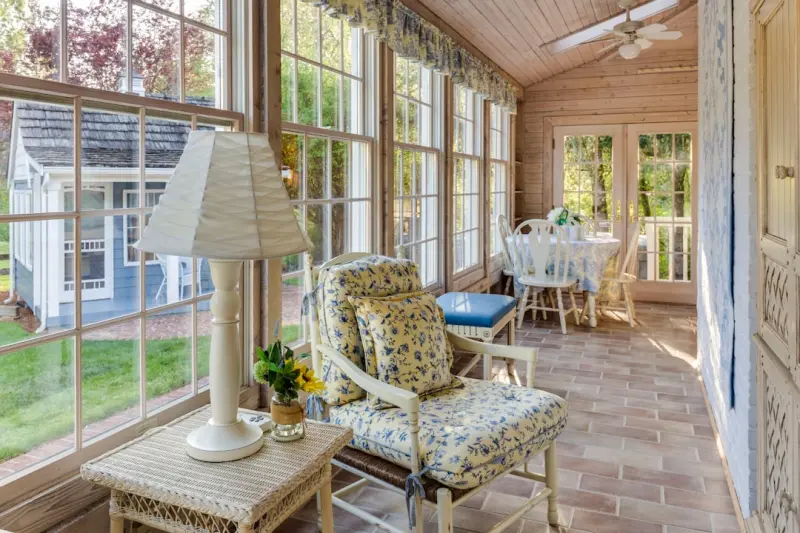
Why a Sunroom Is More Than a Glass Box
When I first added a sunroom to my home, I imagined a simple patio enclosure, but the experience quickly unfolded into a lesson about how light, heat, and airflow can transform a modest addition into a living‑room‑worthy sanctuary. Sunrooms, when thoughtfully designed, become seasonal extensions that amplify well‑being by inviting nature inside without sacrificing comfort. My journey taught me that the real magic lies in treating the sunroom as a climate‑responsive zone rather than a static greenhouse, and that mindset reshapes every decision from site placement to material selection.
Mastering Orientation for Natural Heating and Cooling
The orientation of a sunroom dictates how much solar gain it captures in winter and how much shading it needs in summer, making it the cornerstone of energy‑efficient design. By positioning the majority of glazing toward the true south (or north in the Southern Hemisphere) and incorporating overhangs calibrated to the sun’s angle, you can harvest passive heat when temperatures dip and reject excess warmth when they climb. I spent weeks mapping the sun’s path across my property, using simple tools like a solar compass, and the resulting data guided the precise angle of my eaves, turning the sunroom into a self‑regulating microclimate.
Choosing High‑Performance Glazing to Balance Light and Insulation
Modern low‑emissivity (low‑e) glass and insulated glazing units (IGUs) have closed the gap between panoramic views and thermal performance, allowing you to keep the sunroom bright without sacrificing energy efficiency. A double‑pane low‑e coating reflects infrared heat back into the room during winter while minimizing solar heat gain in summer, and adding a warm‑edge spacer reduces condensation risk at the edges. I opted for a triple‑pane option in the coldest corner of my home, accepting a modest upfront cost for the long‑term savings reflected in lower heating bills and a more comfortable indoor environment.
Integrating Smart Home Controls for Seamless Comfort
Today’s smart thermostats and sensor‑driven vents make it possible to treat a sunroom as an independent climate zone without the hassle of separate ductwork. By linking the sunroom’s HVAC loop to Zoning Your HVAC, you can program temperature setpoints that react to real‑time sunlight intensity, occupancy, and even outdoor wind speed. I installed a wireless temperature sensor on the glazing frame and paired it with a smart vent controller, allowing the system to automatically close vents when the sunroom overheats, preserving energy while keeping the space inviting.
Biophilic Design: Turning the Sunroom Into an Indoor Garden
Integrating plants into a sunroom does more than add greenery; it creates a biophilic experience that improves air quality, reduces stress, and boosts productivity. I chose a mix of shade‑tolerant foliage for the lower‑light corners and sun‑loving herbs along the windowsills, arranging them in modular, self‑watering planters that double as decorative accents. For those seeking deeper immersion, a vertical garden wall made from reclaimed wood adds texture and a living art piece, while also acting as an extra layer of insulation. To explore broader concepts of nature‑centric architecture, see our discussion on Adaptive Biophilic Architecture.
Acoustic Considerations: Making the Sunroom Quietly Comfortable
Glass surfaces can amplify external noise, turning a sunroom into a echo chamber if not addressed properly. I tackled this by installing acoustic‑grade curtains that can be drawn at night to mute street sounds, and by lining the ceiling with a thin layer of acoustic insulation beneath the drywall. Additionally, I placed strategically positioned rugs and upholstered furniture to absorb reverberations, creating a balanced sound environment that feels both open and intimate. The result is a space where you can enjoy a morning coffee while the world outside remains at a gentle hum rather than a roar.
Multi‑Use Flexibility: From Home Office to Yoga Studio
One of the most rewarding aspects of a well‑designed sunroom is its ability to morph to suit varying activities throughout the year. In the cooler months, I use the space as a bright home office, benefitting from natural light that reduces eye strain and boosts focus. Come spring, the same area transforms into a yoga studio, with floor‑to‑ceiling windows providing a seamless connection to the garden, while a built‑in storage bench houses mats and props. By selecting lightweight, movable furniture and integrating power outlets into the flooring, the transition between functions becomes effortless, encouraging you to fully utilize the space.
Eco‑Friendly Materials and Water Management
Choosing sustainable building materials and incorporating water‑wise features can turn a sunroom into a low‑impact addition that pays dividends in both environmental stewardship and operating costs. I sourced reclaimed timber for the framing and used low‑VOC finishes to ensure indoor air quality remained high. For rainwater capture, I connected the roof’s gutter system to a small storage tank, enabling me to water the indoor plants without relying on municipal supply. The same approach is detailed in our guide on Smart Gutter Strategies, which outlines how to convert runoff into a valuable resource.
Final Thoughts: Your Sunroom as a Year‑Round Retreat
Designing a sunroom that thrives in every season requires a blend of scientific precision, smart technology, and personal style, but the payoff is a versatile sanctuary that nurtures both body and mind. By paying careful attention to orientation, glazing, smart controls, acoustic treatment, and sustainable materials, you can craft a space that feels like an indoor garden in summer, a cozy nook in winter, and a flexible venue for work, exercise, or entertainment year‑round. I hope my hands‑on experience inspires you to view the sunroom not just as an aesthetic addition, but as a dynamic, health‑enhancing extension of your home.

Lifan Chen is a freelancer based in Toronto specializing in marketing. With expertise in crafting effective marketing strategies and campaigns, Lifan helps businesses grow their brand presence and reach target audiences. As a Toronto-based freelancer, Lifan combines local market insights with creative marketing skills to deliver tailored solutions for clients.
Related Posts
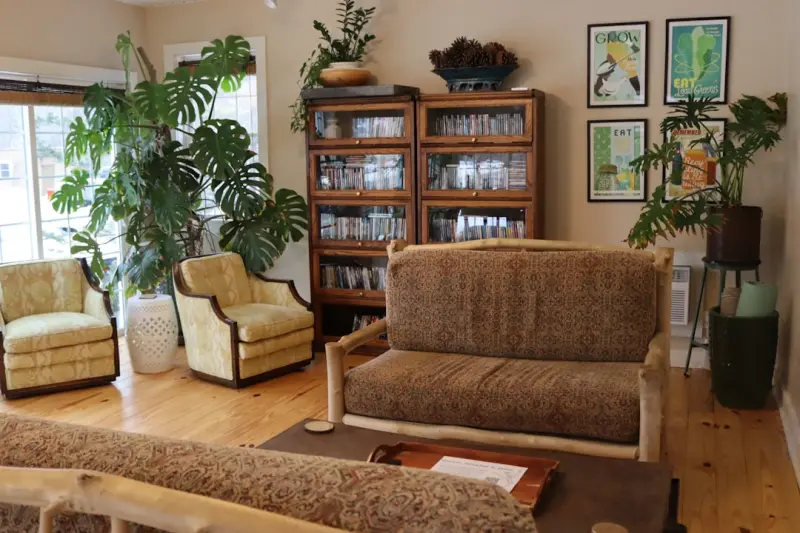
Transforming Your Home with a Sunroom: Comfort, Design, and Smart Living
Explore the modern sunroom’s blend of natural light, smart tech, and sustainable design to create ... Read More

Rethinking the Sunroom: From Passive Nook to Adaptive Smart Hub
Explore how to upgrade a traditional sunroom into a multi‑purpose smart hub, balancing work, welln... Read More
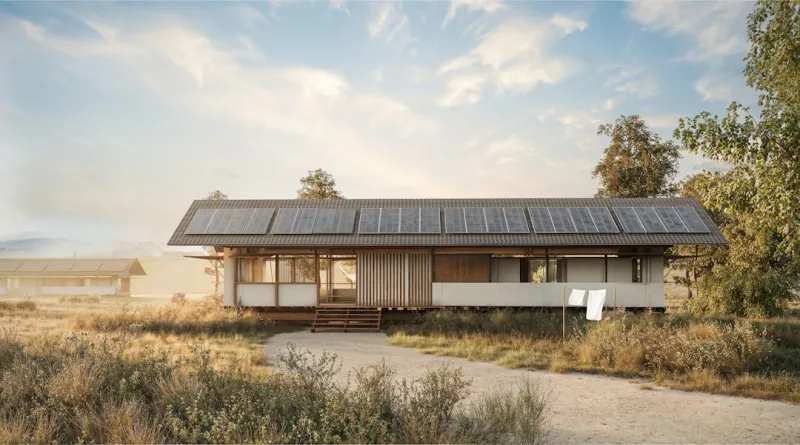
The Rise of Sunrooms: A Sustainable Solution for Modern Homes
Sunrooms are a sustainable solution for modern homes, providing a bright and airy space to relax and... Read More
Top Posts
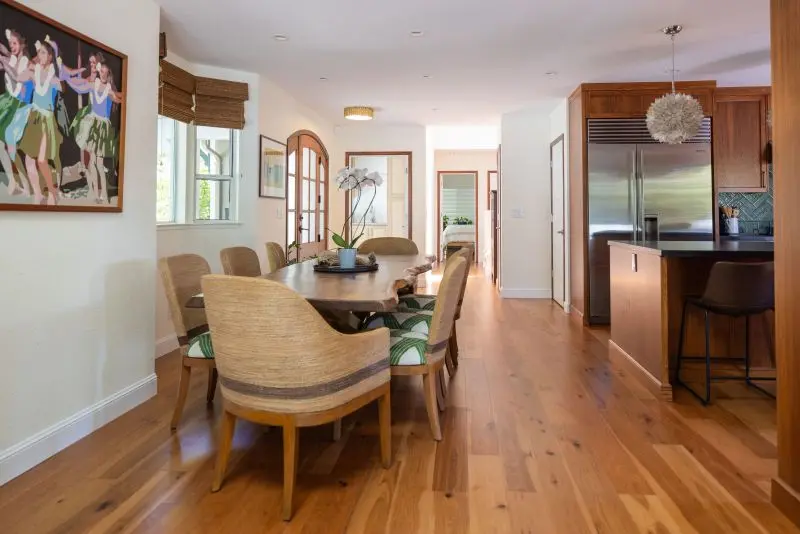
Quiet Floors, Happy Ears: Mastering Acoustic Design in Every Room
Explore the hidden power of flooring to control sound, from eco‑friendly materials to smart installation methods, and create a quieter, more inviting home....Read More

The Silent Menace: A Comprehensive Guide to Mold Removal and Prevention
Mold is a silent threat to your home and health. This guide from Lifan Chen breaks down everything from identification and safe removal techniques to essential ...Read More
Designing an Aging‑In‑Place Bathroom That Grows With You
Discover practical, budget‑friendly strategies for designing an aging‑in‑place bathroom that balances safety, style, and smart technology....Read More

Why Proactive Foundation Repair Is the Unsung Competitive Advantage for Commercial Properties
A deep dive into why treating foundation health as a strategic asset can cut costs, improve tenant satisfaction, and enhance ESG performance, complete with a st...Read More
0 Comments
Post Comment
You will need to Login or Register to comment on this post!