
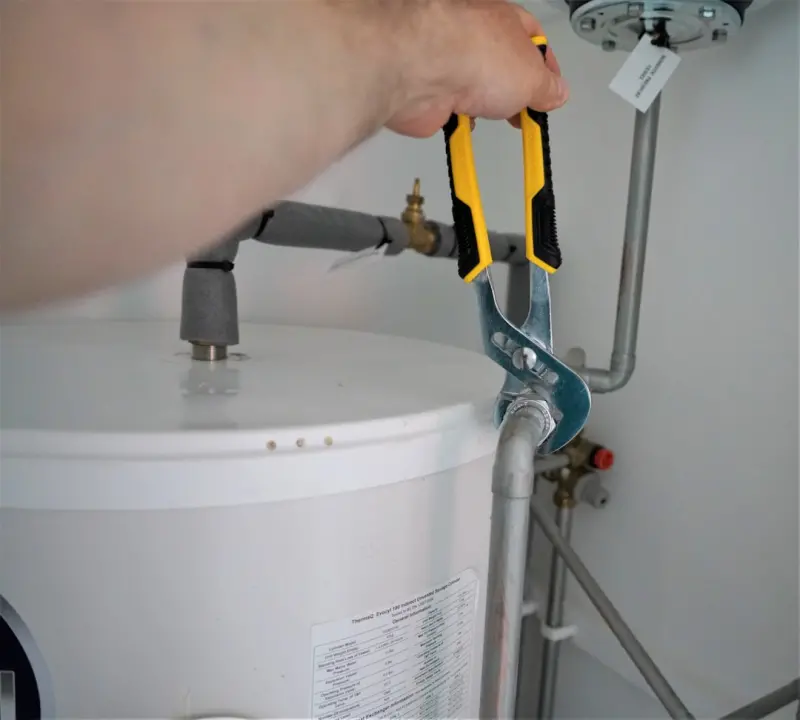
From the Pipe Dream to Reality: How Data‑Driven Plumbing is Redefining Building Performance
When I first walked onto a construction site fresh out of trade school, the most exciting thing about a wall was the sound of water rushing through copper. It was raw, visceral, and, frankly, a bit chaotic. Decades later, after countless nights troubleshooting burst mains and battling mineral‑laden fixtures, I’ve learned that the humble pipe can be as smart as any piece of office furniture or lighting system.
In today’s commercial and residential projects, plumbing is no longer a hidden, reactive system that you only think about when a faucet drips. It’s an information conduit that, when paired with the right sensors and analytics, can tell you exactly how a building breathes, how occupants behave, and where the next cost‑saving opportunity hides.
Why the Old “Set It and Forget It” Model is Crumbling
For generations, plumbing was designed with a single metric in mind: deliver water reliably. The engineering mantra was “oversize and over‑spec” to avoid failures. That approach worked when water was cheap, energy costs were low, and the environmental impact of waste was a footnote.
Fast forward to the present, and three forces are reshaping expectations:
- Rising utility rates – Every gallon that leaks or every hour a boiler runs inefficiently directly hits the bottom line.
- Regulatory pressure – Water conservation codes now demand real‑time reporting and measurable reductions.
- Occupant wellness – People are hyper‑aware of water quality, temperature stability, and even the acoustic footprint of plumbing.
If you continue to treat plumbing as a static utility, you’ll miss out on the strategic advantage that data can provide. The question is: how do we turn a network of pipes into a proactive asset?
Enter the Smart Plumbing Stack
Think of a modern plumbing system as a three‑layer stack:
- Physical Layer – Pipes, valves, fixtures, and pumps. This is the hardware you can touch.
- Digital Layer – Sensors, flow meters, pressure transducers, and smart actuators that feed data into the cloud.
- Intelligence Layer – Algorithms, dashboards, and alerting mechanisms that turn raw numbers into actionable insights.
When these layers communicate seamlessly, you get capabilities that were once science‑fiction:
- Predictive Leak Detection – Spot a 0.1 % pressure drop before a pipe bursts.
- Dynamic Water Re‑circulation – Adjust recirculation loops on the fly to keep hot water ready without wasting heat.
- Quality‑First Water Management – Real‑time monitoring of pH, chlorine, and turbidity to ensure safe, great‑tasting water.
Case Study: Retrofitting an Office Tower with Intelligent Leak Sensors
Last quarter I consulted on a 22‑story office building that had experienced three costly water main failures in the past five years. The owners were skeptical about adding “more tech” to an already complex system, but the potential savings spoke louder than any fear of complexity.
We installed smart flow meters at each vertical riser, coupled with ultrasonic pressure sensors at critical junctions. The data streamed into a cloud‑based dashboard that visualized flow patterns, pressure anomalies, and temperature gradients across the entire building.
Within the first month, the system flagged a subtle pressure dip in a riser serving the 12th floor cafeteria. A quick visual inspection revealed a corroded joint that, left unchecked, would have caused a flood in the ceiling of the adjacent conference rooms. The repair cost was a fraction of the $120,000 the owners would have spent on water damage and downtime.
Beyond leak detection, the platform also identified that the building’s hot‑water recirculation pump was running continuously, heating water that never left the pipes. By integrating a demand‑responsive control strategy, we reduced the pump’s runtime by 40 %, cutting the building’s energy bill by roughly $15,000 annually.
Water Quality as a Competitive Edge
Many businesses overlook water quality as a brand differentiator, but the reality is stark: a single complaint about “odd taste” or “cloudy water” can erode trust. Smart water quality sensors now offer continuous monitoring of parameters like:
- pH and alkalinity – critical for preventing pipe scaling.
- Residual chlorine – ensures disinfection without over‑chlorination.
- Conductivity – flags potential contamination from cross‑connections.
When this data is visualized on a public-facing dashboard, it becomes a transparent proof point of a company’s commitment to health and sustainability. Imagine a boutique hotel displaying live water‑quality stats in the lobby; guests instantly perceive an added layer of care.
The Role of Energy Audits in Plumbing Optimization
Just as an energy inspection can uncover hidden inefficiencies in HVAC, it can also surface waste in plumbing. Traditional audits often skip over hot‑water distribution because it’s assumed to be “just a pipe.” In reality, the thermal losses in a 30‑meter run of uninsulated pipe can equal the energy consumption of a small office.
During an audit, we employ infrared thermography to pinpoint heat loss zones, then calculate the payback of adding pipe insulation or heat‑recovery loops. In one recent retrofit, adding 25 mm pipe insulation on a 12‑meter hot‑water loop reduced heat loss by 22 % and saved the client $8,000 per year.
Integrating Plumbing Data with Facility Management Platforms
Data silos are the enemy of efficiency. Modern building management systems (BMS) can ingest plumbing telemetry alongside HVAC, lighting, and security streams. When all these signals converge, facility managers gain a holistic view of building health.
For instance, a spike in hot‑water demand combined with a rise in ambient temperature could trigger an automatic adjustment of boiler setpoints, preventing overshooting and unnecessary fuel consumption. Conversely, a sudden drop in pressure during off‑peak hours may indicate a leak, prompting an immediate work order before it escalates.
Overcoming Common Barriers to Smart Plumbing Adoption
Despite the clear benefits, many owners hesitate. Here are three typical roadblocks and how to navigate them:
- Perceived Cost – While sensor hardware adds upfront expense, the ROI from leak prevention and energy savings typically pays for itself within 12‑24 months.
- Complexity Fear – Partner with a vendor that offers plug‑and‑play modules and a managed service layer that handles data aggregation and alert configuration.
- Data Overload – Start with a few key performance indicators (KPIs) such as total water consumption, pressure stability, and hot‑water temperature variance. Expand as confidence grows.
Future‑Proofing: What’s Next for Plumbing?
The next frontier is AI‑driven optimization. Machine‑learning models can predict occupancy patterns, weather‑influenced hot‑water demand, and even the likelihood of pipe corrosion based on water chemistry trends. By feeding these predictions back into control loops, buildings can operate at peak efficiency with minimal human intervention.
Another exciting development is peer‑to‑peer water sharing in dense urban districts. Buildings equipped with smart meters could trade surplus hot water or grey‑water for cooling loads, creating a micro‑grid of water resources that mirrors the electric micro‑grid revolution.
Practical Steps for Plumbing Professionals
If you’re a plumber, engineer, or facilities manager looking to dip a toe into smart plumbing, consider the following roadmap:
- Audit Your Existing System – Identify high‑risk zones (old copper risers, exposed pipes, high‑traffic fixtures).
- Select Scalable Sensors – Choose devices that support open protocols (e.g., MQTT, BACnet) for easier integration.
- Deploy Incrementally – Start with a pilot on a single floor or a critical riser; refine alerts and workflows before scaling.
- Leverage Cloud Dashboards – Use platforms that offer customizable visualizations and mobile notifications.
- Partner with Analytics Experts – Data is only as good as the insights you extract. Collaboration with data scientists can turn raw numbers into strategic actions.
Remember, the goal isn’t to replace the skilled hands that have kept water flowing for centuries, but to augment them with intelligence that makes every drop count.
Conclusion: From Reactive Repairs to Proactive Resilience
Plumbing has always been about moving water from point A to point B. Today, it’s about moving data from pipe to platform, and using that data to safeguard assets, lower costs, and elevate occupant experience. When you look at a pipe, see not just a conduit, but a sensor‑rich lifeline, you unlock a new dimension of building performance.
In my own practice, the most rewarding projects are those where a simple ultrasonic sensor prevented a million‑dollar flood, or where a real‑time quality dashboard turned a coffee‑shop’s water taste into a marketing story. Those are the moments where plumbing steps out of the shadows and onto the stage of strategic decision‑making.
So the next time you hear a drip, don’t just reach for a wrench—ask yourself: What is this pipe trying to tell me? The answer could be the key to a more sustainable, resilient, and profitable future for any building.

Lifan Chen is a freelancer based in Toronto specializing in marketing. With expertise in crafting effective marketing strategies and campaigns, Lifan helps businesses grow their brand presence and reach target audiences. As a Toronto-based freelancer, Lifan combines local market insights with creative marketing skills to deliver tailored solutions for clients.
Related Posts

The Intersection of Plumbing and Sustainable Home Restoration
Plumbing plays a critical role in sustainable home restoration. Learn how to adopt eco-friendly plum... Read More

Why Your Pipes Need a Sustainable Overhaul
A veteran contractor shares practical, sustainable plumbing upgrades—from leak detection to smart ... Read More
Future‑Proof Your Home’s Plumbing: Smart, Sustainable, and Leak‑Free
Learn the essential upgrades, tools, and habits that turn ordinary plumbing into a smart, eco‑frie... Read More
Top Posts

Strategic Paint Choices that Transform Your Home
Learn how strategic paint selections—from color psychology to eco‑friendly finishes—can reshape rooms, boost home value, and create lasting, healthy inter...Read More

Creating Eco-Friendly Outdoor Spaces: Sustainable Sheds and Gazebos
Learn how to create eco-friendly outdoor spaces with sustainable sheds and gazebos, reducing your environmental impact while enjoying a peaceful retreat....Read More

Tunable Window Treatments: Turning Light Into a Strategic Asset
Discover why dynamic, data‑driven window treatments are reshaping workplaces, delivering glare control, energy savings, and enhanced occupant comfort—all wh...Read More

Securing Your Sanctuary: The Ultimate Guide to Home Alarm Systems
Learn how to secure your home and loved ones with a reliable home alarm system. Discover the benefits, features, and tips for selecting the right system for you...Read More
0 Comments
Post Comment
You will need to Login or Register to comment on this post!