
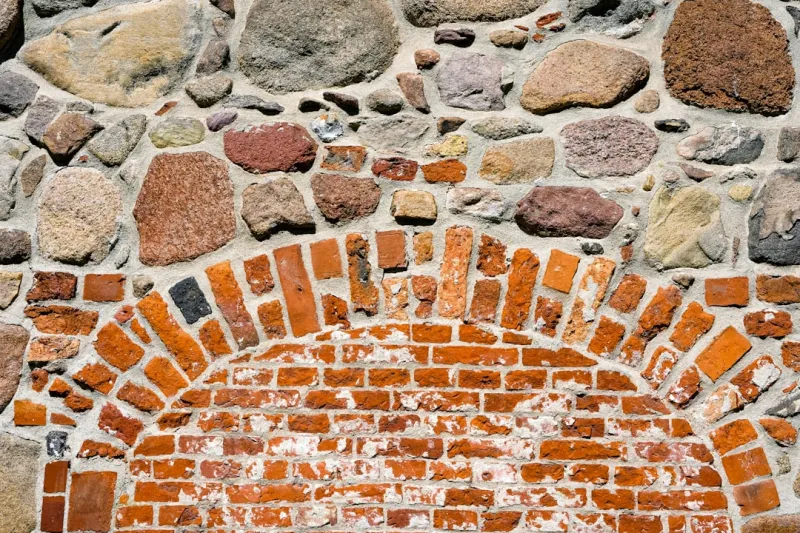
The Evolution of Sustainable Masonry: A Comprehensive Guide
The construction industry has undergone significant changes in recent years, with a growing emphasis on sustainability and eco-friendliness. One area that has seen a substantial transformation is masonry, a traditional building technique that has been around for centuries. In this article, we will explore the evolution of sustainable masonry, its benefits, and the various techniques and materials used in this field.
Sustainable masonry is an approach to building design and construction that prioritizes environmental sustainability, social responsibility, and economic viability. This approach considers the entire lifecycle of a building, from the extraction of raw materials to the end-of-life disposal or recycling of materials. Sustainable masonry aims to minimize the environmental impact of buildings while providing safe, healthy, and productive spaces for occupants.
History of Sustainable Masonry
The concept of sustainable masonry is not new. In fact, traditional masonry techniques have always been based on locally sourced materials, such as stone, clay, and sand. These materials were often abundant, durable, and required minimal processing. However, with the advent of industrialization and the development of new materials, masonry techniques began to shift towards more energy-intensive and resource-intensive methods.
In recent years, there has been a renewed interest in sustainable masonry practices, driven in part by the growing awareness of climate change and the need to reduce greenhouse gas emissions. This shift has led to the development of new materials, techniques, and technologies that prioritize sustainability and eco-friendliness.
Benefits of Sustainable Masonry
Sustainable masonry offers numerous benefits, including:
- Reduced environmental impact: Sustainable masonry techniques and materials minimize waste, reduce energy consumption, and promote the use of locally sourced materials.
- Improved energy efficiency: Sustainable masonry buildings are designed to maximize natural light and ventilation, reducing the need for artificial lighting and heating and cooling systems.
- Increased durability: Sustainable masonry materials and techniques are designed to last longer, reducing the need for repairs and replacements.
- Enhanced occupant health: Sustainable masonry buildings promote indoor air quality, natural light, and thermal comfort, creating healthier and more productive spaces for occupants.
Sustainable Masonry Materials
A wide range of materials can be used in sustainable masonry, including:
- Recycled materials: Recycled materials, such as reclaimed brick, concrete, and glass, can be used to reduce waste and minimize the demand for virgin materials.
- Locally sourced materials: Locally sourced materials, such as stone, clay, and sand, reduce transportation costs and support local economies.
- Low-carbon materials: Low-carbon materials, such as sustainable flooring, can help reduce greenhouse gas emissions.
Sustainable Masonry Techniques
Sustainable masonry techniques prioritize energy efficiency, waste reduction, and environmental sustainability. Some common techniques include:
- Passive solar design: Passive solar design involves designing buildings to maximize natural light and heat, reducing the need for artificial lighting and heating systems.
- Insulated concrete forms: Insulated concrete forms (ICFs) are made from recycled materials and provide excellent insulation, reducing energy consumption and greenhouse gas emissions.
- Structural insulated panels: Structural insulated panels (SIPs) are made from recycled materials and provide excellent insulation, reducing energy consumption and greenhouse gas emissions.
Case Studies
Several case studies demonstrate the effectiveness of sustainable masonry techniques and materials. For example, the use of sustainable gutter systems can help reduce stormwater runoff and promote water conservation. Similarly, sustainable kitchen renovations can promote energy efficiency and reduce waste.
Challenges and Future Directions
Despite the many benefits of sustainable masonry, there are several challenges and future directions that need to be addressed. These include:
- Cost and affordability: Sustainable masonry materials and techniques can be more expensive than traditional methods, making them inaccessible to some builders and homeowners.
- Regulatory frameworks: Regulatory frameworks and building codes often prioritize traditional building methods, making it difficult for sustainable masonry techniques to gain traction.
- Education and training: There is a need for education and training programs to help builders, architects, and engineers understand the benefits and techniques of sustainable masonry.
Conclusion
Sustainable masonry is an evolving field that offers numerous benefits, including reduced environmental impact, improved energy efficiency, and enhanced occupant health. By prioritizing locally sourced materials, reducing waste, and promoting energy efficiency, sustainable masonry techniques and materials can help create a more sustainable built environment. As the construction industry continues to evolve, it is likely that sustainable masonry will play an increasingly important role in shaping the future of building design and construction.
Recommendations for Homeowners and Builders
For homeowners and builders looking to adopt sustainable masonry practices, several recommendations can be made:
- Conduct a thorough assessment: Conduct a thorough assessment of the building site and existing conditions to identify opportunities for sustainable masonry techniques and materials.
- Choose locally sourced materials: Choose locally sourced materials to reduce transportation costs and support local economies.
- Prioritize energy efficiency: Prioritize energy efficiency by designing buildings to maximize natural light and ventilation, and by using materials and techniques that provide excellent insulation.
By following these recommendations and staying up-to-date with the latest developments in sustainable masonry, homeowners and builders can create buildings that are not only sustainable but also safe, healthy, and productive spaces for occupants.
Future of Sustainable Masonry
The future of sustainable masonry is promising, with ongoing research and development of new materials, techniques, and technologies. Some areas of research include:
- Advanced materials: Researchers are exploring the development of advanced materials, such as self-healing concrete and sustainable cement, that can help reduce the environmental impact of buildings.
- Building information modeling: Building information modeling (BIM) can help architects, engineers, and builders design and construct buildings more efficiently, reducing waste and improving energy efficiency.
- Net-zero energy buildings: Net-zero energy buildings aim to produce as much energy as they consume, reducing greenhouse gas emissions and promoting sustainability.
As the construction industry continues to evolve, it is likely that sustainable masonry will play an increasingly important role in shaping the future of building design and construction.

Lifan Chen is a freelancer based in Toronto specializing in marketing. With expertise in crafting effective marketing strategies and campaigns, Lifan helps businesses grow their brand presence and reach target audiences. As a Toronto-based freelancer, Lifan combines local market insights with creative marketing skills to deliver tailored solutions for clients.
Related Posts
Reclaimed Brick Renaissance: Turning Old Walls into Fresh Design Statements
Explore the art of integrating reclaimed brick into contemporary spaces, balancing historic charm wi... Read More
Reimagining Masonry: Smart, Sustainable, and Resilient
Discover how to combine age‑old brickcraft with modern sensors, breathable insulation, and AI-driv... Read More
Building with Brick and Vision: Sustainable Masonry Trends
Discover how modern masonry blends reclaimed materials, design‑build integration, and smart mainte... Read More
Top Posts
The Future of Countertops: Sustainable Materials and Designs
Explore the world of sustainable countertops and learn how to create a greener home with eco-friendly materials and design principles....Read More
Why Your Countertop Edge Matters More Than You Think
Explore the hidden benefits of countertop edge designs, from ergonomic comfort and hidden storage to resale impact and eco‑friendly material pairings....Read More

Unlocking Speed and Sustainability: A New Take on Construction Permits
A fresh perspective on construction permits shows how digital tools, data insights, and green standards can cut delays, lower costs, and boost project success....Read More

The Critical Role of Sustainable Practices in Home Inspections: A Comprehensive Guide
A comprehensive home inspection should consider sustainable practices, energy efficiency, and environmental impact. Learn how sustainable home inspections can b...Read More
0 Comments
Post Comment
You will need to Login or Register to comment on this post!