
Why General Contractors Need a New Playbook for the Next Decade
For decades, the general contractor’s handbook has been a static collection of blueprints, material take‑offs, and punch‑list checklists. Those tools still matter, but the market is shifting under our boots. Clients now demand faster timelines, tighter budgets, and transparent, data‑driven insights into every phase of a build. Meanwhile, supply‑chain volatility, labor shortages, and regulatory pressure are forcing us to rethink how we plan, execute, and communicate. In this environment, the old “hard‑hat‑only” mindset is no longer enough. It’s time to adopt an adaptive project management framework that blends modular construction, digital twins, and real‑time analytics into a single, cohesive workflow.
Modular Construction: The Secret Weapon for Speed and Predictability
Modular construction isn’t a niche trend limited to hotels or student housing—it’s a strategic advantage for any contractor who wants to shave weeks off a schedule without compromising quality. By fabricating building components in a controlled factory environment, you eliminate many of the variables that cause on‑site delays: weather, material inconsistencies, and labor bottlenecks. The result is a predictable, repeatable process that can be scaled across projects of varying sizes.
Implementing modular methods does require a shift in mindset. Instead of viewing the job site as the primary production hub, you treat the factory as the heart of construction and the site as an assembly line. This requires tighter coordination with off‑site partners, robust logistics planning, and a willingness to invest in design for manufacture (DFM) early in the pre‑construction phase. The payoff is a dramatic reduction in on‑site waste, a safer work environment, and a compelling value proposition you can sell to owners looking for “fast‑track” delivery.
Digital Twins: Turning Blueprints Into Living, Breathing Models
A digital twin is more than a 3D model; it’s a data‑rich replica of a building that updates in real time as construction progresses. By integrating IoT sensors, BIM (Building Information Modeling), and project management software, contractors can monitor structural integrity, environmental conditions, and schedule adherence from a single dashboard. This live model becomes a decision‑making engine, allowing you to anticipate clashes before they materialize and to adjust resource allocation on the fly.
When a subcontractor logs a delivery delay, the digital twin instantly recalculates critical path impacts, highlighting downstream tasks that need rescheduling. If humidity sensors detect excess moisture in a wall cavity, the system flags a potential waterproofing issue, prompting immediate remediation. In effect, the digital twin transforms the construction site from a reactive environment into a proactive, data‑driven ecosystem.
Data‑Driven Scheduling: From Gantt Charts to Predictive Analytics
Traditional scheduling tools rely heavily on static Gantt charts and manual updates—a recipe for error in today’s fast‑moving projects. By leveraging predictive analytics, you can forecast potential delays based on historical data, supplier performance, and even macro‑economic indicators. This approach aligns with the broader industry move toward Predictive Maintenance: Turning Property Care into a Strategic Asset, where data replaces guesswork.
Implementing predictive scheduling starts with building a robust data warehouse. Capture daily labor hours, equipment usage, material deliveries, and weather patterns. Feed this information into machine‑learning models that surface risk scores for each activity. When a high‑risk activity is identified, you can proactively allocate buffer resources, negotiate expedited shipping, or adjust sequencing to keep the overall project on track.
Client Collaboration Platforms: Transparency as a Competitive Edge
Clients are no longer satisfied with monthly status PDFs. They expect a transparent, collaborative portal where they can view progress, approve change orders, and ask questions in real time. Modern platforms integrate with your project management suite, pulling data from the digital twin, schedule engine, and cost tracking modules into a single, user‑friendly interface.
Beyond simply sharing information, these portals enable owners to make informed decisions quickly. For instance, if a change order for upgraded finishes is proposed, the client can instantly see the cost impact, schedule shift, and sustainability metrics—all within the same dashboard. This level of insight reduces the “unknowns” that typically fuel disputes and change‑order fatigue, fostering a partnership mindset rather than an adversarial one.
Risk Management Reimagined: From Checklists to Continuous Monitoring
Risk has always been a part of construction, but the way we manage it is evolving. Rather than relying on static safety checklists, contractors are now employing continuous monitoring systems that flag hazards the moment they appear. This mirrors the approach seen in Eco‑Smart Painting: Turning Walls into Sustainable, Connected Assets, where sensor data drives immediate action.
Deploying wearable tech for workers, coupled with site‑wide environmental sensors, provides a real‑time safety heat map. When a hazardous condition—like elevated dust levels or unsafe temperature—is detected, alerts are pushed to foremen and the project manager, who can pause work, adjust ventilation, or reassign tasks instantly. This proactive stance not only protects workers but also reduces costly downtime and insurance premiums.
Supply Chain Resilience: Building Redundancy Without Overhead
Recent disruptions have taught us that a single-source supplier strategy is a liability. To build resilience, contractors should cultivate a tiered supplier network that includes primary, secondary, and local backup providers. Digital procurement platforms can automate the vetting process, track lead‑time performance, and trigger automatic re‑ordering from secondary sources when primary suppliers miss delivery windows.
Another lever is “just‑in‑case” inventory—maintaining a modest buffer stock of critical components such as structural steel connectors, HVAC units, and high‑use fixtures. While this adds a small carrying cost, it pays dividends when a global shipping delay threatens to push a milestone past the client’s deadline. The key is to balance inventory levels with data‑driven demand forecasts to avoid unnecessary bloat.
Talent Development: Upskilling the Workforce for a Digital Future
The modern general contractor must be as comfortable with a tablet as with a hammer. Investing in continuous education—ranging from BIM certification to data analytics workshops—creates a workforce that can harness the full potential of new technologies. Apprenticeship programs that blend traditional trades training with digital skill sets produce hybrid professionals capable of bridging the gap between field and office.
Moreover, fostering a culture of innovation encourages crews to suggest process improvements. A crew that notices a repetitive material handling issue can propose a modular jig, which, once approved, becomes a standard practice across the company. This bottom‑up feedback loop accelerates adoption of efficiency‑boosting ideas and reinforces employee engagement.
Measuring Success: New KPIs for the Adaptive Contractor
Traditional metrics—like total project cost and schedule variance—remain important, but they no longer capture the full picture of a contractor’s performance. To truly gauge the impact of adaptive strategies, consider adding these KPIs:
- Modular Assembly Ratio: Percentage of project components delivered pre‑fabricated versus built on‑site.
- Digital Twin Accuracy: Deviation between the model’s predicted vs. actual measurements at key milestones.
- Client Collaboration Score: Frequency and speed of client approvals logged in the collaboration portal.
- Risk Mitigation Lead Time: Average time from hazard detection to corrective action.
- Supply Chain Flexibility Index: Ratio of on‑time deliveries from primary vs. secondary suppliers.
Tracking these indicators provides a nuanced view of how well you’re leveraging technology, managing risk, and delivering value to clients. Over time, they become benchmarks for continuous improvement, guiding strategic decisions and informing future bid proposals.
Conclusion: The Path Forward Is Adaptive, Not Static
The general contracting landscape is at a crossroads. Those who cling to legacy processes risk being left behind, while those who embrace modular construction, digital twins, predictive analytics, and transparent client collaboration will thrive. By rethinking risk management, fortifying supply chains, and investing in talent, you can transform your firm from a reactive builder into a proactive, data‑driven partner that consistently delivers on time, on budget, and with a higher level of client satisfaction.
In the end, the competitive edge isn’t about working harder—it’s about working smarter, leveraging technology to make every decision a calculated, informed move. The future of general contracting belongs to those who can adapt, integrate, and innovate at every stage of the building lifecycle.

David MacKinnon is a dynamic freelance writer known for his captivating storytelling and keen insights into the world of technology. With a passion for exploring the intersection of innovation and everyday life, he crafts engaging narratives that not only inform but also inspire his readers.
Related Posts

Why General Contractors Should Embrace the Circular Economy
A deep dive into circular construction, showing contractors how to cut costs, capture new revenue, a... Read More

The Rise of Sustainable General Contracting: A New Era for Homeowners
Learn about the rise of sustainable general contracting and its benefits for homeowners. Explore eco... Read More
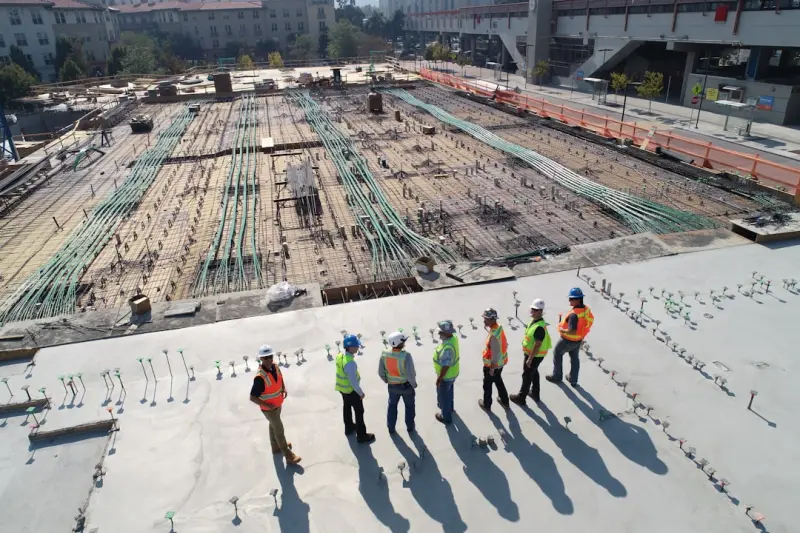
Digital Twins on the Jobsite: Turning Data into Construction Gold
A practical guide for general contractors on implementing digital twins, from sensor deployment to r... Read More
Top Posts

Observable Electrical Systems: Turning Data Into Power Efficiency
The post explores the rise of observable electrical systems, detailing how sensor‑driven data, digital twins, and edge AI convert traditional panels into proa...Read More

The Importance of Sustainable Gutter Systems in Home Design
Sustainable gutter systems play a crucial role in eco-friendly home design. Learn about the benefits, materials, and best practices for installation....Read More

The Green Revolution in Plastering: Sustainable Techniques for a Greener Tomorrow
As a seasoned plasterer, I'm excited to share the latest sustainable plastering techniques and materials that are transforming the industry. From eco-friendly m...Read More
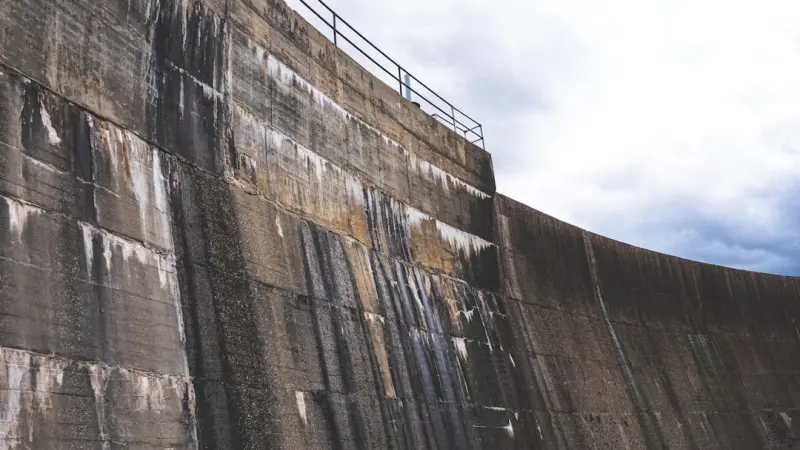
Waterproofing as a Competitive Edge: Protecting Assets and Boosting Bottom Lines
Waterproofing is reframed as a strategic asset that mitigates risk, extends asset life, and improves tenant satisfaction, delivering measurable financial return...Read More
0 Comments
Post Comment
You will need to Login or Register to comment on this post!