
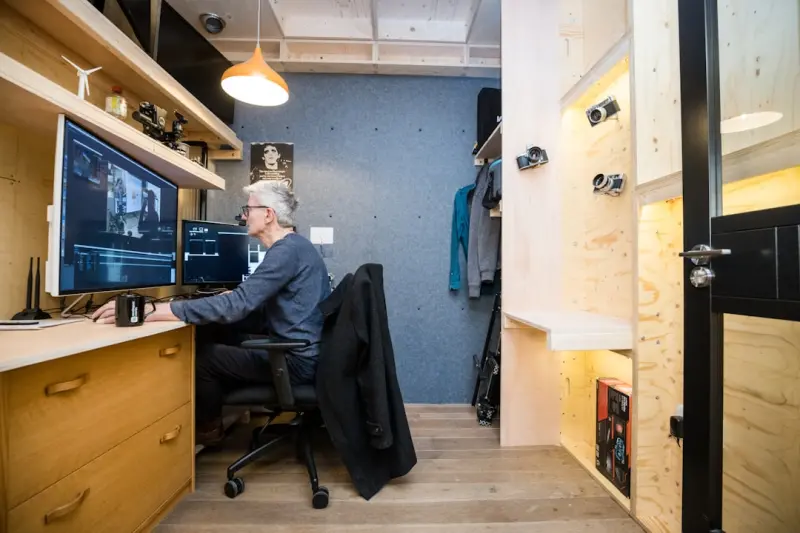
From Static Shelving to Intelligent Storage: Rethinking the Office Closet
When most people think about workplace productivity, they picture open‑plan desks, high‑speed Wi‑Fi, or even a coffee bar that serves espresso on demand. What they rarely consider is the humble closet that sits behind the reception desk or down the hallway. In my ten‑plus years of consulting with facilities managers, I’ve watched closets evolve from afterthoughts to strategic assets. The shift is subtle but powerful: we’re moving from static shelving to intelligent storage ecosystems that talk to building management systems, adapt to seasonal inventory swings, and even improve employee well‑being.
Why Closet Design Deserves a Seat at the Executive Table
Every office has a hidden inventory—spare laptops, promotional swag, cleaning supplies, and that mystery box of cables nobody can locate. Mismanaged storage leads to wasted time, duplicated purchases, and a perpetual “where did I put that?” frustration that drags down morale. By treating the closet as a data point rather than a dust‑collector, you gain three immediate benefits:
- Time Savings: Employees spend less time hunting for items, freeing them for higher‑value work.
- Cost Control: Real‑time inventory visibility reduces over‑ordering and eliminates the “just in case” safety stock habit.
- Health & Safety: Properly organized storage mitigates trip hazards and complies with occupational safety standards.
These gains might sound modest, but multiplied across a mid‑size firm with dozens of closets, they translate into measurable bottom‑line improvements.
The Anatomy of an Adaptive Closet System
At its core, an adaptive closet blends three layers:
- Modular Hardware: Adjustable rails, pull‑out bins, and interchangeable panels that can be reconfigured on the fly.
- Sensor‑Driven Intelligence: Weight sensors, RFID readers, and humidity monitors that feed data into a central dashboard.
- Software Integration: A cloud‑based platform that syncs with your enterprise resource planning (ERP) or facilities management system.
Think of it as the data‑enabled wall systems you’ve seen in cutting‑edge labs, only applied to the back‑of‑house environment. When a bin is emptied, the sensor triggers an alert in the facilities app, prompting a reorder before the stock hits zero. If humidity spikes—perhaps because the HVAC is struggling—the system flags the closet, preventing moisture‑sensitive assets from deteriorating.
Data‑Driven Closet Management: Turning Shelves into Insights
Data collection is only useful if you act on it. Here’s a simple workflow that I’ve helped implement for a regional marketing agency:
- Capture: RFID tags on each promotional item are read when placed on a shelf.
- Analyze: The software aggregates usage trends, highlighting which items are high‑turnover versus static.
- Automate: Low‑stock thresholds trigger purchase orders directly to the preferred vendor.
- Optimize: Quarterly reports surface underutilized assets, prompting a redistribution to other locations.
This loop creates a “living closet” that continuously refines its own organization. It’s the same principle behind the data‑driven roofing insights that turn a passive protective layer into an active performance metric, except the focus shifts from energy efficiency to inventory efficiency.
Sustainability Meets Storage: Choosing Materials That Do More
Beyond intelligence, the choice of materials plays a pivotal role in a closet’s environmental footprint. Traditional particleboard often contains formaldehyde‑based adhesives, which can off‑gas over time—an issue for indoor air quality. I recommend these greener alternatives:
- Bamboo Composite Panels: Fast‑growing, renewable, and naturally antimicrobial.
- Recycled Aluminum Frames: Lightweight, strong, and fully recyclable at end‑of‑life.
- Low‑VOC Finishes: Water‑based coatings that meet strict VOC thresholds.
When you pair sustainable hardware with intelligent sensors, you create a double‑win: reduced carbon impact and a measurable reduction in waste through better inventory control. In one pilot, a design firm cut its spare‑material waste by 27% after swapping to bamboo shelves equipped with weight sensors that warned staff when bins were approaching capacity.
Human‑Centric Design: The Psychology of a Well‑Organized Closet
Psychology research shows that visual clutter can increase stress levels and reduce cognitive performance. A tidy closet, especially one that visibly signals what’s in stock, can alleviate that subconscious burden. Here are three design cues that make a closet feel “right”:
- Transparent Fronts: Clear acrylic doors let users see contents at a glance, reducing the need to rummage.
- Color‑Coded Zones: Assign colors to categories (e.g., blue for tech, green for cleaning) to create instant visual cues.
- Feedback Lights: Small LED strips that change hue when inventory reaches a low‑stock threshold, acting as a gentle reminder.
These subtle touches echo the principles behind adaptive window solutions that adjust illumination based on occupancy. Both are about the environment responding to the human, not the other way around.
Implementation Roadmap: From Pilot to Full Roll‑Out
Adopting an intelligent closet system can feel daunting, but breaking it into phases keeps risk low and ROI visible:
Phase 1 – Audit & Baseline
Conduct a quick inventory audit of existing closets. Note the square footage, current storage hardware, and typical items stored. Capture baseline metrics such as average time spent locating items and current stock‑out incidents.
Phase 2 – Pilot Installation
Select a high‑traffic closet—perhaps the one used by the IT department. Install modular shelving, a couple of weight sensors, and integrate the data feed into your facilities app. Run the pilot for 8‑12 weeks, gathering data on retrieval times and reorder frequency.
Phase 3 – Data Review & Optimization
Analyze the pilot data. Identify bottlenecks (e.g., a bin that fills too quickly) and adjust hardware accordingly. Use the software’s reporting tools to demonstrate cost savings to leadership.
Phase 4 – Scale & Standardize
Roll out the refined system to additional closets, applying a standardized hardware kit and configuration template. Train staff on the new workflow and embed the process into onboarding materials.
Phase 5 – Continuous Improvement
Leverage the analytics dashboard to spot trends—seasonal spikes, under‑used space, or sensor drift. Schedule quarterly reviews to keep the system aligned with evolving business needs.
Future Outlook: What’s Next for Intelligent Storage?
The next wave will likely involve predictive analytics. By feeding historical usage data into machine‑learning models, the system could forecast demand for consumables weeks in advance, automatically adjusting reorder points. Imagine a closet that not only knows you’re low on printer toner but also predicts the next bulk order based on upcoming project pipelines.
Another exciting frontier is robotic retrieval. Small autonomous units could glide along rail tracks within the closet, delivering items to a designated pick‑up zone. While still in early stages, the technology mirrors the automation seen in modern fulfillment centers—scaled down for office environments.
Finally, integration with building‑wide wellness platforms will close the loop between space, health, and performance. If a sensor detects elevated humidity, the system could not only alert facilities but also adjust the local dehumidifier, ensuring that sensitive equipment stays dry and the indoor environment remains comfortable for occupants.
Bottom Line: The Closet Is No Longer a Side‑Show
In an era where data drives every decision, it’s only logical to bring storage into that conversation. An intelligent closet offers tangible benefits—time savings, cost control, sustainability, and employee well‑being—all while fitting into the broader digital fabric of the modern office. The technology is mature enough to start small, but the strategic impact can be as large as any major workplace upgrade.
If you’ve been treating closets as afterthoughts, consider this a call to action. Start with a simple audit, pilot an adaptive system, and let the data tell you where the next efficiency gains lie. The future of office storage is not about cramming more into the same space; it’s about making the space work smarter for you.

David MacKinnon is a dynamic freelance writer known for his captivating storytelling and keen insights into the world of technology. With a passion for exploring the intersection of innovation and everyday life, he crafts engaging narratives that not only inform but also inspire his readers.
Related Posts
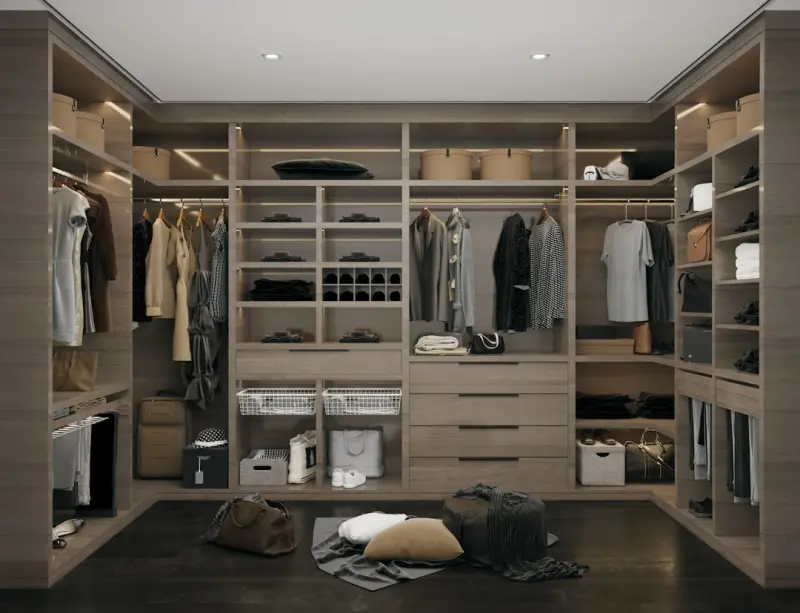
Why Smart Closets Are the Next Productivity Hack for Modern Offices
A deep dive into how smart closets, equipped with sensors and AI, turn ordinary storage into a dataâ... Read More

Reimagining the Closet: Smart, Sustainable Solutions for Modern Living
Explore innovative closet strategies that blend modular systems, smart tech, and sustainable materia... Read More
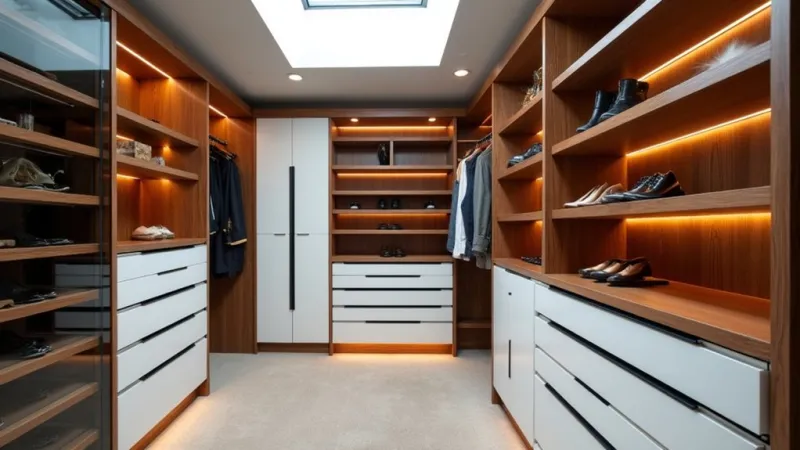
Unlock Your Home's Potential: The Transformative Power of Smart Closets and Storage
Transform your home from cluttered chaos to calm and efficiency with smart closet and storage soluti... Read More
Top Posts
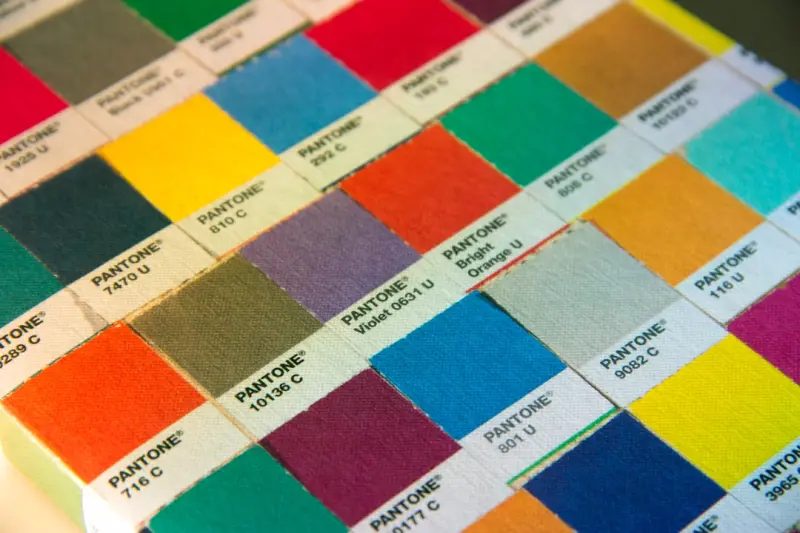
The Color Code: How Modern Paint Choices Can Boost Your Home’s Energy Efficiency and Well‑Being
Explore the science behind paint colors, low‑VOC technologies, and AI‑driven color selection to turn your walls into a low‑cost, high‑impact upgrade tha...Read More

Modular Woodworking: Building Flexibility into Your Shop
A deep dive into modular workbench designs, subtle tech integrations, and sustainable sourcing that empower woodworkers to scale and adapt without sacrificing c...Read More

From Reactive to Revenue: Reimagining Property Maintenance
This post shows how property managers can shift from reactive repairs to a strategic, data‑driven maintenance model that delights tenants, cuts costs, and cre...Read More

Breathing New Life into Historic Woodwork: A Craftsman's Restoration Guide
Discover a step‑by‑step guide to restoring crown molding, trim, and other original wood details, blending timeless craftsmanship with modern durability....Read More
0 Comments
Post Comment
You will need to Login or Register to comment on this post!