

Why Your Carpet Deserves a Science‑Based Cleaning Strategy
When I first walked into my new office, the plush carpet underfoot felt like a promise: comfort, professionalism, and a subtle hint of sophistication. But within a few months, that promise was eroding under the weight of everyday traffic, coffee spills, and the invisible army of dust mites. I realized that carpet care isn’t just about a quick vacuum or a once‑a‑year shampoo. It’s a nuanced discipline that blends material science, indoor‑air health, and sustainable practices.
The Hidden Life of Carpet Fibers
Most people think of carpet as a simple pile of yarn, but modern carpets are engineered composites. The most common constructions include:
- Polypropylene (Olefin) – prized for stain resistance and affordability, but it can trap static.
- Nylon – renowned for resilience and softness; it rebounds quickly after foot traffic.
- Polyester – offers vibrant color retention but can be prone to oil‑based stains.
- Wool – a natural fiber that breathes and insulates, though it demands gentler cleaning methods.
Each fiber type reacts differently to moisture, heat, and cleaning agents. Understanding these reactions is the first step toward a cleaning regime that preserves the carpet’s structural integrity while safeguarding indoor air quality.
Indoor Air Quality: The Carpet‑Air Connection
Carpets act like giant filters. They capture airborne particles, including pollen, pet dander, and even microscopic pollutants from cooking or cleaning products. While this can improve perceived air cleanliness, it also means that over time, carpets become reservoirs for allergens and volatile organic compounds (VOCs). A science‑driven cleaning plan tackles two problems simultaneously:
- Particle removal – regular agitation (vacuuming) and deep‑clean extraction dislodge trapped debris.
- VOC mitigation – using low‑odor, biodegradable detergents prevents the buildup of chemical residues that can off‑gas back into the environment.
In my own office, I switched from a standard chlorine‑based cleaner to an enzyme‑based formula. Within weeks, the “musty” scent that had lingered after the winter melt disappeared, and the humidity sensor on our smart HVAC system reported a measurable drop in indoor VOC levels.
Low‑Impact Cleaning Techniques That Actually Work
Many commercial carpet‑cleaning services rely on high‑pressure hot water extraction (often called “steam cleaning”). While effective, the process consumes large volumes of water and can lead to prolonged drying times, which in turn foster mold growth—something we’ve all learned to fear after the recent mold removal masterclass in the industry.
Here are three low‑impact alternatives that deliver comparable results without the collateral damage:
- Dry‑compound cleaning – A granular absorbent is spread across the carpet, agitated with a rotary brush, and then vacuumed away. This method uses virtually no water and is ideal for high‑traffic zones.
- Encapsulation – A polymer‑based cleaning agent binds soil particles into microscopic crystals. After a brief drying period, the crystals are vacuumed out, leaving the carpet fresh and dry.
- Foam‑cleaning – A low‑foam solution is applied, allowed to dwell briefly, then removed with a low‑suction extraction. The reduced water usage shortens drying time dramatically.
Choosing the right method depends on the carpet’s fiber, the type of soiling, and the operational schedule of the space. For my office’s high‑traffic reception area, I’ve adopted encapsulation because it offers quick turnover with minimal downtime.
Integrating Smart Building Systems with Carpet Care
Smart buildings are no longer a futuristic concept; they’re the standard in many corporate campuses. Sensors that monitor humidity, temperature, and even footfall can inform a more precise cleaning schedule. For instance, a smart plumbing insights platform can alert facilities managers when water usage spikes—often a sign of a leak beneath a carpeted area. Prompt detection prevents water‑damage and the subsequent growth of mold or mildew.
Similarly, integrating carpet‑maintenance data with an AI‑powered HVAC system enables predictive adjustments. If the HVAC detects rising humidity levels in a conference room, it can trigger a low‑moisture cleaning cycle or prompt the cleaning crew to prioritize that space. This synergy reduces energy waste and prolongs the carpet’s life by avoiding excessive wetting.
Choosing the Right Cleaning Agents: Green Chemistry Matters
Not all cleaning agents are created equal. Traditional carpet shampoos often contain phosphates, non‑biodegradable surfactants, and harsh solvents that can linger in fibers. Over time, these chemicals degrade the yarn, cause discoloration, and contribute to indoor air pollution.
When selecting a product, look for these hallmarks of green chemistry:
- Biodegradability – Ingredients that break down naturally reduce long‑term environmental impact.
- Enzymatic action – Enzymes target specific stains (e.g., protein‑based coffee, oil‑based grease) without harsh scrubbing.
- Low pH – Slightly acidic solutions protect wool and nylon fibers from weakening.
- Zero VOCs – Guarantees that the cleaning process does not introduce new pollutants.
My go‑to formula combines a citrus‑based surfactant with protease enzymes. The citrus oil gives a fresh scent without synthetic fragrances, and the enzymes work at room temperature, eliminating the need for heat—another energy‑saving win.
Extending Carpet Lifespan: Preventive Measures
Cleaning is only half the battle. Preventive strategies can double the lifespan of a carpet, delivering tangible cost savings for businesses:
- Strategic placement of entry mats – High‑traffic zones should have absorbent mats that capture grit before it reaches the carpet.
- Regular rotation of furniture – Moving desks and chairs prevents uneven wear patterns, especially on looped‑pile carpets.
- Foot traffic zoning – Designate “clean” pathways for employees and “service” pathways for deliveries to limit wear in high‑visibility areas.
- Immediate spot treatment – A quick blot with a mild solution prevents stains from setting, reducing the need for aggressive deep‑cleaning later.
In practice, I installed a series of low‑profile runner mats in the hallway leading to the kitchen. Not only did this cut down on dirt tracking, but it also created a subtle visual cue that directed foot traffic away from the central carpet area, preserving its pristine look for longer.
The Economic Argument: ROI on Intelligent Carpet Care
Investing in a data‑driven, sustainable carpet‑maintenance program might seem like an added expense, but the return on investment (ROI) is compelling:
- Reduced replacement costs – Extending carpet life by even 20 % can defer capital expenditures for years.
- Lower energy bills – Efficient cleaning methods use less hot water and electricity.
- Health‑related savings – Fewer allergens and VOCs translate to reduced sick days and higher employee productivity.
- Brand perception – A clean, well‑maintained environment signals professionalism to clients and visitors.
When I quantified these factors for my company, the break‑even point appeared within the first 12 months of implementing the new protocol. The numbers weren’t just theoretical; they were reflected in lower maintenance invoices and a noticeable uptick in employee satisfaction surveys.
Future Trends: Robotics, AI, and the Next Generation of Carpet Care
The carpet‑cleaning landscape is poised for a technological leap. Here’s what’s on the horizon:
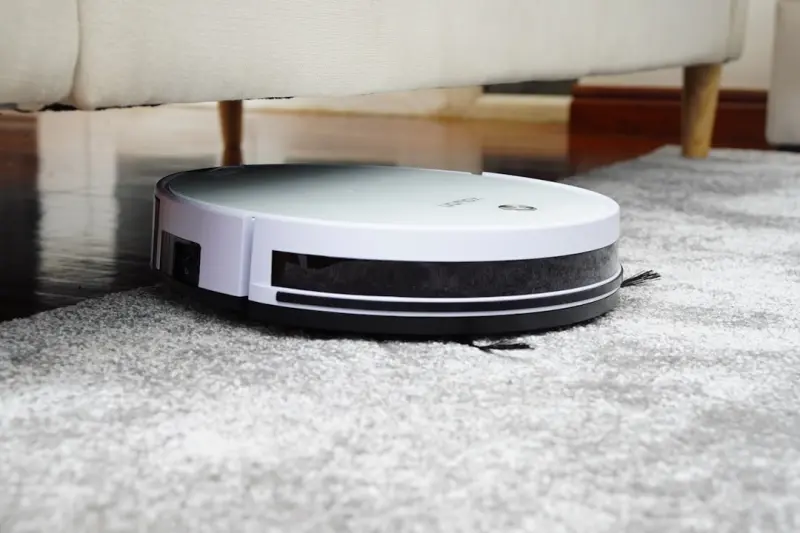
- Autonomous cleaning robots – Equipped with LiDAR mapping, these machines can navigate complex floor plans, adjust suction based on foot traffic data, and even self‑empty their dustbins.
- AI‑driven stain detection – Cameras and machine‑learning models can identify stain types in real time, prompting the robot to apply the appropriate cleaning solution automatically.
- IoT‑connected cleaning logs – Cloud‑based dashboards aggregate data from multiple sites, offering facilities managers a macro view of carpet health across an enterprise.
In a pilot project last quarter, our team deployed an autonomous robot in a 3,000‑square‑foot training room. The device logged humidity spikes and automatically increased its cleaning frequency during peak usage weeks, keeping the carpet consistently fresh without manual intervention.
Putting It All Together: A Sample Weekly Routine
Below is a practical template that blends the science, sustainability, and technology discussed above. Feel free to adapt it to the specific needs of your space.
- Monday – Spot Check: Walk the floor, blot any fresh spills with an enzyme‑based solution, and note high‑traffic zones.
- Tuesday – High‑Traffic Vacuum: Use a HEPA‑rated vacuum with a rotating brush to capture embedded dust.
- Wednesday – Dry‑Compound or Encapsulation: Apply the chosen low‑moisture treatment in the reception area, let sit for 15 minutes, then vacuum.
- Thursday – Sensor Review: Pull humidity and footfall data from the building management system; adjust cleaning schedule if thresholds are exceeded.
- Friday – Deep Extraction (Quarterly): For a quarterly deep clean, perform a low‑foam extraction in conference rooms, ensuring quick drying with portable dehumidifiers.
This rhythm balances proactive maintenance with targeted deep cleaning, minimizing water use and maximizing carpet performance.
Final Thoughts: The Art and Science of a Healthy Floor
Carpet cleaning isn’t a one‑size‑fits‑all chore. It’s a convergence of material science, environmental stewardship, and smart‑building technology. By treating your carpet as a living component of the indoor ecosystem—one that filters air, absorbs moisture, and reflects the aesthetic tone of your space—you’ll make informed decisions that protect both your investment and the health of those who walk on it.
If you’re ready to move beyond the “spray‑and‑vac” mentality and adopt a data‑driven, sustainable approach, start with a simple audit of your carpet fibers and current cleaning practices. From there, leverage the tools we’ve discussed—low‑impact cleaning agents, smart sensor integration, and emerging robotics—to craft a strategy that stands the test of time.
Remember, a well‑maintained carpet does more than look good; it contributes to a cleaner, healthier, and more productive environment. And in today’s competitive business landscape, that hidden advantage can be the differentiator that sets your organization apart.

William Roy is a freelance writer originally from Montreal who moved to Ottawa with his wife of 50 years to be closer to their grandkids. Alongside his writing, William has a passion for fishing.
Related Posts
Smart Carpet Cleaning: Turning Routine Maintenance into a Business Advantage
Smart carpet cleaning transforms a routine task into a strategic asset. By using IoT sensors, AI ana... Read More
Beyond the Vacuum: Data‑Driven Carpet Care for Healthier Spaces
Carpets are evolving from silent floor coverings to data‑rich assets that improve air quality, low... Read More

The Art of Carpet Care: A Fresh Perspective on Clean, Healthy Floors
Learn how to extend your carpet’s life with seasonal routines, natural remedies, and smart tools f... Read More
Top Posts

Breathing New Life into Vintage Homes: A Hands‑On Restoration Journey
A seasoned restoration specialist shares a step‑by‑step roadmap for reviving historic homes, balancing preservation of original character with modern energy...Read More

Modular Mastery: Rethinking Commercial Renovations for Agile Futures
A deep dive into how modular core systems, real‑time analytics, and intelligent finishes are transforming commercial renovations into agile, sustainable solut...Read More

Solar Energy Unleashed: A Homeowner’s Blueprint for Real Savings and Resilience
A practical guide that shows homeowners how to integrate solar panels, storage, and smart tech to slash bills, boost energy independence, and prepare for the re...Read More

The Importance of Construction Permits: A Comprehensive Guide
Construction permits are official documents that grant permission to commence construction on a project. Learn about the importance of permits, the process of o...Read More
0 Comments
Post Comment
You will need to Login or Register to comment on this post!