

Reimagining the Deck: From Static Platform to Adaptive Outdoor Stage
When I first stepped onto a newly built deck for a client in the Pacific Northwest, I expected the usual—solid lumber, a few railings, maybe a built‑in bench. What I found instead was a space that felt alive, shifting with the weather, the time of day, and the rhythm of the people who gathered there. It was a reminder that a deck doesn’t have to be a static slab of wood; it can be an adaptive outdoor stage that supports everything from quiet sunrise coffee to an impromptu weekend concert.
Why Decks Deserve a Fresh Narrative
Decks have traditionally been treated as afterthoughts in the home‑building process, tacked onto the back of a house after the interior is finished. This “add‑on” mindset limits potential and often results in a space that feels disconnected from the rest of the home’s aesthetic and function. In my experience, the most memorable decks are those that are designed first—treated as an integral room with its own personality, circulation, and purpose.
That shift in thinking aligns with a broader trend: homeowners are demanding experiences, not just structures. The deck, positioned at the interface of indoor comfort and outdoor freedom, is uniquely poised to become a canvas for this experiential design.
The Core Pillars of an Adaptive Deck
- Climate‑Responsive Materials – Think decking boards that expand and contract without warping, or composite surfaces that stay cool under summer sun and retain warmth in cooler months.
- Reconfigurable Furnishings – Pieces that can be moved, folded, or stacked to transform the space from a lounge area to a dining zone in minutes.
- Ambient Light Play – Layered lighting that reacts to dusk, moonrise, or a gathering’s energy level.
- Acoustic Zones – Soft surfaces and strategic placement of sound‑absorbing panels to create pockets of quiet or amplified musical moments.
- Seamless Indoor‑Outdoor Flow – Large pivot doors, retractable screens, or bi‑fold systems that dissolve the boundary between kitchen and deck.
Choosing Materials That Grow With the Seasons
The first decision point is the decking surface itself. Traditional pressure‑treated lumber is still popular because of cost, but it requires regular sealing and can become slick when wet. Modern alternatives—high‑density polymers, sustainably sourced hardwoods, and hybrid composites—offer durability and a tactile quality that ages gracefully.
One standout option is temperature‑responsive composite decking. Engineers have infused the material with phase‑change microcapsules that absorb excess heat during a hot afternoon and release it slowly as the evening cools. The result? A surface that feels pleasant under bare feet, no matter the season. It’s a subtle technology that doesn’t shout “high‑tech” but delivers a tangible comfort upgrade.
Designing for Movement: Furniture That Morphs
When I think about reconfigurable furniture, I picture a set of low‑profile, weather‑proof lounge modules that slot together like building blocks. In the morning, three of them line a side of the deck for a relaxed reading nook. By midday, they’re rearranged around a central fire pit for a family lunch. In the evening, the same pieces become part of a “stage” for a small acoustic performance.
The key is to avoid the term “modular,” which has become a buzzword in other home‑improvement contexts. Instead, I prefer “reconfigurable.” Each element is designed with integrated anchor points that lock into the deck’s substructure, ensuring stability while allowing swift changes.
Layered Light That Responds to the Moment
Lighting is where the deck truly transforms from a simple platform to a dynamic environment. A layered approach works best:
- Base Lighting – Low‑profile LED strips recessed into the joist gaps provide a gentle wash that outlines the deck’s perimeter without glare.
- Task Lighting – Adjustable spotlights mounted on rail posts illuminate cooking stations or a reading corner.
- Atmospheric Lighting – Pendant fixtures or string lights that can be dimmed or brightened via a simple wall‑mounted control panel.
What makes this system compelling is its contextual awareness. Sensors detect ambient light levels and automatically adjust brightness, ensuring that the deck never feels too bright at sunset or too dim at dusk.
Crafting Acoustic Comfort Without Compromising Aesthetics
Many homeowners assume that a deck is an open, echo‑prone space where sound simply dissipates. In reality, thoughtful acoustic design can turn the deck into a venue for intimate conversations or even low‑key live music. I start by selecting surface finishes that break up sound waves—like textured wood or perforated metal panels that double as decorative railings.
Strategically placed absorbent cushions and fabric‑wrapped storage benches further reduce reverberation. For those who love a bit of background music, a discreet, weather‑sealed speaker system can be integrated into the deck’s railing, delivering crisp audio without cluttering the visual field.
Seamless Transitions: The Doorway Between Inside and Out
The most successful decks feel like a natural extension of the interior living space. Large pivot doors, floor‑to‑ceiling glass walls, or bi‑fold systems not only provide unobstructed views but also invite airflow and natural light. The challenge is to choose a system that maintains energy efficiency while allowing the deck to function year‑round.
One solution gaining traction is the insulated sliding panel. These panels feature double‑glazed units with a low‑emissivity coating, ensuring that heat loss in cooler months is minimized. When the weather is warm, the panels slide away, creating a fully open environment.
Integrating Technology Without Overwhelming the Experience
Technology on a deck should serve the lifestyle, not dominate it. A single control hub—mounted near the kitchen entrance—lets occupants manage lighting, music, and even the deck’s built‑in heating elements with a few taps. I’ve seen clients appreciate a voice‑activated routine that, for example, dims the lights, lowers the music volume, and activates a subtle misting system on hot days.
These features are optional, but they illustrate how a deck can evolve from a mere structural element into a responsive living zone. For readers looking for concrete examples of integrating technology into home spaces, check out the article on IoT‑enhanced home utilities for inspiration on seamless tech adoption.
Maintenance Strategies That Keep the Deck Fresh
All the design brilliance in the world won’t matter if the deck deteriorates quickly. I always emphasize a maintenance plan that’s simple enough for homeowners to execute, yet thorough enough to protect the investment. Here are my top recommendations:
- Seasonal Inspection – Walk the deck after heavy rain or snow melt to spot any water pooling or loose fasteners.
- Gentle Cleaning – Use a low‑pressure hose and a biodegradable deck cleaner. Avoid harsh chemicals that can degrade composite surfaces.
- Re‑Seal When Needed – Even high‑performance composites benefit from an occasional reseal to maintain their water‑repellent properties.
- Furniture Care – Store reconfigurable seating cushions in a weather‑proof bin during prolonged periods of disuse to prevent mold.
- Technology Checks – Verify that sensors, lighting controls, and speakers are free of moisture and that firmware updates are applied annually.
For a deeper dive into practical home‑maintenance tactics, the handyman hacks guide offers a suite of tips that can be adapted to deck care.
Case Study: A Community‑Centric Deck in an Urban Row House
One of my favorite projects involved a narrow row house in a bustling city block. The client wanted a space where neighbors could gather for weekend brunches, kids could play safely, and the family could unwind after work. We began by widening the deck footprint using cantilevered support beams—allowing the deck to extend beyond the house’s original footprint without compromising structural integrity.
Key interventions included:
- Installing a temperature‑responsive composite surface that stayed cool under the summer sun.
- Choosing reconfigurable, weather‑proof lounge modules that could be stored underneath a sleek, built‑in storage bench when not in use.
- Embedding a layered lighting system that automatically dimmed after sunset and brightened for early morning coffee.
- Integrating a low‑profile acoustic panel system that allowed the deck to host an occasional acoustic guitar performance without overwhelming the street.
The result? A vibrant, adaptable space that has become a neighborhood hub. Residents now host monthly potlucks, and the deck’s design encourages spontaneous social interaction—exactly the kind of community‑building we need more of in dense urban environments.
Future‑Facing Ideas: What’s Next for Deck Design?
Looking ahead, I see three emerging directions that will shape the next wave of deck innovation:
- Bio‑Responsive Surfaces – Deck boards infused with living algae or moss that not only provide a natural aesthetic but also improve air quality.
- Energy‑Harvesting Railings – Incorporating thin‑film solar cells into railing panels to power lighting and small appliances.
- Dynamic Weather Shielding – Retractable canopies that automatically deploy based on rain sensors, creating a covered outdoor room without manual effort.
These concepts may sound futuristic, but many are already in prototype stages. As material science advances and homeowners become more comfortable with integrated technology, the deck will evolve from a static platform into a true living extension of the home.
Conclusion: Your Deck, Your Stage
When you think of a deck, imagine a stage that adapts to every act of daily life—quiet mornings, bustling meals, lively evenings, and tranquil nights. By selecting climate‑responsive materials, embracing reconfigurable furnishings, layering intelligent lighting, and incorporating subtle acoustic solutions, you can transform a simple platform into a dynamic, experiential space. The deck becomes not just an outdoor surface, but a living, breathing part of your home’s story.

Kelly Reynolds is a dynamic freelance writer hailing from the picturesque landscapes of Alberta. A master of the written word, she juggles her passion for storytelling with the exhilarating chaos of being a mother to five spirited children. With an impressive portfolio that spans various genres, Kelly captivates readers through her engaging blog posts and thought-provoking articles.
Related Posts
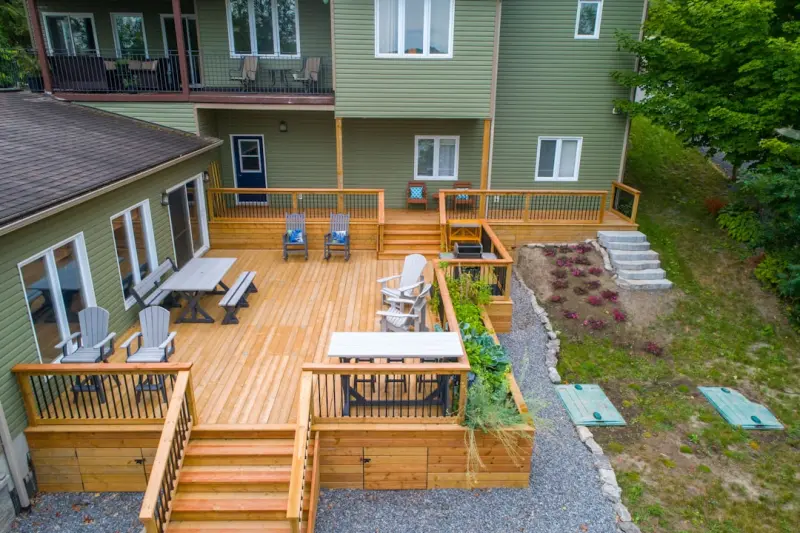
Smart Deck Design: Harnessing Technology, Sustainability, and Flexibility for Modern Outdoor Living
Explore a fresh approach to deck building that blends smart lighting, weather‑responsive features,... Read More
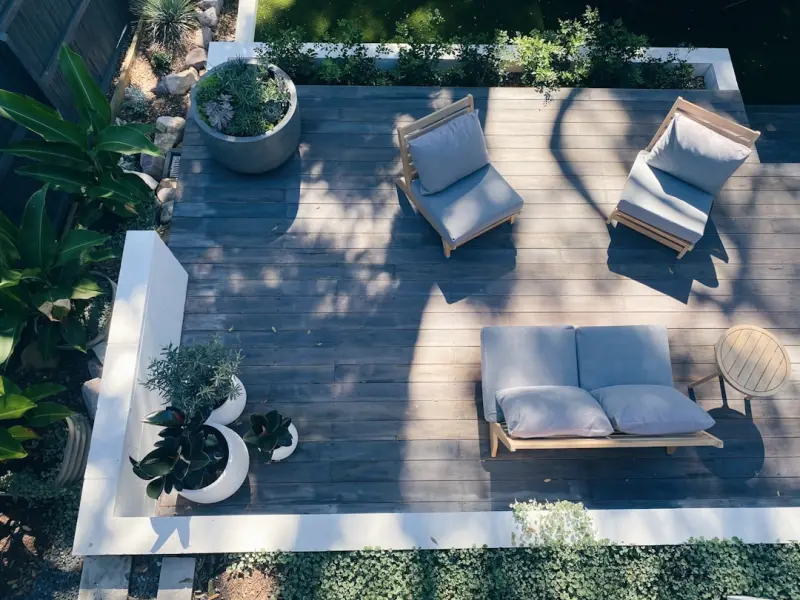
Hybrid Deck Design: Turning Outdoor Platforms into Productive Work‑Life Hubs
Discover how to convert a simple deck into a versatile hybrid workspace that boosts productivity, su... Read More
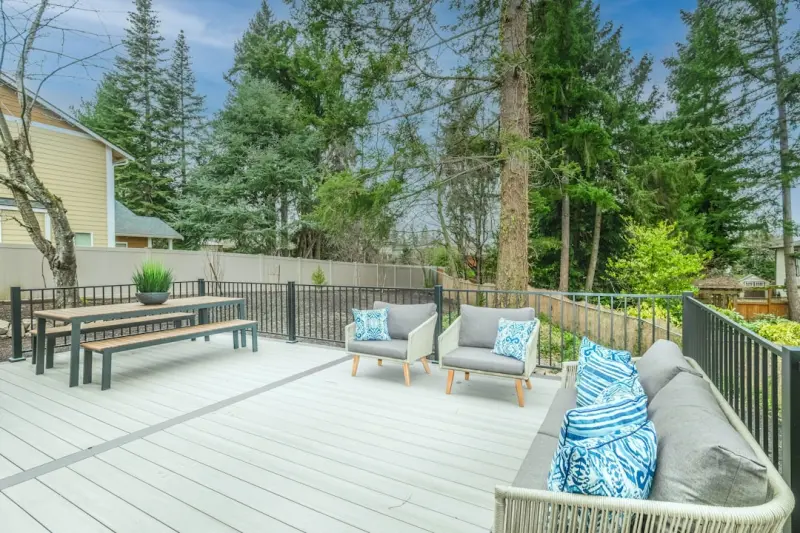
Elevate Your Backyard with a Sustainable, Tech‑Ready Deck
A hands‑on guide to crafting a sustainable, technology‑infused deck that balances style, comfort... Read More
Top Posts

Crafting Timeless Masonry Features for Today’s Homes
Explore the enduring appeal of masonry, from design planning and landscape integration to low‑maintenance strategies that keep brick features beautiful and fu...Read More

The Hidden Power of Adaptive Foundations: From Ground to Growth
Foundations are evolving from static slabs into dynamic, data‑driven platforms. This post explores modular designs, embedded sensors, AI geotechnical modeling...Read More

Reviving Original Wood Floors: A Homeowner’s Guide to Timeless Restoration
A step‑by‑step guide to restoring original wood floors, blending historic preservation with modern techniques for a sustainable, beautiful home....Read More
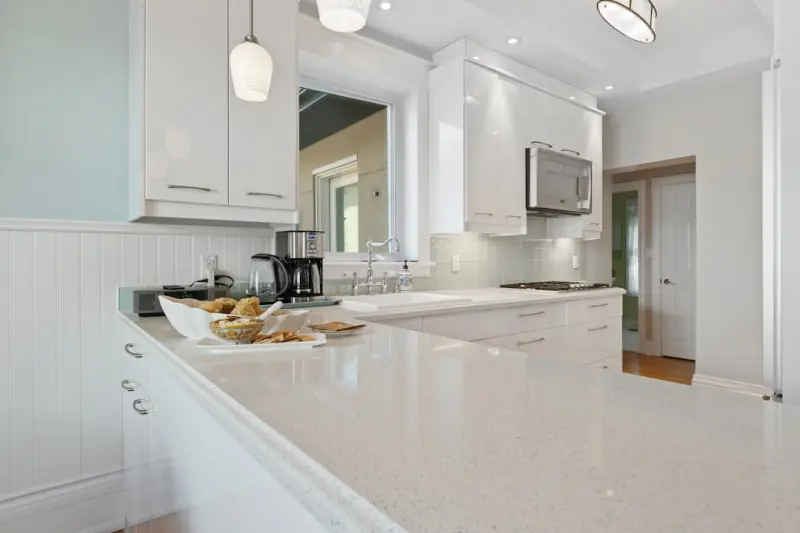
Choosing Countertops That Age Gracefully: A Contractor’s Insider Guide
A contractor’s insider guide to choosing countertops that balance durability, sustainability, and style—ensuring a kitchen that ages gracefully and adds las...Read More
0 Comments
Post Comment
You will need to Login or Register to comment on this post!