

From Grass to Gold: Monetizing Precision Landscaping in Commercial Spaces
When I first stepped onto a sprawling corporate campus and saw the immaculate lawns, I thought, “What if every blade of grass could tell a story?” That moment sparked an obsession with turning the quiet art of landscaping into a data‑rich, revenue‑generating engine. Today, commercial property owners are discovering that the green envelope around their buildings isn’t just aesthetic—it’s a strategic asset that can be optimized, measured, and even sold as a service.
The Hidden Value of the Landscape
Landscapes have traditionally been seen as a cost center: mowing, fertilizing, and seasonal planting are budget line items that rarely deliver measurable ROI. But modern technology is rewriting that narrative. By embedding low‑power soil moisture probes, micro‑weather stations, and edge‑AI cameras into lawns, pathways, and planting beds, property managers can capture a continuous stream of data about water usage, foot traffic, and plant health.
That data becomes the foundation for three distinct revenue streams:
- Operational Savings – Precise irrigation reduces water bills by up to 30 % while maintaining optimal turf health.
- Service Subscriptions – Offer tenants “green‑care” packages that include real‑time health dashboards and proactive maintenance alerts.
- Data Licensing – Sell anonymized foot‑traffic patterns and micro‑climate insights to retailers, event planners, or municipal planners.
Deploying Soil Sensors Without Turning Your Yard Into a Lab
One of the biggest misconceptions is that sensor networks require invasive digging and constant recalibration. In reality, today’s wireless soil probes are the size of a pencil and can be installed with a standard auger. They transmit data over low‑energy LoRaWAN or Bluetooth Mesh networks, meaning you don’t need a new fiber line to get the information you crave.
Here’s a quick rollout checklist:
- Site Survey – Map out high‑traffic zones, irrigation zones, and areas with known drainage issues.
- Sensor Placement – Space probes 15‑20 ft apart for uniform coverage; cluster them near irrigation heads for the most actionable data.
- Connectivity Planning – Use existing Wi‑Fi where possible, or install a dedicated LoRa gateway on the property’s rooftop.
- Data Integration – Connect the sensor feed to a cloud dashboard that can trigger automated valve adjustments or send alerts to the grounds crew.
Drone‑Powered Landscape Audits: The Eye in the Sky
While ground‑based sensors excel at measuring soil moisture, they can’t see the full picture of canopy health, pest infestations, or weed encroachment. This is where drones step in. A weekly drone fly‑over equipped with multispectral cameras can generate NDVI (Normalized Difference Vegetation Index) maps that highlight stress zones before they become visible to the naked eye.
Integrating drone data with ground sensors creates a powerful feedback loop:
- Drone identifies a stressed area → Sensor data confirms low moisture → Automated irrigation adjusts only that zone.
- Early pest detection → Targeted biological treatment → Reduced chemical usage and lower compliance costs.
For property managers skeptical about drone regulations, many municipalities now offer “low‑altitude” permits for commercial landscaping purposes, and the cost per flight has dropped to under $100 for a standard 30‑minute survey.
AI‑Driven Maintenance Scheduling: From Reactive to Predictive
All the data in the world is useless without an engine to turn it into action. Machine‑learning models can analyze historic moisture patterns, weather forecasts, and foot‑traffic spikes to predict exactly when a lawn will need watering, mowing, or aeration. The result? A maintenance calendar that anticipates needs instead of reacting after the fact.
Consider this scenario: A downtown office complex experiences a surge of visitors for a conference. The AI model anticipates higher foot traffic and increased soil compaction, prompting a pre‑emptive aeration and a slight increase in irrigation. The grounds stay lush, the tenants are impressed, and the property avoids costly emergency repairs.
Turning Data Into a Service Offering
Once you have a robust data pipeline, the next logical step is to package that intelligence for tenants and external partners. Here are three service models that have proven effective:
- Tenant Green‑Care Dashboards – Provide each tenant with a personalized portal showing their floor’s surrounding vegetation health, water usage, and carbon sequestration metrics. Tenants can opt into “green‑maintenance” plans that automatically schedule seasonal planting or holiday décor.
- Event‑Ready Landscape Packages – Offer a premium service to event planners that guarantees immaculate grounds, rapid response teams, and real‑time condition reporting during high‑profile gatherings.
- Urban Planning Data Feeds – Aggregate anonymized micro‑climate data and sell it to city planners or research institutions looking to model heat islands, storm‑water runoff, or pedestrian flow.
Case Study: A Corporate Campus That Cut Water Bills in Half
One of my clients, a 200‑acre corporate campus, installed a network of 150 soil moisture sensors and paired them with a drone‑based NDVI monitoring program. Within the first six months, they achieved:
- 48 % reduction in water consumption.
- 15 % decrease in mowing labor hours due to AI‑optimized mowing schedules.
- A new $25,000/month revenue line from selling anonymized foot‑traffic data to a nearby shopping mall.
The key takeaway? When you treat the landscape as a data asset, you unlock savings, new income streams, and a compelling sustainability story that resonates with tenants, investors, and the broader community.
Integrating Landscape Data with Existing Facility Management Systems
Most large enterprises already use CMMS (Computerized Maintenance Management Systems) to track HVAC, lighting, and security assets. Adding a landscaping module is a natural extension. By feeding sensor alerts into the same ticketing workflow, you ensure that the grounds crew receives the same priority notifications as the HVAC team, streamlining response times and improving overall facility performance.
If you’re using a platform that already supports embedded sensors in hardscapes, you’re halfway there. Extending that architecture to softscapes is just a matter of adding a few new data streams and adjusting the analytics dashboards.
Future‑Proofing: The Role of Digital Twins in Outdoor Spaces
While digital twins have been making waves in building design, the same technology is now being applied to the outdoors. By creating a virtual replica of a property’s landscape—including topography, plant species, irrigation infrastructure, and sensor locations—facility managers can run simulations to test the impact of drought, heavy rain, or new construction on green spaces.
Imagine running a scenario where a new parking structure is added. The digital twin instantly shows how runoff patterns will shift, allowing you to pre‑emptively redesign irrigation zones or add bioswales. This proactive approach not only protects the investment in the landscape but also avoids costly retrofits down the line. For a deeper dive on this technology, check out explore digital twins for outdoor spaces.
Overcoming Common Barriers
Adopting a data‑centric landscaping strategy isn’t without challenges. Here are the most frequent hurdles and how to clear them:
- Budget Constraints – Start small with a pilot zone. The ROI from reduced water usage often pays for the sensors within a year.
- Change Management – Involve the grounds crew early. Show them how the dashboard can reduce their workload, not add to it.
- Data Security – Use encrypted LoRaWAN transmissions and limit data access to authorized personnel.
- Regulatory Compliance – Verify that any drone operations comply with local aviation rules; many cities now have dedicated “commercial landscaping” exemptions.
Measuring Success: KPIs That Matter
To convince stakeholders that your investment is paying off, track these key performance indicators:
- Water Savings (% reduction)
- Labor Hours Saved (maintenance crew)
- Revenue from Data Licensing ($/month)
- Tenant Satisfaction Scores (green‑care service)
- Carbon Sequestration Estimates (tonnes CO₂e)
Regularly publish these metrics in a quarterly “Green Report” to demonstrate tangible benefits to investors and tenants alike.
Getting Started: Your First 30‑Day Action Plan
- Identify a Pilot Area – Choose a high‑visibility zone (e.g., the main entrance lawn) where improvements are most noticeable.
- Install Sensors – Deploy soil moisture probes and a weather station; set up a LoRa gateway if needed.
- Launch Drone Survey – Conduct an initial NDVI fly‑over and create a baseline health map.
- Integrate with CMMS – Connect sensor alerts to your existing maintenance ticket system.
- Develop a Dashboard – Use a low‑code platform to visualize moisture levels, irrigation events, and drone‑derived health scores.
- Train the Team – Hold a workshop for grounds staff on interpreting data and responding to alerts.
- Roll Out a Tenant Service – Offer a pilot “green‑care” subscription to a few anchor tenants and collect feedback.
By the end of the first month, you’ll have a functioning data loop that already starts delivering cost savings and a compelling story for your next board meeting.
Conclusion: The Landscape as a Competitive Differentiator
In a world where every square foot of a commercial property is scrutinized for efficiency and ROI, the outdoors is the last frontier ripe for transformation. By leveraging soil sensors, drone analytics, AI‑driven scheduling, and digital twins, you can turn a simple lawn into a high‑performance asset that saves money, generates new revenue, and enhances sustainability credentials.
The next time you walk through a perfectly manicured garden, imagine the invisible network humming beneath each blade, the drones buzzing overhead, and the dashboards lighting up with insights. That’s the future of landscaping—quiet, data‑rich, and undeniably profitable.

Kelly Reynolds is a dynamic freelance writer hailing from the picturesque landscapes of Alberta. A master of the written word, she juggles her passion for storytelling with the exhilarating chaos of being a mother to five spirited children. With an impressive portfolio that spans various genres, Kelly captivates readers through her engaging blog posts and thought-provoking articles.
Related Posts

Designing Climate‑Smart Landscapes: Turning Outdoor Spaces into Energy‑Saving Assets
Discover how integrating shade trees, rain gardens, smart irrigation, and biophilic design can trans... Read More
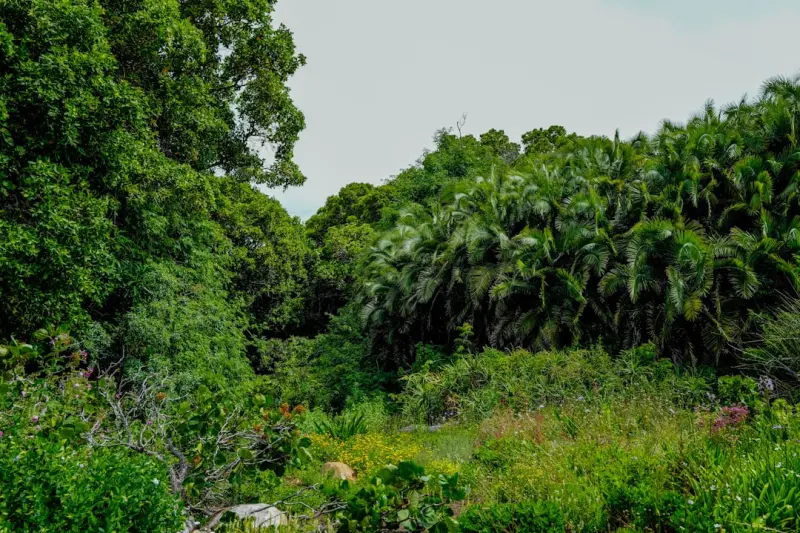
Reimagining Commercial Landscapes: Data‑Driven, Biodiverse, and Resilient
A deep dive into turning ordinary corporate grounds into strategic, eco‑friendly assets using sens... Read More

Cultivating Business Growth with Purpose‑Driven Landscape Design
Discover why thoughtful landscape design is a powerful business asset—enhancing employee wellness,... Read More
Top Posts

The Intersection of Lawn Care and Sustainable Home Design
As a homeowner, maintaining a lush and vibrant lawn can be a point of pride. However, traditional lawn care practices can have a significant impact on the envir...Read More

Prefabricated Modules: A Game‑Changer for General Contractors
Learn why modular construction is reshaping general contracting, from cost savings and faster schedules to improved quality and safety, and get actionable tips ...Read More

Walking on the Future: How Bio‑Based Flooring is Redefining Healthy Spaces
A deep dive into the emerging world of bio‑based flooring—mycelium panels, hemp composites, and reclaimed ocean plastics—showcasing their health benefits,...Read More
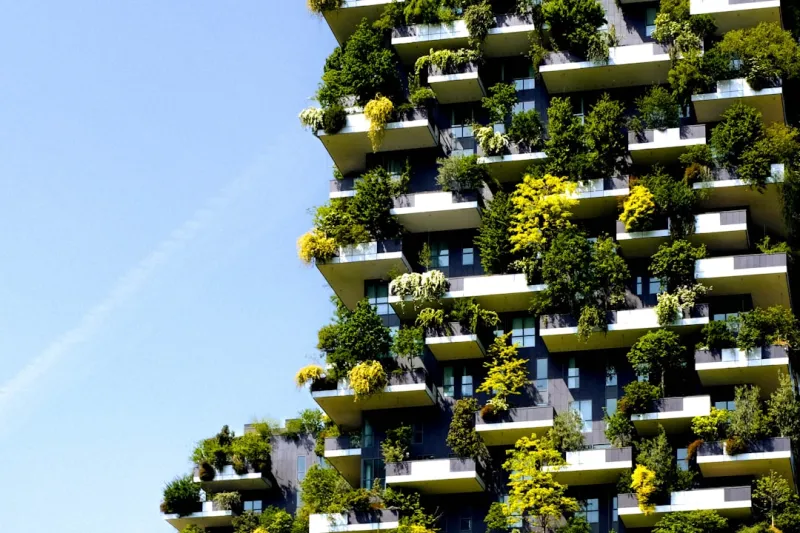
The Evolution of Sustainable Design Build: A Greener Future for Your Home
Sustainable design build is an approach that considers the environmental impact of a building throughout its entire lifecycle. Learn how to create a greener fut...Read More
0 Comments
Post Comment
You will need to Login or Register to comment on this post!