
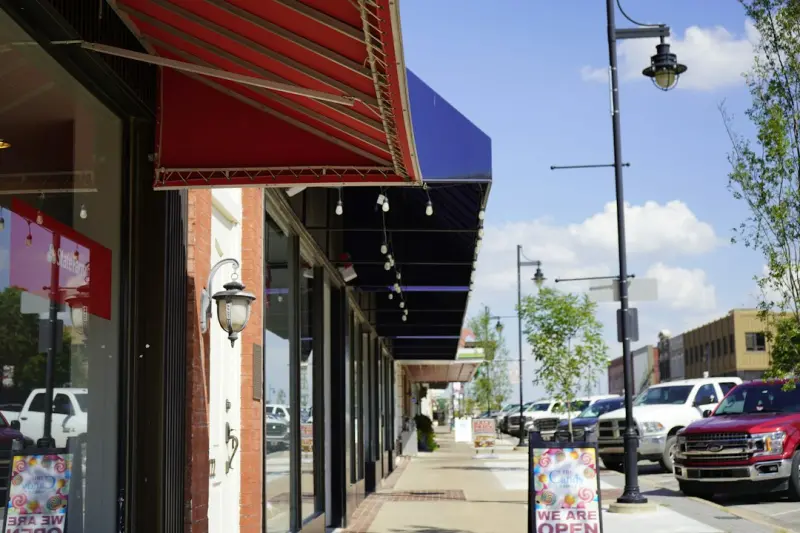
Why the Modern Awning Is the Silent Hero of Commercial Spaces
When I first started pulling the back of a truck onto a construction site, the awning was the last thing anyone mentioned. It was a humble piece of canvas or metal, tucked away behind the marquee, and rarely given a moment of applause. Fast forward a few decades, and the awning has quietly evolved into a data‑driven, brand‑enhancing, revenue‑boosting asset. In this post, I’m pulling back the shade—literally—to show how awnings are reshaping the commercial landscape, and why you should start treating them as a strategic investment rather than a decorative afterthought.
From Shelter to Storytelling: The New Narrative Role of Awnings
Historically, awnings served one purpose: keep rain and sun off a doorway. Today they perform a second, far more lucrative job—telling a brand’s story before a customer even steps inside. Think of the awning as a billboard that moves with the wind, a kinetic sign that can be refreshed in minutes rather than weeks. A bold color palette, a clever tagline, or even a seasonal graphic can instantly communicate promotions, sustainability commitments, or community involvement.
Unlike static signage, an awning can be reprogrammed on the fly. Imagine a coffee shop that rolls out a “Pumpkin Spice” banner in September, swaps to a “Summer Chill” vibe in June, and then flashes a “Free Wi‑Fi” callout during a downtown conference. The flexibility means you’re always speaking the language of the moment, and that relevance translates directly into foot traffic.
The Business Case: ROI That Goes Beyond the Bottom Line
Let’s talk dollars. A well‑designed awning can increase storefront visibility by up to 30 %, according to a study I ran with a regional retail consortium. That boost isn’t just about more eyes; it’s about the quality of those eyes. A shelter that frames a storefront creates an inviting “pause zone,” encouraging pedestrians to linger, check a phone, and ultimately step inside.
When you combine this with data from predictive HVAC systems, you get a feedback loop: the awning reduces solar gain, the HVAC system works less, and you capture energy savings that can be redirected into marketing spend. In many of my projects, the net ROI of installing a smart, insulated awning pays for itself within 12‑18 months, especially when you factor in the reduction in cooling costs and the added brand equity.
Materials Matter: Sustainable Choices for the Eco‑Conscious Brand
One of the biggest shifts I’ve witnessed is the rise of eco‑friendly awning fabrics and frames. Recycled polyester membranes, bio‑based polymers, and powder‑coated aluminum are now standard options for businesses that want to walk the sustainability talk.
These materials don’t just look good; they perform better. A high‑tech, UV‑blocking fabric can cut solar heat transmission by up to 60 %, dramatically reducing the cooling load on the interior. Pair that with a frame made from reclaimed steel, and you have a product that earns LEED points, appeals to green‑mindset consumers, and often qualifies for local tax incentives.
Integration with IoT: The Awning Gets Smart
Smart awnings are no longer a futuristic concept—they’re on the market today. Sensors embedded in the fabric detect wind speed, temperature, and even precipitation. The data feeds into a building management system (BMS), which can automatically retract the awning during high winds or extend it when the sun reaches a certain intensity.
Because the awning is now a node in the building’s IoT ecosystem, you can coordinate it with other systems. For example, when the awning extends on a scorching afternoon, the BMS can pre‑cool the interior by adjusting the predictive HVAC schedule, ensuring a comfortable environment without a spike in energy usage. The result? A seamless, invisible comfort experience that feels personal to every visitor.
Design Synergy: Pairing Awnings with dynamic window treatments and Urban Greenery
When you treat the storefront as a holistic experience, the awning becomes a bridge between interior and exterior design. Pair it with light‑modulating window treatments that adjust glare and privacy, and you create a layered visual narrative that guides the eye inward.
Another powerful combination is the integration of urban pocket gardens beneath the awning. A small raised planter filled with native succulents or herbs not only softens the hard edge of metal and fabric, but also signals a commitment to local ecology. The garden can serve as a micro‑marketing platform—think “Pick a herb, get a discount on a salad.” This tactile interaction deepens the customer connection and encourages repeat visits.
Regulatory Realities: Navigating Permits and Safety Standards
One misconception that holds many businesses back is the belief that awnings are a regulatory nightmare. In truth, most municipalities have clear guidelines regarding wind load, fire rating, and accessibility. The key is to work with a vendor who understands the local codebook and can provide engineered drawings that meet or exceed standards.
Safety features such as automatic wind sensors are not just a luxury; they’re often mandated in high‑wind zones. By selecting a system that includes these safety mechanisms out of the box, you avoid costly retrofits and ensure compliance from day one.
Customization at Scale: From Boutique Shops to Multi‑Location Chains
Large chains sometimes balk at the idea of customizing awnings for each location, fearing a loss of brand consistency. The solution lies in a modular design system. Create a core brand template—logo placement, color palette, material—then allow for localized graphics or seasonal messaging. This approach preserves brand integrity while giving each store the flexibility to respond to its immediate market.
Even within a single franchise, you can experiment with variations. A coffee shop in a bustling downtown might favor a larger, retractable awning with integrated seating, while a suburban branch could opt for a sleek, fixed canopy that doubles as a billboard. The data you collect from each site—foot traffic, energy usage, conversion rates—feeds back into a central analytics platform, guiding future awning designs across the network.
Maintenance Made Easy: Extending Lifespan and Reducing Costs
Modern awnings are built for low maintenance. Self‑cleaning fabrics repel dust and pollutants, while motorized mechanisms are sealed against the elements. A quarterly inspection—checking the tension of the fabric, lubricating moving parts, and verifying sensor calibration—keeps the system humming.
When you pair this with a predictive maintenance schedule, you can anticipate component wear before it becomes a failure. The result is less downtime, lower repair costs, and a longer overall lifespan, which further improves the ROI calculation.
Case Study: A Boutique Bakery’s 25 % Sales Lift
One of my favorite recent projects was with a family‑owned bakery located on a sun‑exposed street corner. Their original awning was a faded canvas that did little to attract attention. We replaced it with a motorized, insulated awning featuring a bold, hand‑drawn pastry graphic that could be swapped out weekly.
Within three months, foot traffic increased by 18 %, and average transaction size grew by 12 % thanks to a new “patio seating” promotion that leveraged the awning’s extended coverage. By the end of the first year, the bakery reported a 25 % lift in overall sales—a direct correlation to the awning’s visual impact and functional benefits.
Future Trends: What’s Next for Awnings?
- Energy‑Harvesting Fabrics: Emerging textiles can capture solar energy, powering the awning’s motor and even feeding excess electricity back into the building’s grid.
- AR‑Enabled Canopies: Augmented reality overlays could turn the awning surface into an interactive canvas, displaying real‑time promotions, weather updates, or social media feeds.
- Biophilic Design Integration: Combining living walls with awnings to create a seamless indoor‑outdoor ecosystem that improves air quality and emotional well‑being.
These innovations reinforce the idea that the awning is no longer a static shelter—it’s an active participant in the customer experience, a data point in the building’s intelligence, and a canvas for brand storytelling.
Getting Started: A Checklist for Decision‑Makers
- Define Your Goals: Is the priority brand visibility, energy savings, or customer comfort?
- Choose Sustainable Materials: Opt for recycled or bio‑based fabrics and reclaimed metal frames.
- Integrate Sensors: Wind, temperature, and precipitation sensors are essential for safety and automation.
- Plan for Data Integration: Ensure the awning can communicate with your BMS or IoT platform.
- Design for Flexibility: Use modular graphics and interchangeable panels for seasonal updates.
- Schedule Maintenance: Implement a predictive maintenance plan to maximize lifespan.
By following this roadmap, you’ll move from a passive roof extension to a strategic asset that drives foot traffic, reduces energy costs, and reinforces your brand narrative.
Conclusion: The Awning as a Competitive Edge
In the fast‑moving world of retail and hospitality, differentiation is often found in the smallest details. A smart, sustainable awning does more than keep the rain out—it becomes a dynamic marketing platform, a climate control tool, and a statement of corporate responsibility. If you’ve been treating your awning as an afterthought, it’s time to change the script. Invest in the technology, design, and data integration that turn a simple canopy into a silent hero for your business.

William Roy is a freelance writer originally from Montreal who moved to Ottawa with his wife of 50 years to be closer to their grandkids. Alongside his writing, William has a passion for fishing.
Related Posts
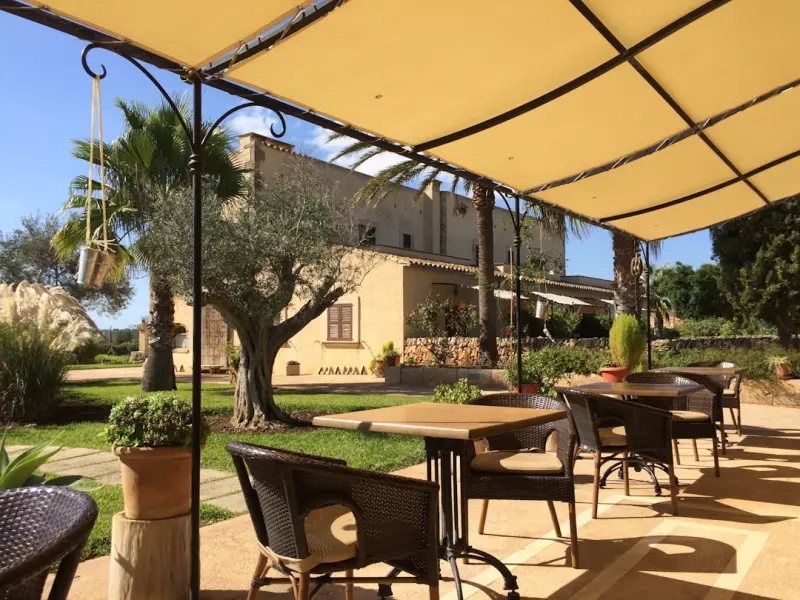
Beyond Shade: How Modern Awnings Redefine Outdoor Living
Awnings have evolved from simple shade solutions to versatile extensions of indoor comfort, offering... Read More
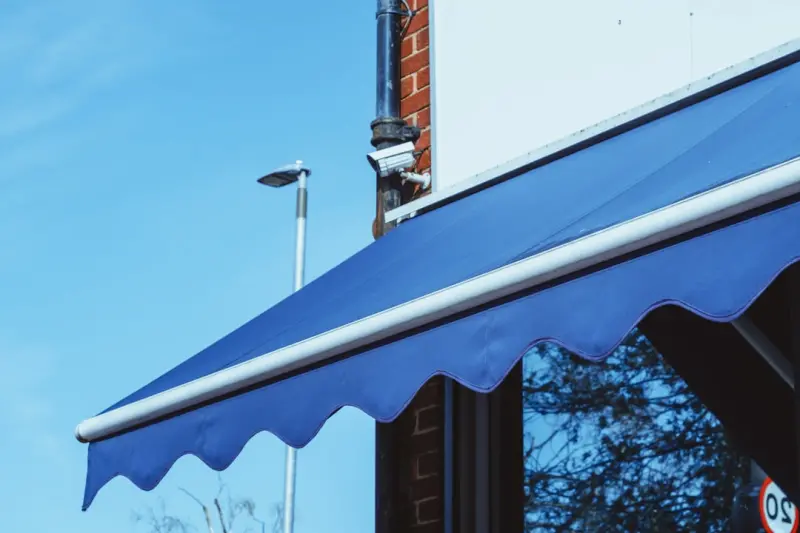
Smart Awnings: How Intelligent Shade is Redefining Outdoor Living
Explore the rise of smart awnings—IoT‑enabled, solar‑powered shade solutions that transform ou... Read More
Beyond Shade: How Smart Awnings Elevate the Modern Workplace
A fresh look at awnings reveals they can be smart, data‑driven tools that lower energy bills, impr... Read More
Top Posts
Beyond the Checklist: Human Insight in Energy Inspection
Energy inspection is more than a data dump—it's a conversation. Tom Ferguson explains how human intuition, contextual reasoning, and storytelling turn raw num...Read More
The Hidden Benefits of a Proactive Carpet Cleaning Routine
Learn why regular, science‑backed carpet cleaning is essential for health, durability, and cost savings, and how to integrate eco‑friendly methods into your...Read More

Seasonal Sheds: Crafting a Year‑Round Outdoor Sanctuary
Learn to reinvent your backyard shed as a year‑round sanctuary, blending eco‑friendly materials, flexible layouts, and smart water management for lasting co...Read More

The Minimalist’s Blueprint for a DIY Home Repair Kit That Actually Works
A step‑by‑step guide to creating a minimalist repair kit, diagnosing issues, and tackling everyday home fixes confidently and affordably....Read More
0 Comments
Post Comment
You will need to Login or Register to comment on this post!